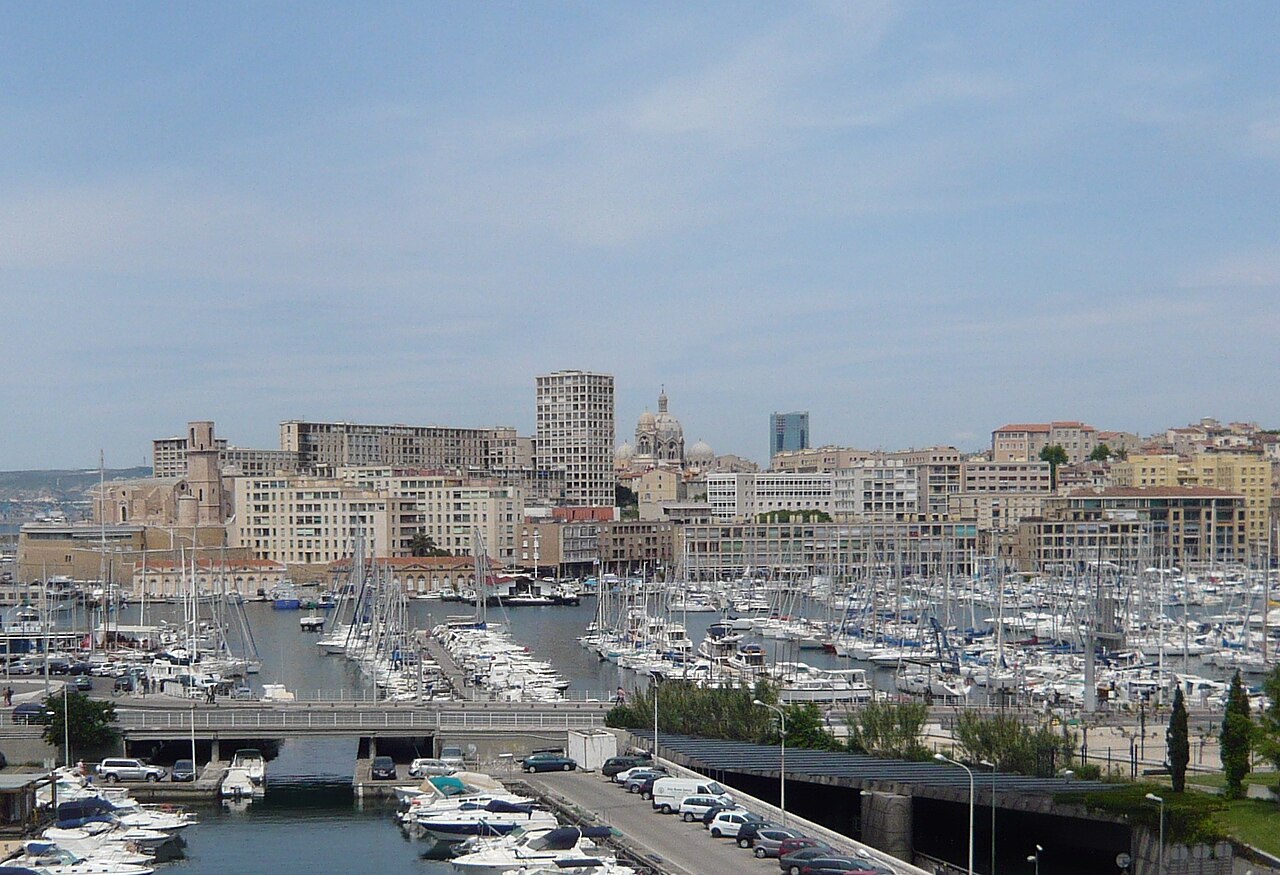
Three days is the ideal length for a first visit to Marseille. It gives you time for the harbour and the old quarter, a boat to the islands, the great views and a proper taste of the coast, without rushing. The plan below follows the geography of the city and takes the closing days into account: the Mucem is closed on Tuesdays, the Château d’If is closed on Mondays, and the Vieille Charité is closed on Mondays too. Weather matters here, because the mistral can cancel boats, so keep the sea days flexible and swap days around if the wind is up.
Day one: the old port, Le Panier and the Mucem
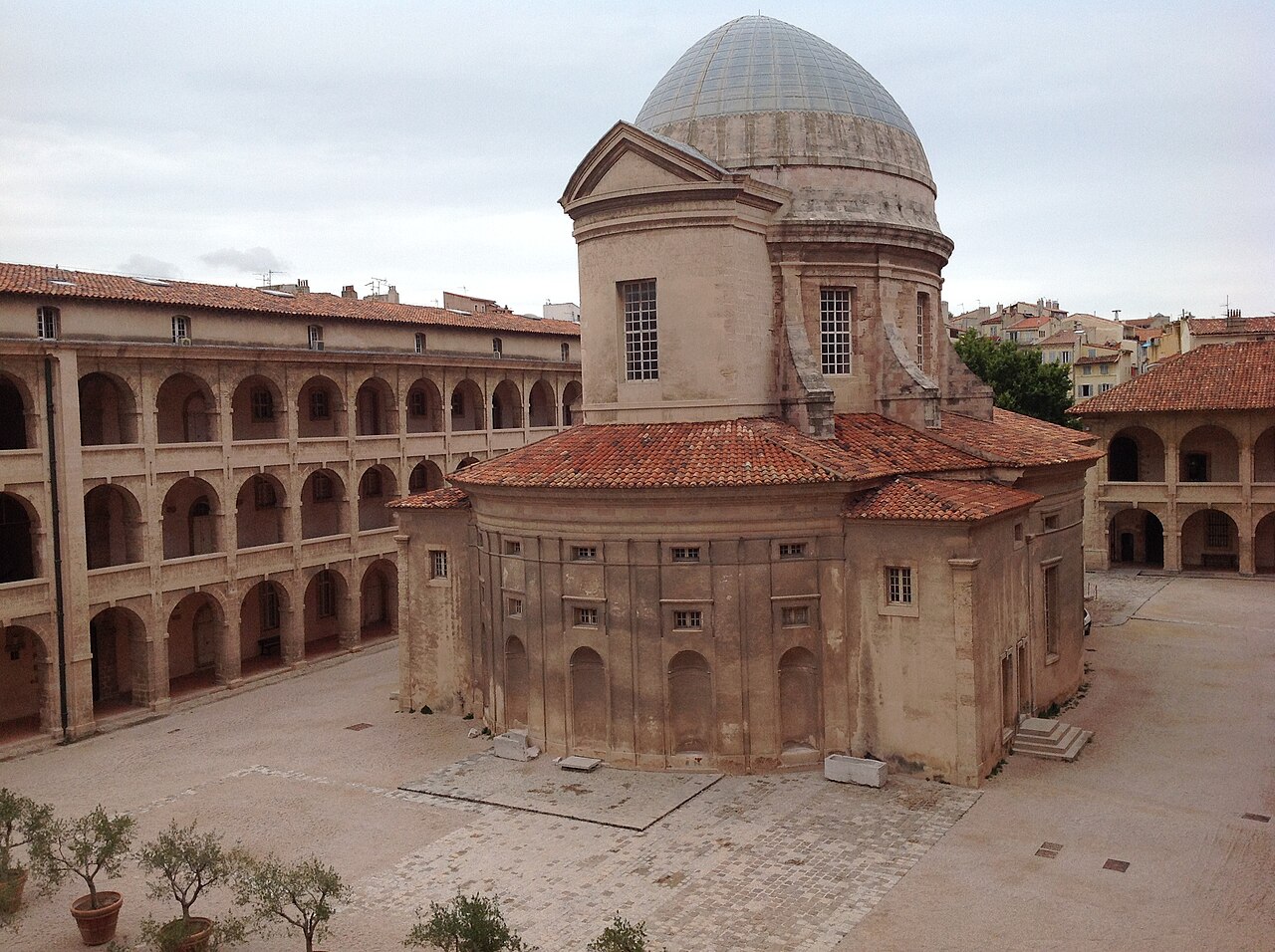
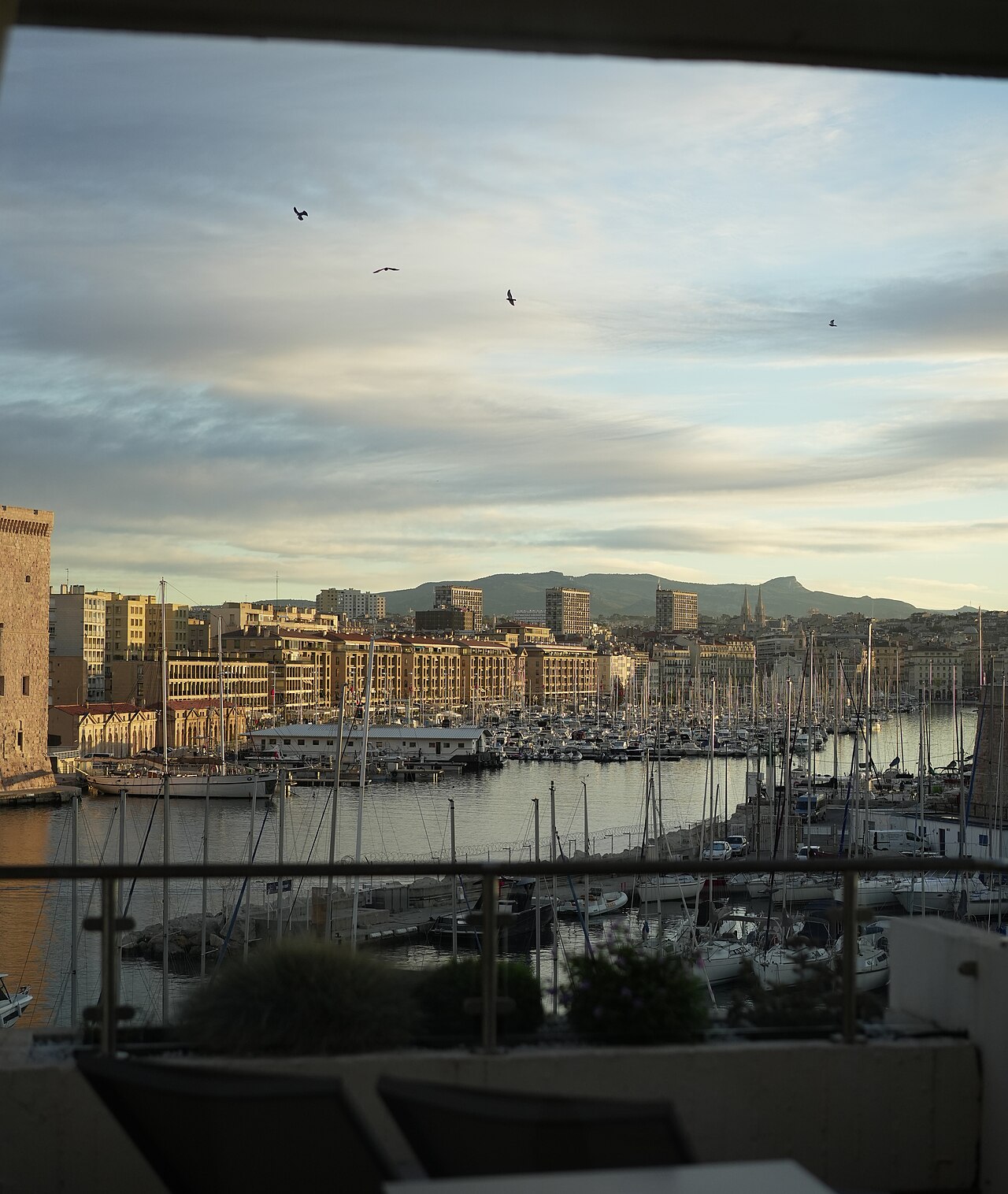
Start early at the Vieux-Port, where the fish market on the Quai des Belges sells the morning catch, and admire the mirrored canopy over the quay. Climb into Le Panier, the oldest quarter of the city, through lanes covered in street art and small squares with cafés. The Vieille Charité sits at the top, with its baroque chapel and arcaded courtyard, and its permanent museum collections are free, so allow an hour here. Drop back down to the waterfront for the Cathédrale de la Major and then the Mucem, whose rooftop terrace and the ramparts of Fort Saint-Jean are free to walk, even if you skip the exhibitions. Because the Vieille Charité closes on Mondays and the Mucem on Tuesdays, this day works best from Wednesday to Sunday; on a Monday or Tuesday, swap the closed site for more time in Le Panier and the waterfront. For the evening, take a harbour-side dinner on the quays and walk back along the water.
Day two: islands, the basilica and the Corniche
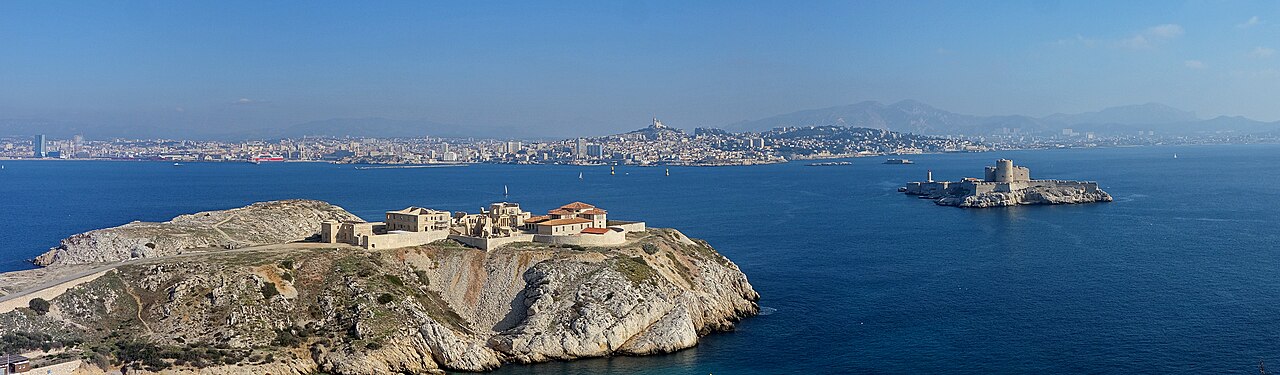
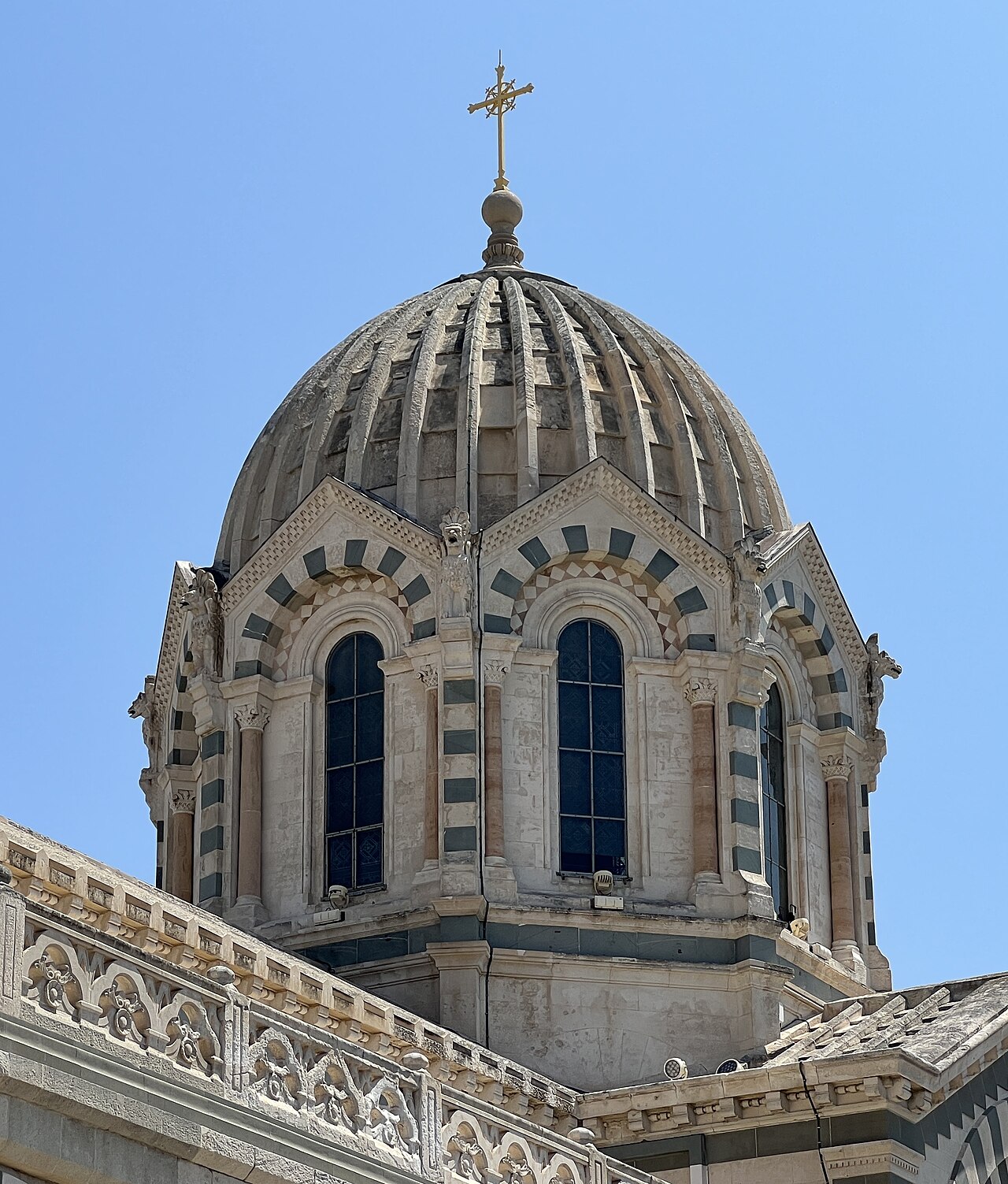
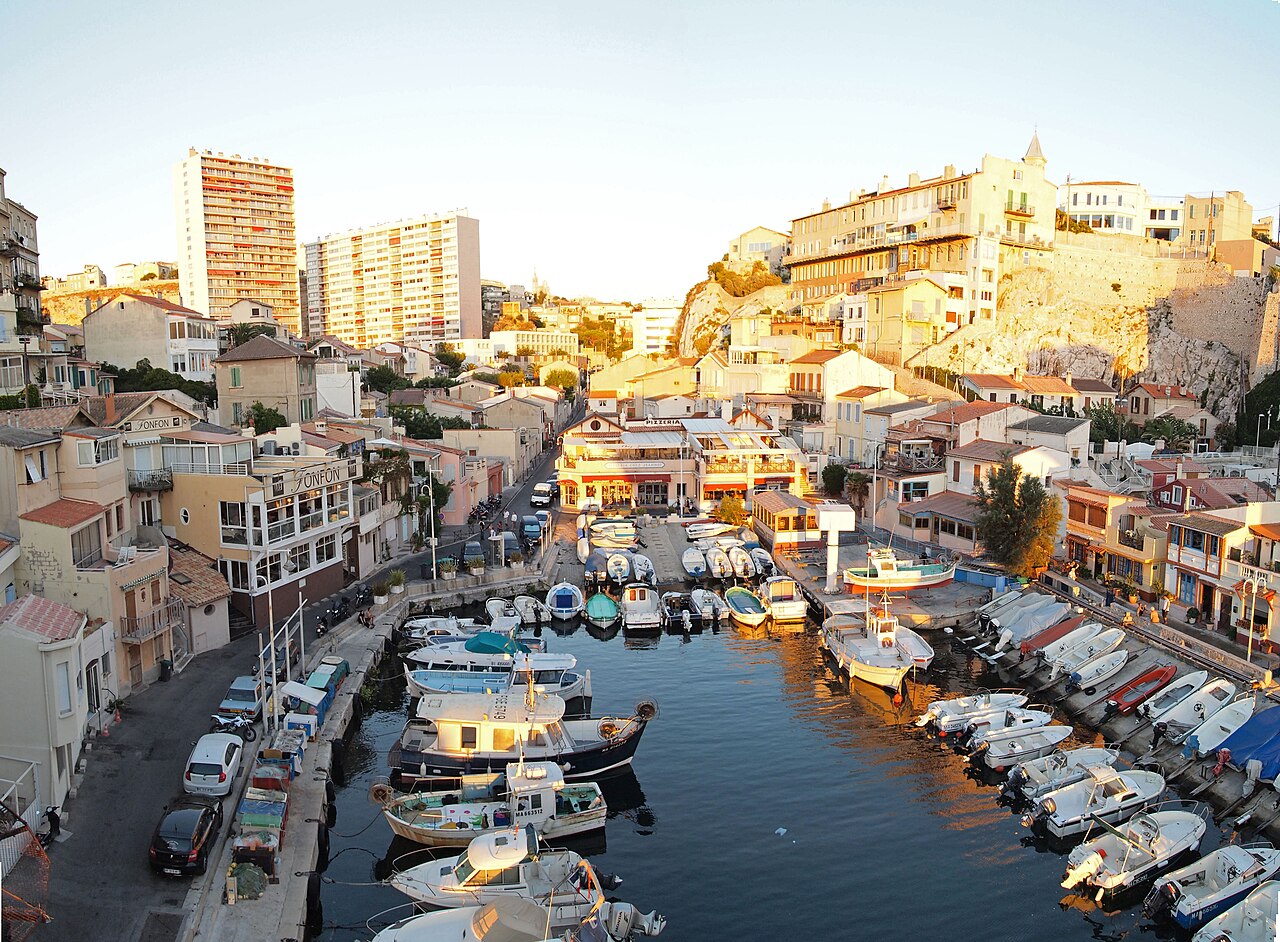
Take an early boat to the Château d’If, the island fortress made famous by The Count of Monte Cristo, and, if the sea is calm, continue to the Frioul islands for a walk and a swim. Return in the early afternoon for lunch, then take bus 60 or the Colorbüs up to Notre-Dame de la Garde, whose terrace gives the best view of the city. Walk down through the quiet streets toward the sea and finish at the Vallon des Auffes, a tiny fishing harbour under a three-arched bridge, where the sunset is superb. Bus 83 connects the Vallon with the Vieux-Port, and the Corniche Kennedy, the coast road, makes a lovely walk if you have energy to spare. Book a table in advance if you want to eat on the harbour, especially in summer.
Day three: the Calanques or Cassis
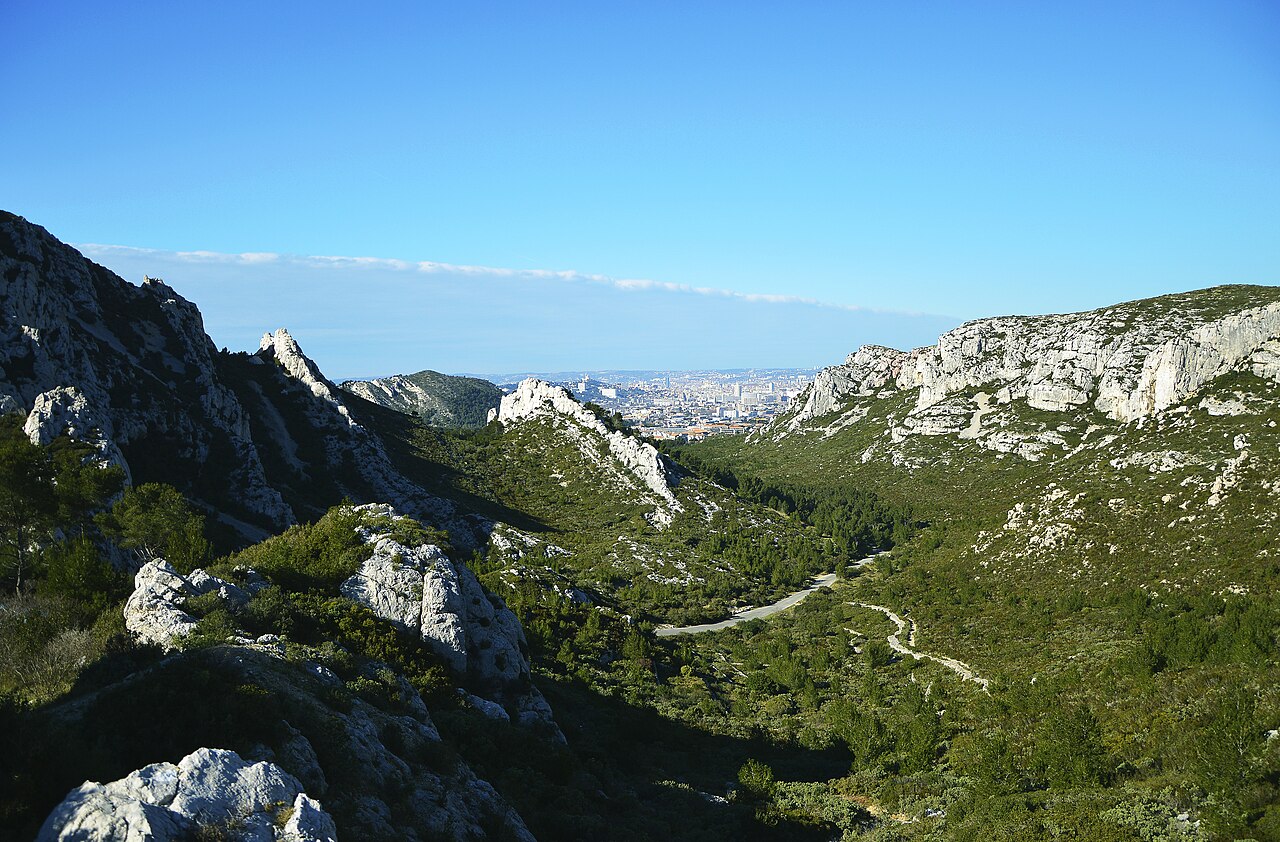
The third day belongs to the coast. If you like walking, head for the Calanques National Park, whose white cliffs and turquoise coves are reachable from the south of the city; check the access rules first, since in summer the massif can close on high fire-risk days. If you prefer to sit back, take a boat tour along the coast with swimming stops, or paddle it by sea kayak. Another option is a day trip to Cassis, a pretty fishing port beneath the Cap Canaille cliffs, by train, by tour or by car along the Route des Crêtes. Whatever you choose, take water, sun protection and swimwear.
Swaps and extras
If you have a rainy day, move indoors to the Mucem, the Cosquer Méditerranée replica cave, whose timed slots sell out in school holidays, or the museums of the Palais Longchamp. Football fans can slot in the Vélodrome stadium tour. If you have a fourth day, spend it in Aix-en-Provence or on a day trip to Avignon and the Pont du Gard.
Getting around
The centre is walkable but hilly. The metro has two lines and there are trams, with the Vieux-Port, Saint-Charles and Joliette stops used most. Buses climb to the basilica and along the Corniche, and shuttle boats cross the harbour and run to the islands. From the airport a shuttle runs to Saint-Charles station.
Where to stay
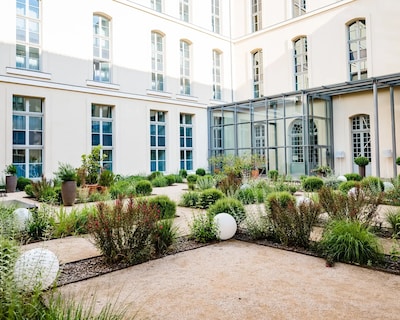
For a three-day trip, a base on or near the Vieux-Port keeps everything within reach. The InterContinental sits above the harbour in Le Panier, the Radisson Blu stands on the Rive Neuve quay near the Abbey of Saint-Victor, and the Sofitel offers a quieter seafront position near the start of the Corniche.
Practical tips
Use euros and carry a little cash for the islands and for markets. Say bonjour when you enter a shop. Keep an eye on your bag in crowds and around the main station, and keep your phone away from open café tables. In summer, start early and rest in the afternoon, when the heat peaks, then go out again in the evening when the city comes alive.