Martinique is a French island with a Creole kitchen, and the result is some of the best eating in the Caribbean. French technique meets African, Indian and Amerindian influences, with fresh fish, root vegetables, hot peppers, lime and cane everywhere. It is also rum country. This guide covers what to order, where to try it and how to build meals and tastings into a day of sightseeing.
Start with the classics
Accras de morue, crisp salt-cod fritters with a spicy dip, are the standard first bite and often arrive with a ti' punch. Boudin créole, a spiced blood sausage, is a regional favourite. Colombo, a mild curry-style stew of chicken, goat or pork, reflects the island's Indian heritage. Fish is usually served grilled, in a court-bouillon with tomatoes and herbs, or in a blaff, a poached dish with lime, garlic and chilli. On the side expect rice and beans, christophine, breadfruit or plantain. Vegetarians may find fewer options, but salads, fritters and vegetable stews are widely available, so ask.
The market and the bakeries
Fort-de-France's covered market is the best single place to see what the island grows and eats. Spices, tropical fruit, rum, chillies, jams and local sweets fill the stalls, and a few euros buys fruit or a pastry for a walking snack. French habits survive in the bakeries, where baguettes and pastries are good value and a croissant with a coffee is a fine start to the day. For something sweet, try coconut tart, coconut sorbet and the fruit ices sold along the beaches.
What to drink
Martinique's signature spirit is rhum agricole, made from fresh sugar cane juice rather than molasses, which gives it a grassy, fruity character. The island's rhum agricole is protected by its own appellation, and you will see white, amber and aged bottles in every shop. The classic serving is the ti' punch: a measure of white rhum agricole, a squeeze of lime and a spoonful of cane syrup, stirred rather than shaken. Rum punches flavoured with fruit and spices, known as rhums arrangés, are the other local speciality. The local beer, tropical juices and coconut water are good soft options.
Where to taste rum
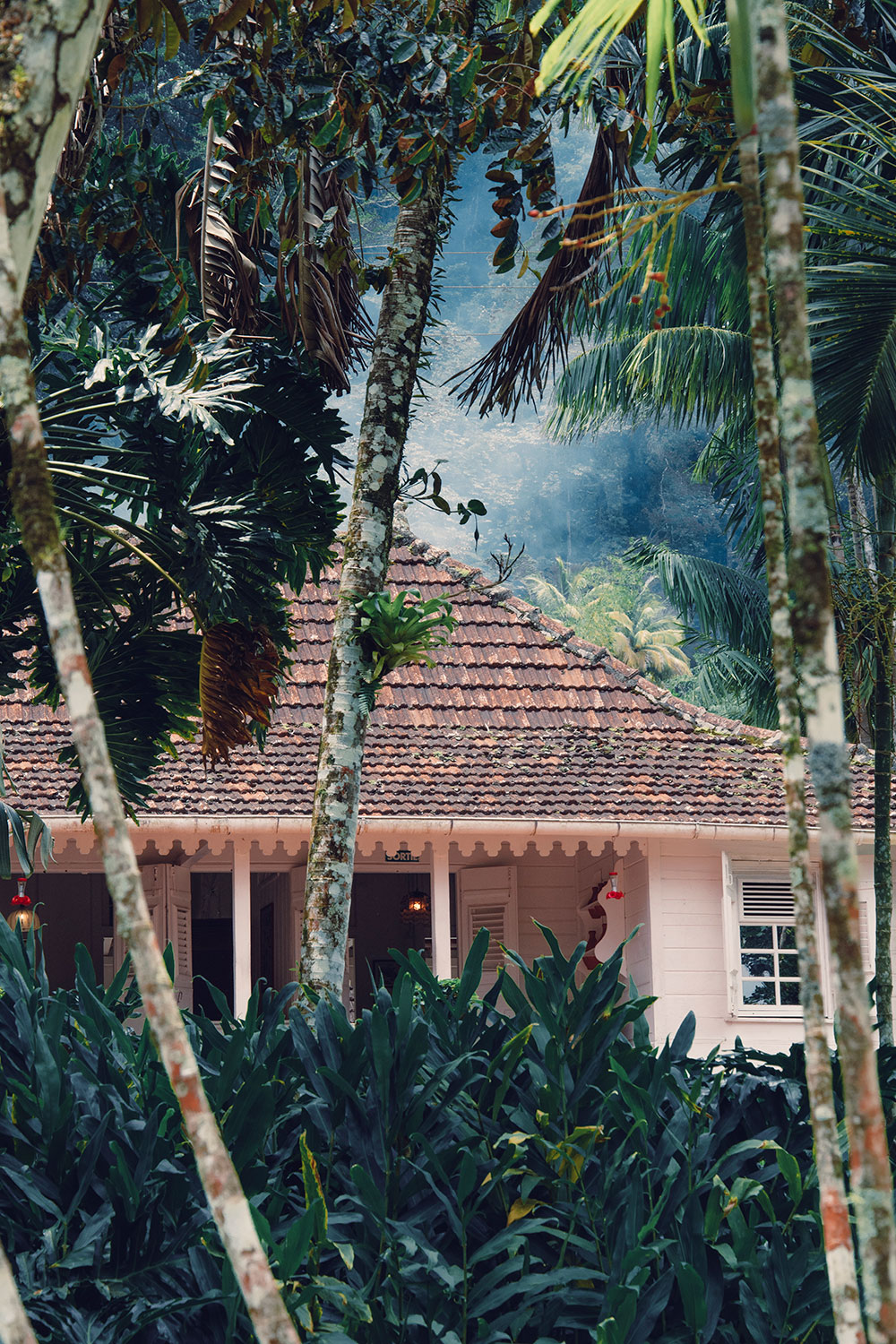
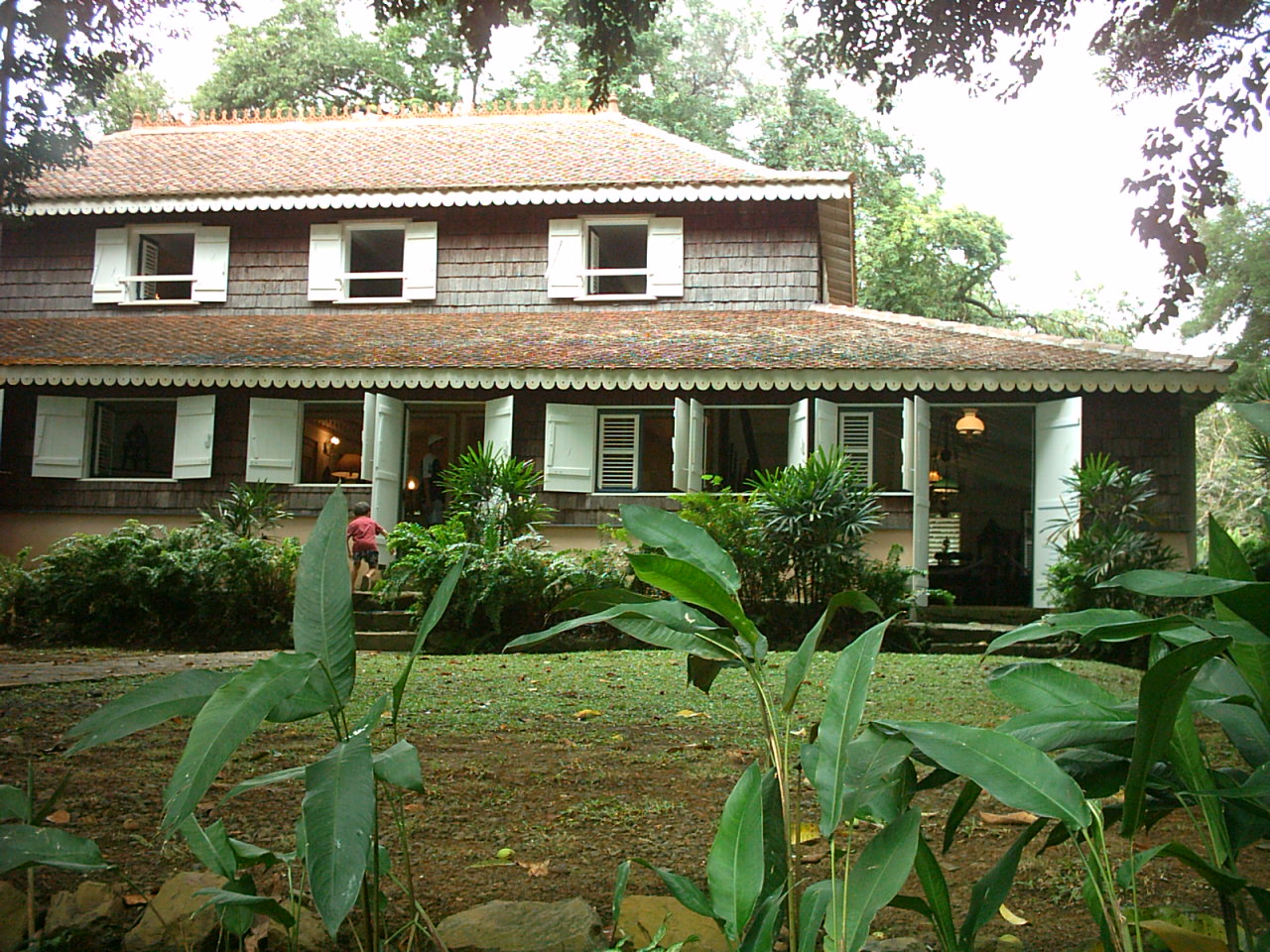
Two distilleries make an easy pair. Distillerie Depaz, just above Saint-Pierre, is a self-guided visit with an old steam engine, a small museum and a tasting boutique, and its story is tied to the 1902 eruption. Habitation Clément in Le François, on the Atlantic coast, combines a distillery with gardens and contemporary art. Harvest season runs from about February to June, and visiting then lets you see cane processed. Tastings are generous, so nominate a driver or choose a distillery near your hotel, and ask the boutique to wrap bottles for the flight home.
Eating by the sea
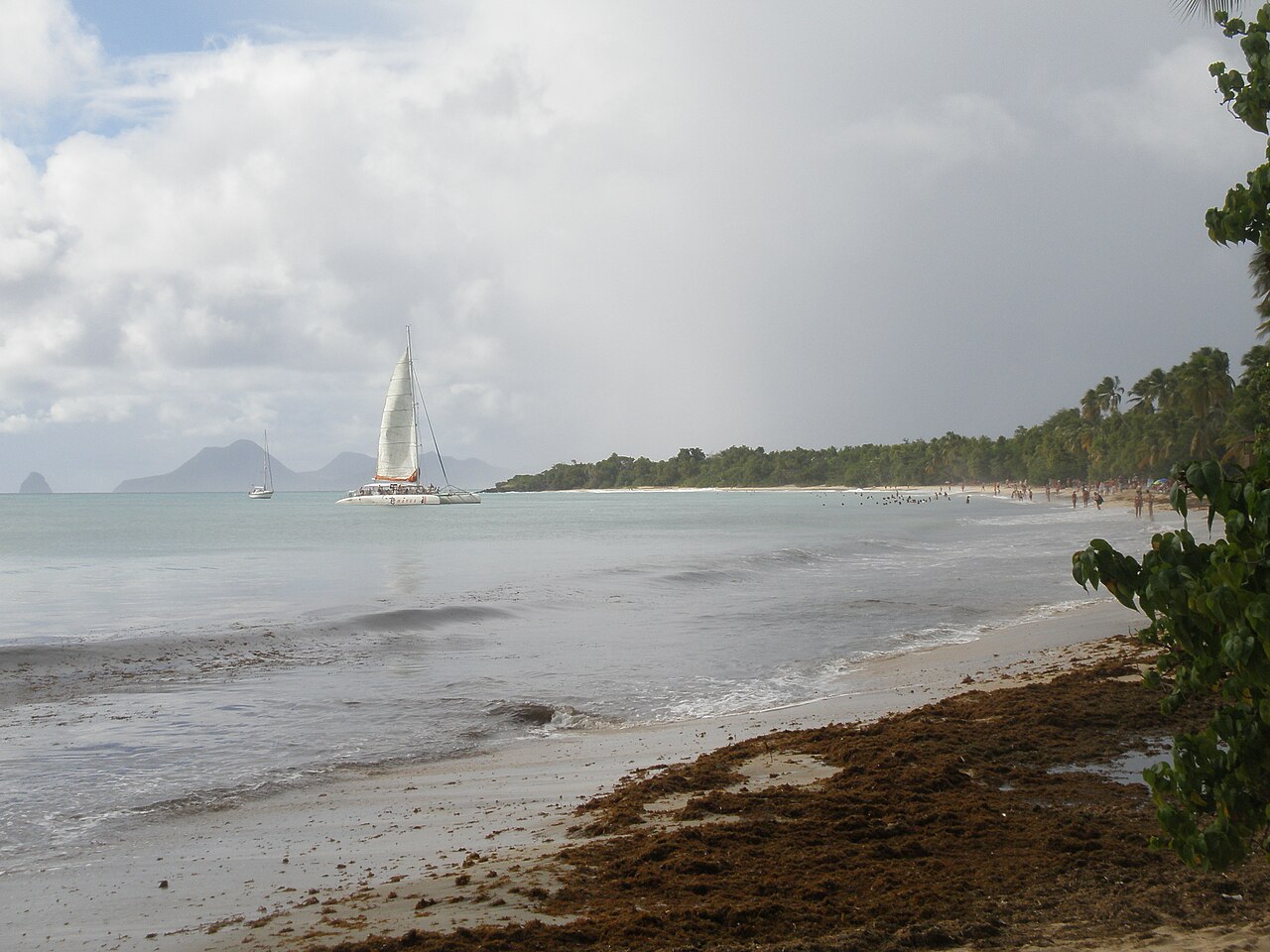
Beach restaurants and snack stands, locally called snacks, serve grilled fish, chicken, salads and cold drinks with a view, and they are the easiest way to build lunch into a beach day. Grande Anse des Salines in the south is a classic, with stalls and cafes near the beach. Les Anses d'Arlet and Le Diamant have small waterside restaurants where you can watch fishing boats come in. On a boat day, check whether lunch is included in the fare, as some outings serve a barbecue on board and others expect you to bring food.
Eating well on a schedule
Many restaurants close between lunch and dinner, and some close on Sundays or Mondays, so check hours before you set out, especially outside Fort-de-France and the main resort areas. Lunch is the main meal for many locals, and a plat du jour is often the best value. Dinner tends to start early to mid evening, and booking ahead is wise in winter. Service charges are normally included in the price, though a small tip for good service is appreciated.
Food on tour days
The small-group tours generally do not include lunch, so plan to eat in Saint-Pierre, Le Carbet or the capital afterward. On the north coast, a tasting at Depaz makes a good mid-morning stop, and Saint-Pierre has casual places for a plate of fish or a sandwich. On the south coast, finish a walk at Morne Larcher or the Savane des Pétrifications with lunch and a swim at Le Diamant or Les Salines.
A simple tasting plan
Begin with accras and a ti' punch at a beach snack, move on to a colombo or a grilled fish at lunch, and finish with a coconut dessert. Add a distillery stop for a tasting of white and aged rhum, and leave room for the market. Bring a small cooler bag if you buy fresh items, and remember that customs limits apply to the rum you carry home.