Martinique is a French island in the Caribbean, green and steep, with a volcano in the north, white-sand beaches in the south and rum estates on the Atlantic coast. It is part of France, so the euro is the currency and French and Creole are spoken everywhere, though many tour operators work in English. The tourism board notes that US dollars are generally accepted in shops and by cabs and that cards are widely used. This guide is built for a first visit of a few days, and it works for a cruise stop too.
What to book ahead
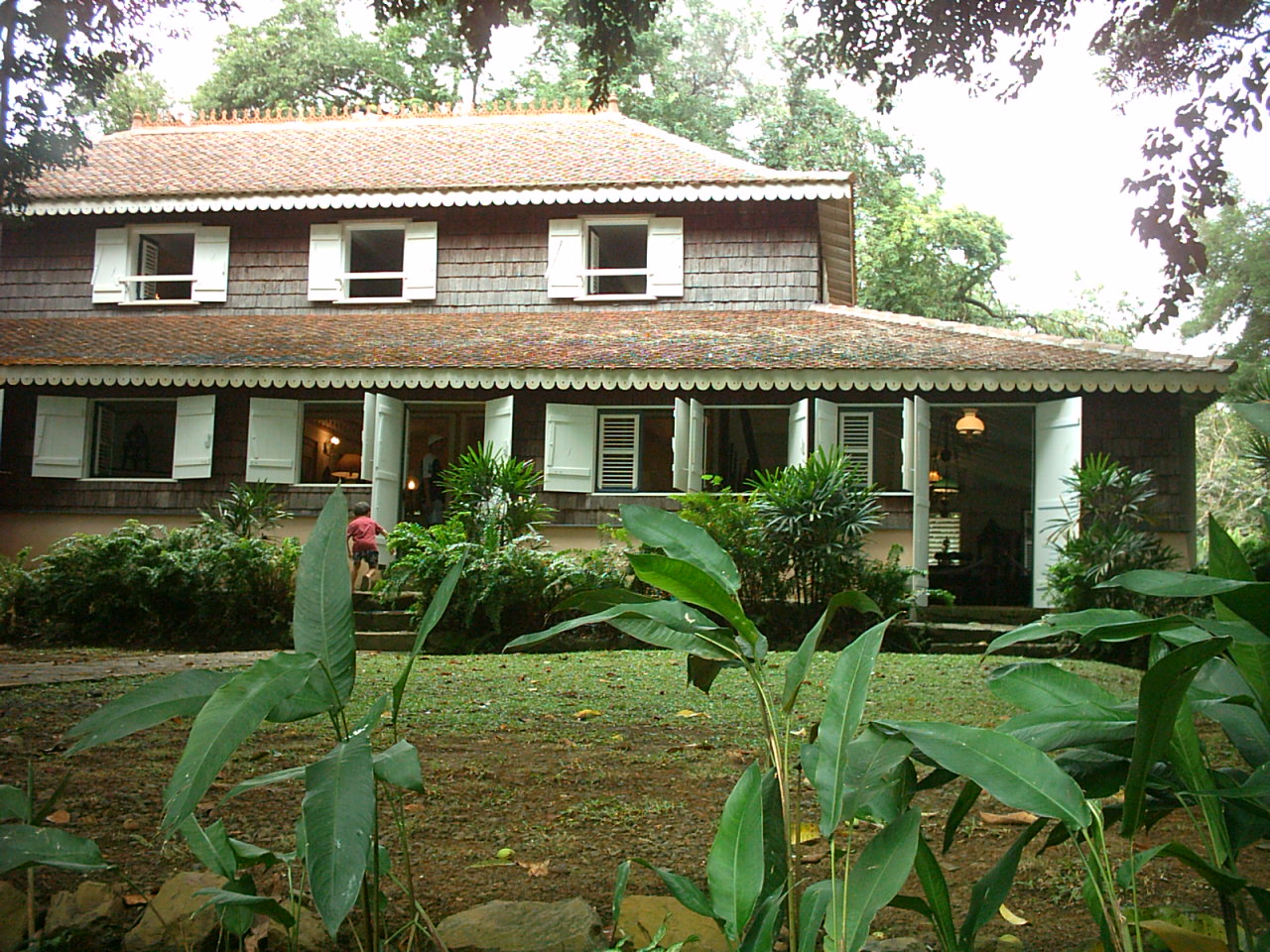
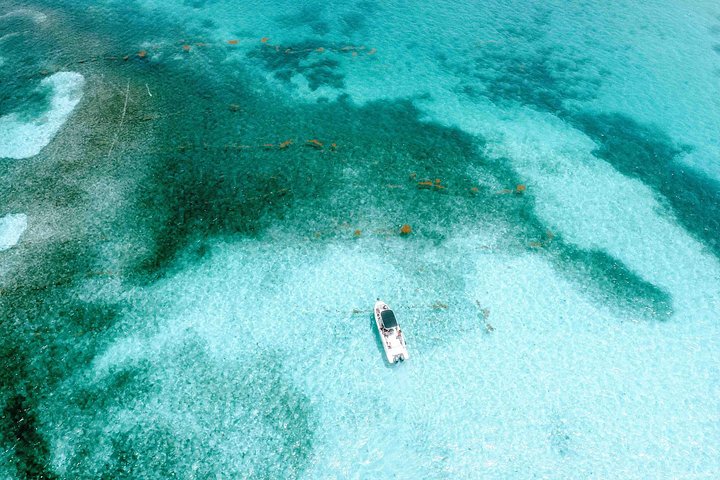
Four things are worth reserving before you arrive. First, the full-day boat trip to the Baignoire de Joséphine and the Fonds Blancs from Le François, among the island's best-rated excursions. Second, the catamaran snorkel day from Grande Anse d'Arlet if you want sea turtles and reefs in a small group. Third, the small-group tour to Saint-Pierre if you do not have a car. Fourth, tickets for Jardin de Balata and Habitation Clément, which are easy to arrange in advance and save time at the gate. Everything else, from Les Salines to Fort-de-France, can be decided on the day.
Getting around
A rental car is the most flexible way to see Martinique, especially for the Atlantic coast, the north and the south beaches, but roads are winding and slow. Taxis are easy in Fort-de-France and around the resorts, and the tourism board lists water shuttles between Fort-de-France and Les Trois-Îlets, with Anse Mitan about twenty minutes by water taxi. Many small-group tours pick up in Fort-de-France and Schoelcher, which is simple if you are staying in the capital. Distances look short on a map but take longer than expected, so do not stack two long drives in one day.
How many days
With one day, choose a single headline: the Saint-Pierre tour, a beach day at Les Salines, or a boat trip. Three days lets you add Mount Pelée or Jardin de Balata and a rum visit at Habitation Clément. Five days is relaxed and leaves space for the sailing day, the catamaran snorkel and long beach afternoons. A week lets you stay in two areas, such as the south coast and the Atlantic side, and cut down on driving.
Where the headline sights fit
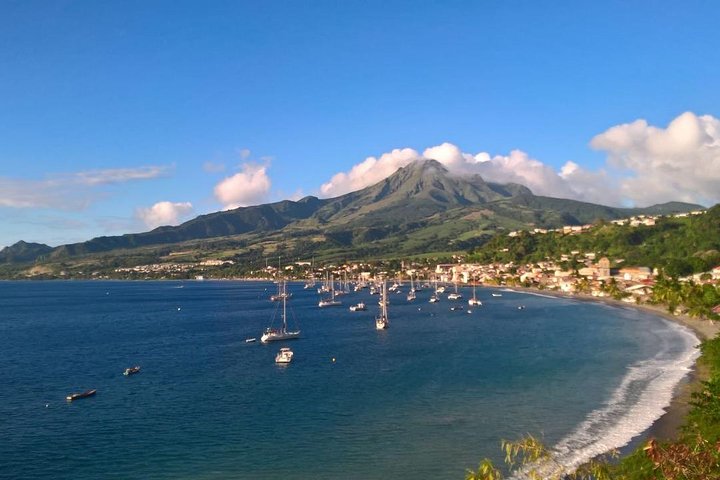
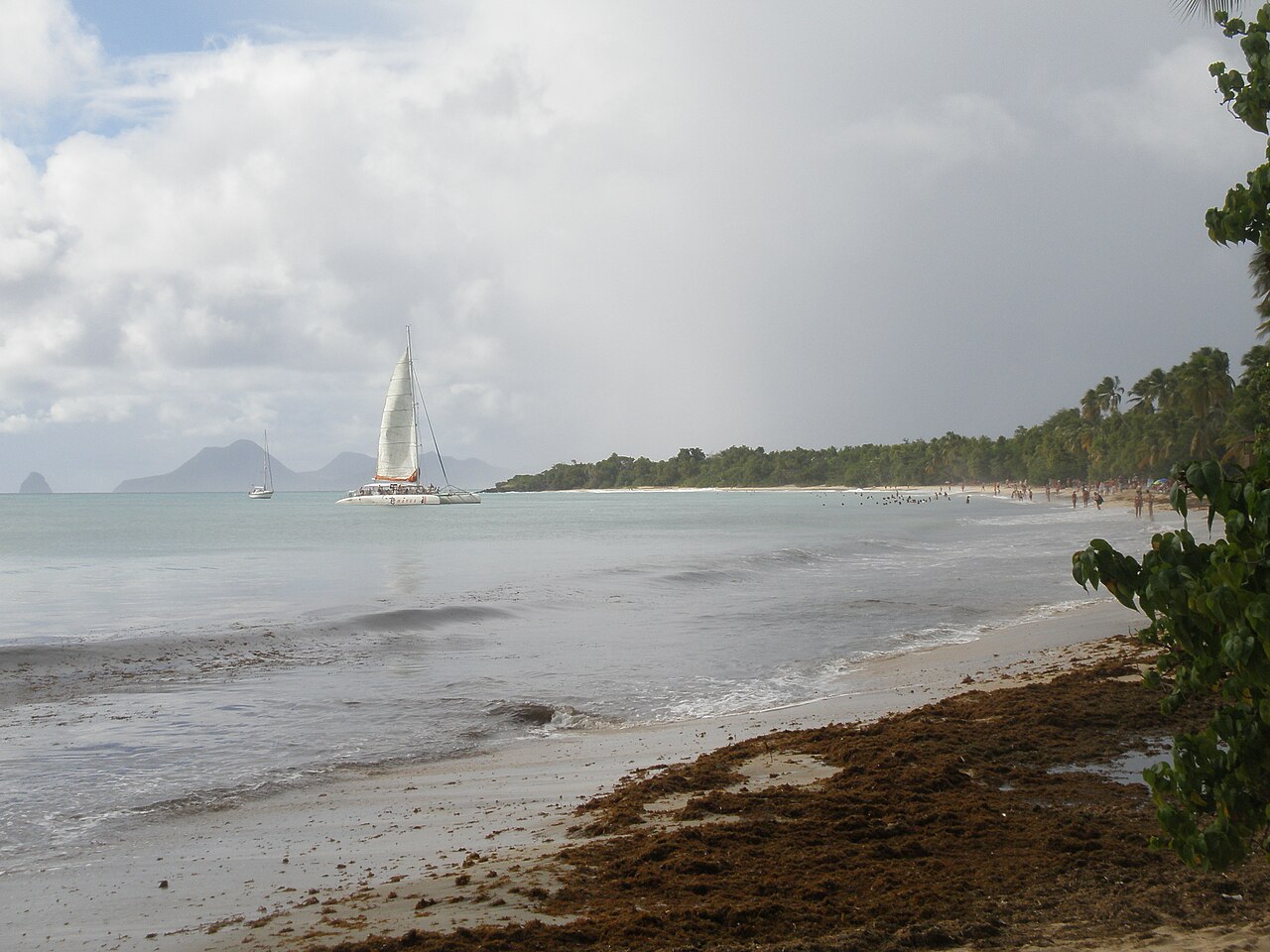
In the north, Saint-Pierre is the town destroyed by Mount Pelée in 1902, and the volcano itself, at 1,397 metres, is the island's great hike. Jardin de Balata is in the hills just above Fort-de-France, on the road north. On the Atlantic coast, Le François holds both Habitation Clément and the boat trip to the Baignoire de Joséphine, so they pair well on one day. In the south, Diamond Rock rises off Le Diamant, Les Anses d'Arlet are the place for turtles, and Les Salines is the best-known beach, about five kilometres south of Sainte-Anne.
Cruise-day tips
Fort-de-France is the main cruise port, and the old centre, with its cathedral, library and covered market, can be seen on foot. La Française beach is within walking distance of the port. For tours, give your ship name, docking time and re-boarding time when booking, and keep a generous buffer before all-aboard. A full-day boat trip is risky on a tight schedule, so choose a half-day tour or stay in the capital.
Practical comfort
The sun is strong all year, so bring reef-safe sunscreen, a hat and water. Wear shoes with grip for Mount Pelée and the garden paths, which can be muddy after rain, and pack a light rain jacket. Distilleries run their harvest season from February to June, so that is the best time to see cane being processed. Carry some euros for markets, tips and small purchases.
A simple plan
Day one, walk Fort-de-France in the morning and visit Jardin de Balata in the afternoon. Day two, the Saint-Pierre tour, or a Mount Pelée hike if you are fit. Day three, the boat trip to the Baignoire de Joséphine and Habitation Clément on the Atlantic coast. Day four, the south: Diamond Rock, Les Anses d'Arlet and the catamaran snorkel. Day five, a beach day at Les Salines or the sailing day.