Three days is enough to see the best of Martinique if you accept that distances are slow and that you cannot do everything. The island is only about 70 kilometres long, but the roads are winding and traffic around Fort-de-France can be heavy, so this plan groups sights by area and avoids crossing the island twice in a day. It works best with a rental car, though most of it can be done with taxis and small-group tours if you prefer not to drive.
Choose a base first
Where you sleep shapes the plan. Fort-de-France suits a first day on foot and an early start for the north. Les Trois-Îlets and Pointe du Bout are close to the capital by water taxi and make a comfortable resort base. The south coast, around Le Diamant and Sainte-Luce, shortens the third day. Whichever you pick, expect to spend an hour or more in the car on the longer days, and keep one long drive per day at most.
Day one: the capital and the gardens
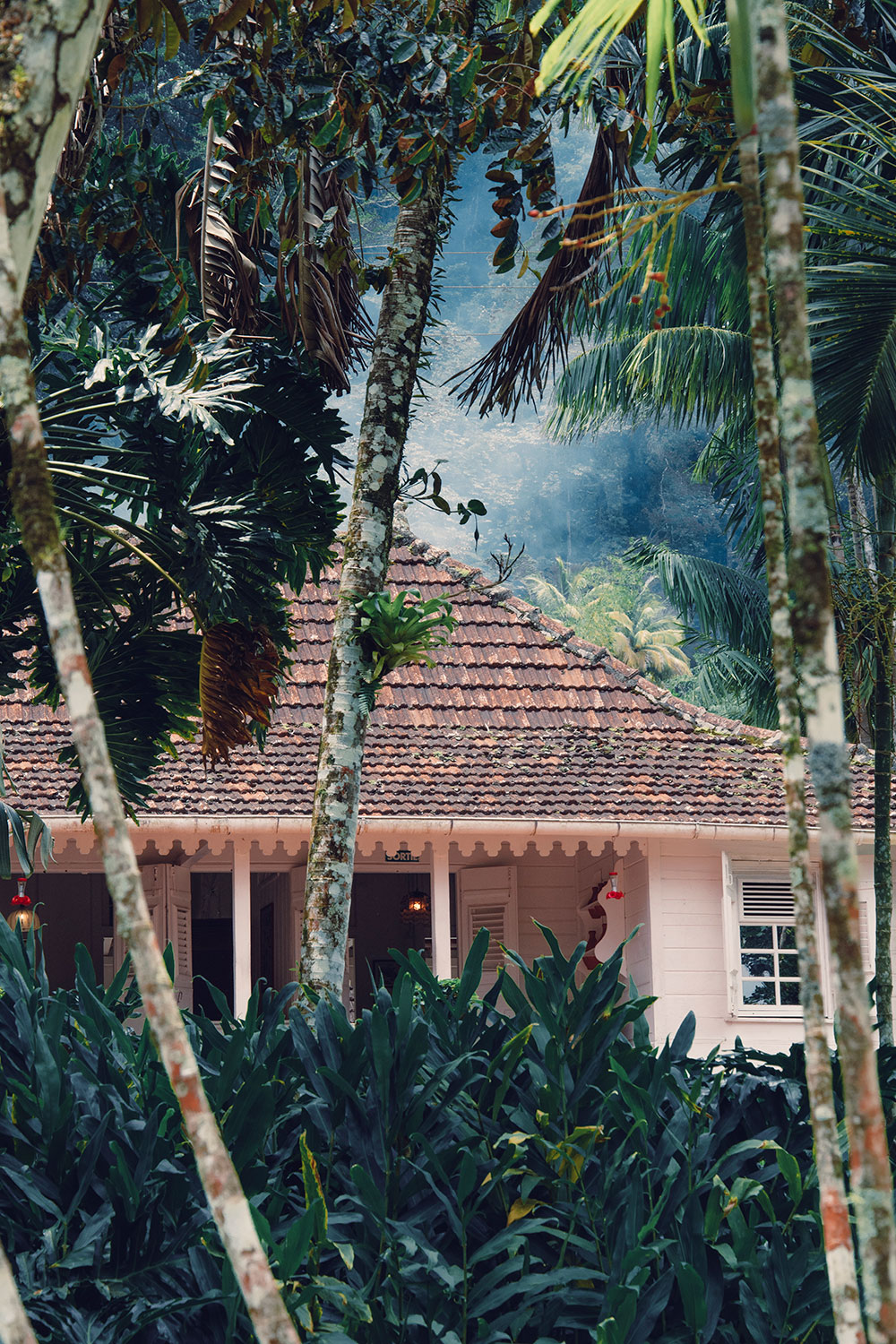
Start in Fort-de-France in the morning, when the covered market is lively and the heat is lower. Walk from the Savane park and the waterfront to the cathedral, the Schoelcher Library and the market, and allow two to four hours. In the afternoon, drive a short way up into the hills to Jardin de Balata, a tropical garden that is easy to enjoy in an hour or two and a cool contrast to the city. If you arrive in the afternoon or are on a cruise, a shorter version of this day still works.
Day two: the north and the volcano
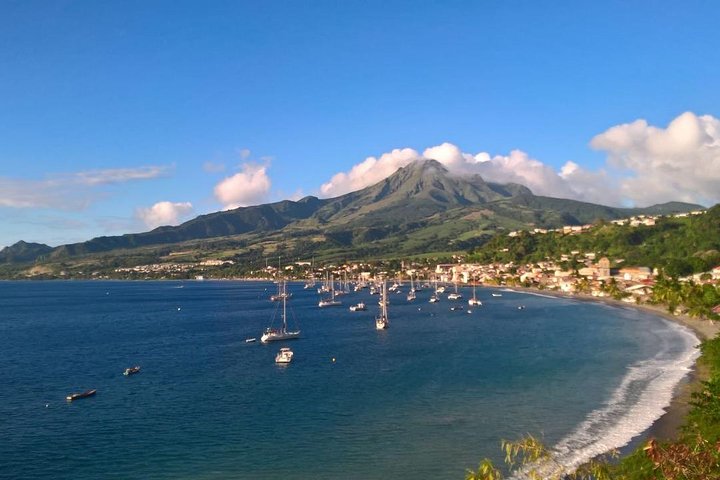
Head up the Caribbean coast to Saint-Pierre, the town destroyed by Mount Pelée on 8 May 1902. Walk among the ruins, then visit Distillerie Depaz just above the town, where the family story and the rums are a good companion to the history. If you have no car, the small-group Saint-Pierre tour covers the coast and the town in half a day. Fit walkers can add the Mount Pelée hike by L'Aileron, starting early to beat the cloud, but treat it as a full day in its own right and do not stack it with a long drive in the afternoon.
Day three: the south coast
Spend the morning on the south coast, with the choice of a viewpoint walk and a beach. For the view, Morne Larcher above Le Diamant is a shaded two-hour climb to a summit that overlooks Diamond Rock. For a landscape walk, the Savane des Pétrifications near Sainte-Anne is dry, wind-swept and unlike the rest of the island. Then finish with a swim and a long lunch at Grande Anse des Salines, the island's best-known beach, which is free and has facilities nearby. If you would rather be on the water, swap the morning for the catamaran snorkel day from Grande Anse d'Arlet.
If you have a car and an extra half day
The Atlantic coast is a good addition. Habitation Clément in Le François combines a distillery, gardens and contemporary art, and it pairs well with the boat trip to the Baignoire de Joséphine if you have a full day. The Caravelle peninsula near Tartane offers a wilder walk and a quieter feel. These are better added on a fourth day than squeezed into the three days above.
Practical tips for the three days
Start early every day, since the sun is strong, the heat builds by midday and cloud often settles over the volcano in the afternoon. Carry water, sun protection and a light rain jacket. Bring some euros for markets, small purchases and tips, although cards are widely accepted. Book the full-day boat trips in advance, as they have limited departures, and leave the beach and market days open, since they need no booking. If the weather turns, swap the beach for a rum visit or the capital's market, which are both mostly under cover.
Rain and flexibility
Showers are short but can be heavy, particularly in the north and in the hills. Plan the volcano and the gardens for the first part of the day and leave the beach for the afternoon, when the south coast is usually brighter. If a day is washed out, there is a natural swap between the garden, the rum estates and the market, all of which work in damp weather.
How the three days fit together
The plan moves from the city to the volcano to the sea, which gives a mix of culture, history and relaxation, without long transfers. The capital is the right start because it is easy to reach from the airport and ports, the north is the most dramatic and moving part of the island, and the south gives the beaches and viewpoints that most visitors expect from the Caribbean. If you can add a day, use it for the Atlantic side. If you can add a week, split your stay between two bases, such as the capital area and the south, to cut down on driving.