Martinique has a warm tropical climate all year, with temperatures that rarely stray far from the high twenties Celsius by day, but the season you choose still shapes your trip. The main divide is between a drier season in the winter and spring and a wetter, more humid season in the summer and autumn. This guide explains how each period feels, what happens on the calendar and which activities suit which months.
The dry season, roughly December to May
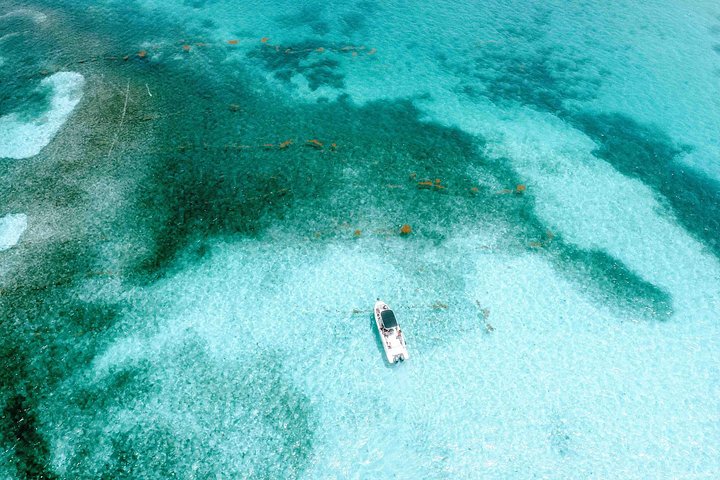
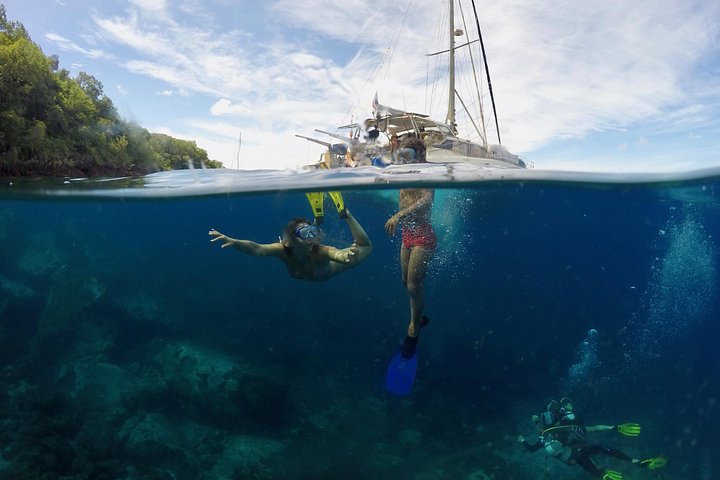
This is the most popular time to visit and the easiest for sightseeing. Rainfall is lower, humidity is more comfortable and the trade winds keep the coast pleasant. Hikes on Mount Pelée and the Caravelle peninsula are more reliable, trails are less muddy, and sea conditions for boat trips such as the Baignoire de Joséphine day and the catamaran snorkel are generally good. The trade-off is higher prices and fuller hotels, particularly around Christmas, New Year and school holidays, so reserve rooms and popular tours early.
The wet season, roughly June to November
Expect more frequent and heavier showers, higher humidity and hotter afternoons. Rain is often brief and followed by sun, so a trip is far from a washout, and the island is at its greenest. Prices are generally lower and the beaches and sights are quieter. Plan outdoor activities for the morning and keep afternoon plans flexible. Trails can be slippery, and Mount Pelée may be more often in cloud, so build in a spare day for the hike.
Hurricane season
The Atlantic hurricane season runs from June through November, with the greatest risk usually in the late summer and early autumn. Most years pass without a direct hit, but it is sensible to buy travel insurance that covers weather disruption, to keep flexible bookings where you can and to follow the forecasts from the national weather service before and during your trip. Boat trips can be cancelled in rough weather, so allow slack in your schedule.
Carnival
Martinique's Carnival is the biggest event of the year, running in the weeks before Lent with parades, costumes, music and dancing in Fort-de-France and towns around the island. The main days fall just before Ash Wednesday, so the dates move each year. If you want to take part, book flights and rooms well in advance, expect crowds and closures of some shops and offices, and check the programme with the tourism board. If you want a quiet trip, avoid the Carnival days.
The rum harvest
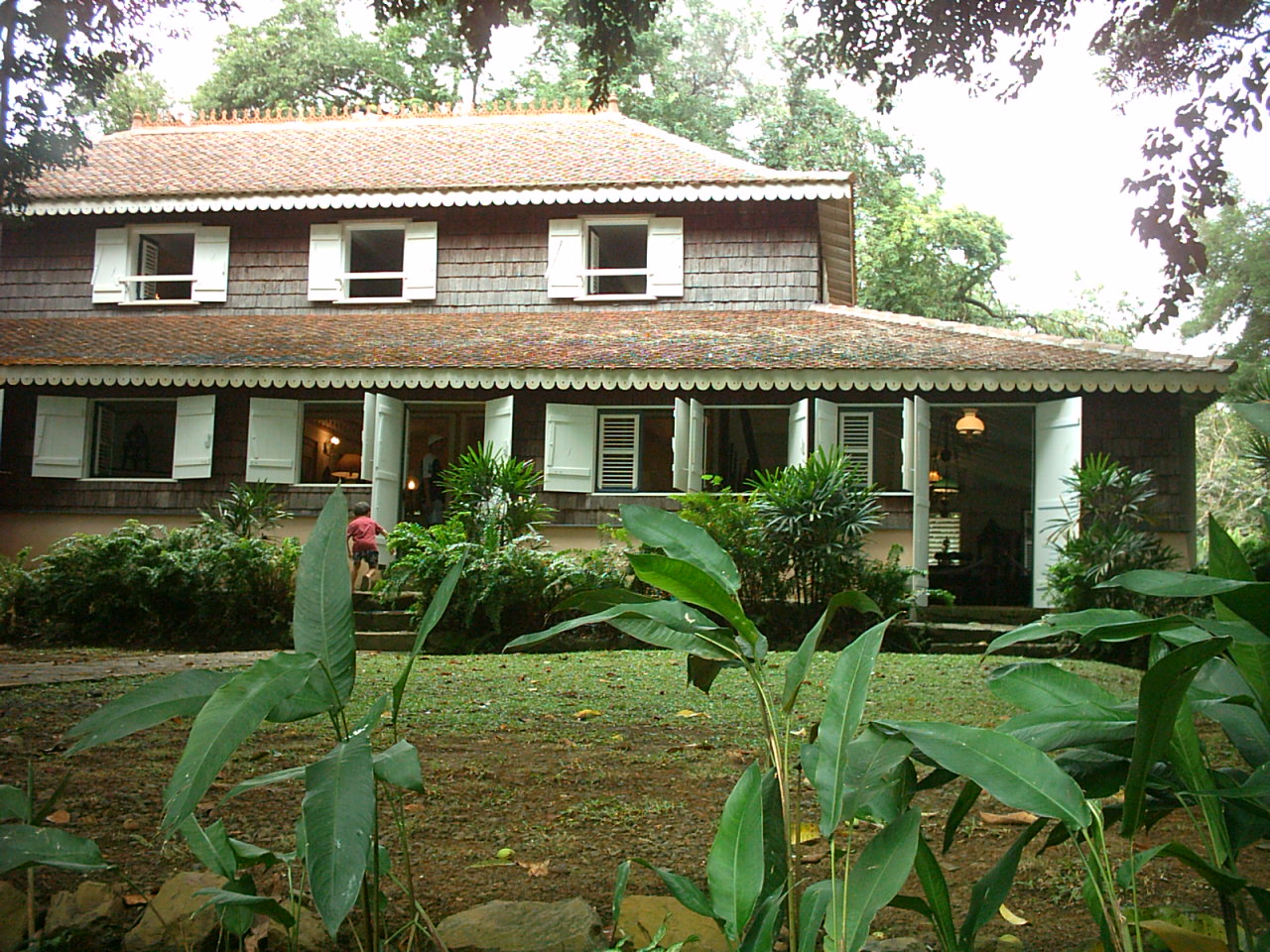
The sugar cane harvest and the distillery season run from about February to June, which makes these months the best for seeing cane being processed at estates such as Habitation Clément and Distillerie Depaz. Outside the harvest, the distilleries still welcome visitors, and the tastings and boutiques are open, but the machinery may not be running. If rum is a priority, aim for spring.
Beaches and the sea
The Caribbean coast is calm for much of the year and good for swimming, snorkelling and dolphin watching, while the Atlantic side is rougher and breezier. In the summer, the sea is warmer and the water clearer on many days, but swells from distant storms can affect conditions. Whatever the month, check the sea state before swimming at exposed beaches and follow local flag warnings.
Cruise season
Fort-de-France is a major cruise port, and the busiest period is generally the winter, when ships call frequently. On those days, the capital's market and the popular half-day tours are busier, so book early and keep a buffer before all-aboard. In the summer, calls are fewer and the island feels quieter.
Which month should you choose?
For the best weather and the most reliable hikes and boat trips, aim for February to April, when the dry season is established and the rum harvest is under way. For lower prices and green landscapes, consider May, June or early July, accepting a few more showers. For a festival atmosphere, plan around Carnival. For a quiet summer trip, go flexible and insure well. Whichever season you pick, give yourself a flexible day or two, since weather rules the sea and the mountain more than the calendar does. Pack light clothing, a rain jacket, reef-safe sunscreen, a hat and shoes with grip, and enjoy the island in whichever season you choose.