Mauritian food is one of the island’s great pleasures, and one of its least understood. The population came from Africa, India, China and Europe, and the cooking reflects all of them, so a single meal can mix Creole stews, Indian breads, Chinese noodles and French sauces. The result is distinctive, generous and full of flavour, and it is best explored by eating widely, from market stalls to beach shacks to restaurant tables. This guide covers what to try and where to find it.
Street food: start here
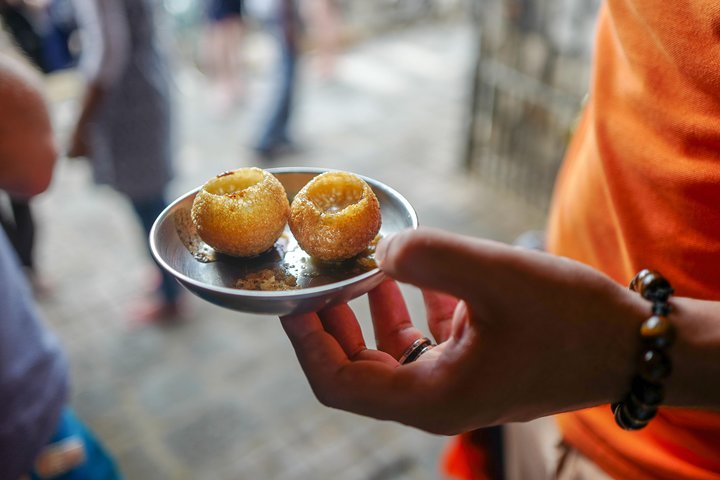
The most beloved snack in Mauritius is dholl puri, a thin, soft flatbread filled with ground yellow split peas and wrapped around curry, usually bean or vegetable, with a dab of chilli sauce and pickle. It is cheap, filling and everywhere, and a quick lunch for locals. Look also for farata, a flaky, layered bread, gato piment, small fried chilli cakes made from split peas, and samosas and gato arouille, a taro fritter. Boiled and fried noodles are a Chinese-Mauritian staple, and boulettes, small steamed dumplings in broth, are a comfort dish. The street food tour in Port Louis is the easiest way to taste these in one morning, with a guide who knows the best stalls.
Sweet bites and drinks
Alouda is a favourite cooling drink, made with milk, basil seeds, jelly and sometimes ice cream, and it is perfect on a hot day. Freshly pressed sugarcane juice is sold at market stalls and roadside stands, and coconut water is everywhere. Sweet cakes and Chinese pastries fill the bakeries, and gato coco, a coconut sweet, is a common treat. In the markets, look out for tropical fruit such as lychee in the summer months, pineapples, mangoes and papaya, and try the small, sweet pineapples sold with chilli salt, a surprisingly good combination.
Creole and curries
At a sit-down meal, order the dish of the day. Rougaille is a tomato-based Creole stew, often made with fish, sausage or salted fish. Vindaye is a mustard-and-turmeric dish, typically with fish or octopus, served cold or warm. Octopus curry is a seaside classic, and fresh fish with garlic and thyme is simple and good. Biryani, often made with chicken or mutton and served with raita, is a festive favourite, and Mauritian curries are lighter and more fragrant than their Indian cousins, flavoured with thyme, curry leaves and ginger. A fresh salad of palm heart, sometimes called the millionaire’s salad, is a regional treat and sometimes appears on menus, although it is costly.
Rum and sugar
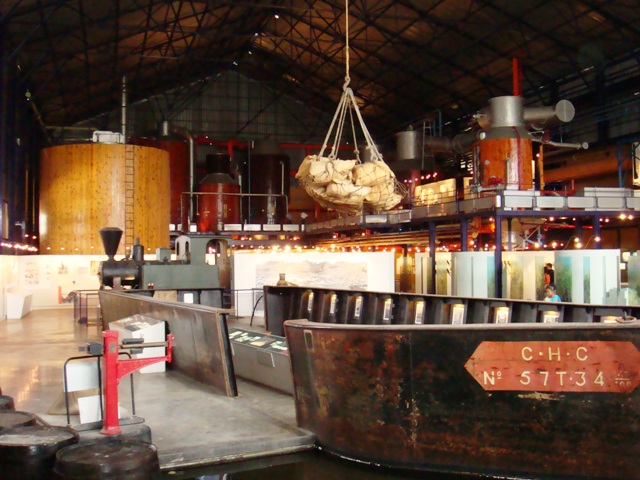
Sugar built Mauritius, and the island’s rum follows. L’Aventure du Sucre, a former sugar factory near Pamplemousses, is the best place to understand the story and to taste unrefined sugars and rums, with lunch at the on-site restaurant. Rhumeries in the south also offer tours and tastings, and many south-west day trips include one, often with spiced and flavoured rums, such as vanilla and coffee. Sip slowly, as the rums can be strong, and do not drive after a tasting; book a driver or join a guided tour instead.
Tea and the highlands
The central plateau and the south have tea plantations, and the island’s tea is often scented with vanilla. A day tour of the tea route combines factory visits, tastings and colonial-era estates, and is a gentle, scenic alternative to a beach day. Tea tasting pairs well with a visit to Chamarel’s Seven Coloured Earth and the Black River Gorges for a day in the cooler uplands.
Where to eat
For the freshest cooking, follow the locals. Port Louis is the best city for street food and small cafés, while Grand Baie has the widest choice of restaurants, from casual beach spots to polished dining. In the west, Flic en Flac and Tamarin have good seafood, and in the south-west, Le Morne and Chamarel offer views as well as meals. Resort restaurants are strong, and some of the best meals on the island, such as the Japanese and Thai restaurants at LUX* Le Morne, are in hotels. Many hotels also offer half-board plans that make dining easier on a first visit.
Practical tips
Carry some cash for markets and small stalls, as cards are not accepted everywhere. Eat where the food is cooked fresh and the queue is long, drink bottled water and be sensible with ice and raw salads if you have a sensitive stomach. Spice levels vary, so ask for chilli on the side, and tell your guide or waiter about any allergies, since peanuts, shellfish and wheat appear in many dishes. Visit markets in the morning, when the produce is freshest, and leave room for dessert.