Mauritius is a year-round destination, but the island’s seasons shape what you can do, how much you pay and how crowded the beaches feel. There is no single best month, only a best month for the trip you want. This guide explains the two main seasons, the shoulder periods and how each suits different activities, so you can pick dates with confidence.
The big picture
The island has two seasons. The southern summer runs from roughly November to April and is hot, humid and wetter, with the warmest sea of the year. The southern winter runs from May to October and is cooler, drier and breezier. Even in winter the island is warm, and swimming is comfortable throughout the year, but the difference in humidity and rain is noticeable. Temperatures vary by coast: the north and west are sheltered and warmer, while the east and south catch the trade winds and feel fresher.
Summer, November to April
This is the season of heat, humidity and tropical showers, usually short and followed by sun. The sea is at its warmest, which is lovely for swimming and snorkelling, and the vegetation is lush and green, with waterfalls running full. The downsides are the humidity, which can make midday exertion tiring, and the risk of heavy rain and cyclones, mainly from January to March. Cyclone warnings are issued by the weather service, and a stormy spell can cancel boat trips and hikes, so build in flexibility and consider travel insurance. Late December and early January are the busiest and most expensive weeks, as holidaymakers arrive for Christmas and New Year, so book flights and hotels well ahead.
Winter, May to October
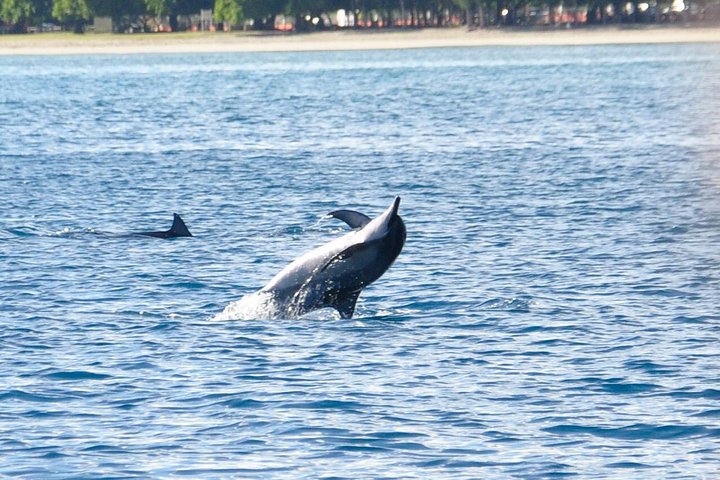
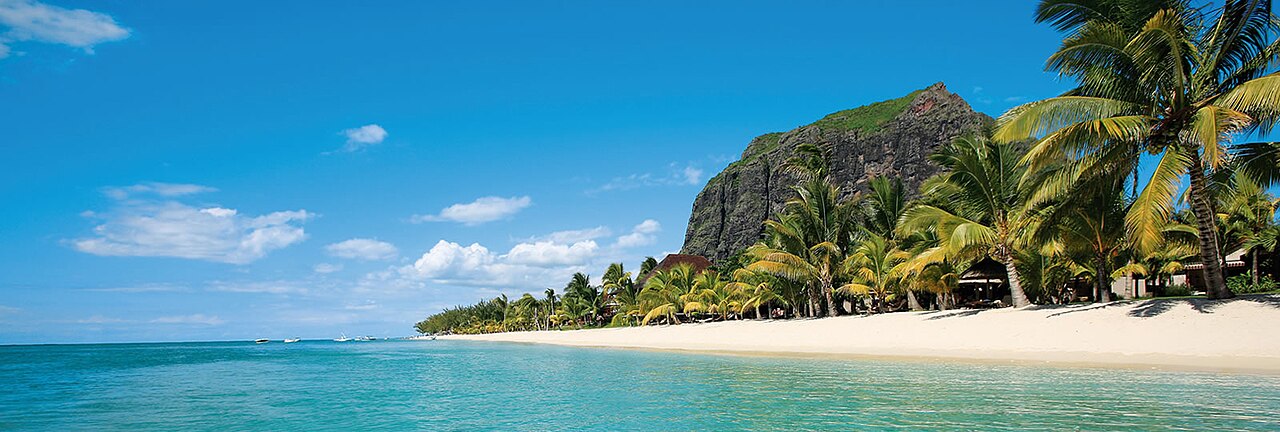
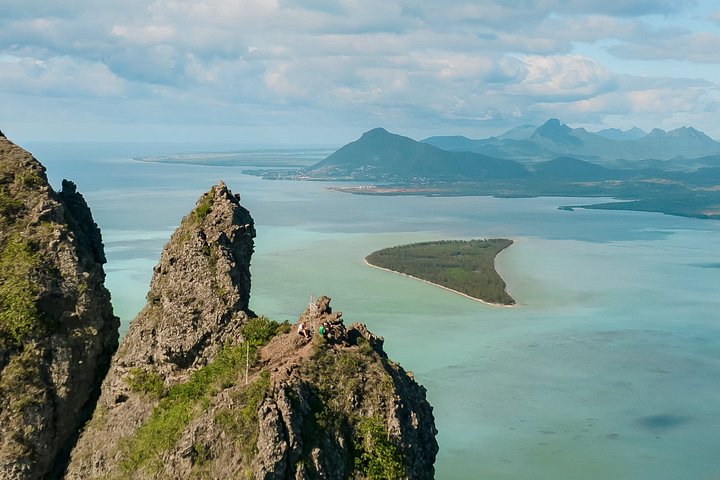
Winter is the most popular season for active travellers. Days are sunny, skies are clearer and the temperature is comfortable for hiking, which makes it the best time for the Le Morne Brabant climb, the Black River Gorges and the Tamarind Falls cascades. The trade winds are strongest in these months, and they bring the kite surfers to the south-west and make the east and south coasts breezy, especially in the afternoons. The sea is a little cooler but still pleasant, and the west and north coasts stay calm and sheltered. From roughly July to October, humpback whales pass the island, and boat trips from Black River may see them alongside the resident dolphins. The European summer holidays in July and August bring more visitors and higher prices.
The shoulder months
For many travellers, the best windows are the shoulders, especially late October through November and May through June. In these months the weather is warm, the rain is limited, the crowds are thinner and prices are often lower than in peak season. September and October are particularly appealing, with sunny days, calm seas and the whales still around. If you can choose, aim for these weeks.
Matching the season to the plan
For a beach and lagoon holiday, any month works, but the winter has the most dependable sun. For hiking, choose May to October, when trails are drier and cooler. For kitesurfing, the winter trade winds are the main attraction, and the south-west lagoon is at its best. For snorkelling and swimming in the warmest water, choose the summer, accepting the humidity. For whales, visit between July and October. For waterfalls, the weeks after rain show them at their fullest, although trails are slippery. For the lowest prices, look at the shoulder months outside school holidays.
Choosing a coast by season
In winter, the west and north coasts are the calmest and sunniest, which suits swimming and sunsets, while the east and south can be windy but feel fresh and fine for walking and hiking. In summer, the east can be warm and breezy, while the north and west are hotter and more humid. The south-west around Le Morne works all year, with the winter wind giving it its kite-surfing reputation.
Practical tips
Pack light, breathable clothes, a rain jacket for the summer and a warm layer for winter evenings and the highlands. Book popular boat trips, the Le Morne hike and the best hotels well in advance for Christmas, New Year and the European summer. Check the weather the day before any outdoor activity, as operators reschedule when the sea or the wind is unsuitable. Whenever you come, the island’s reefs, mountains and warm welcome are waiting.