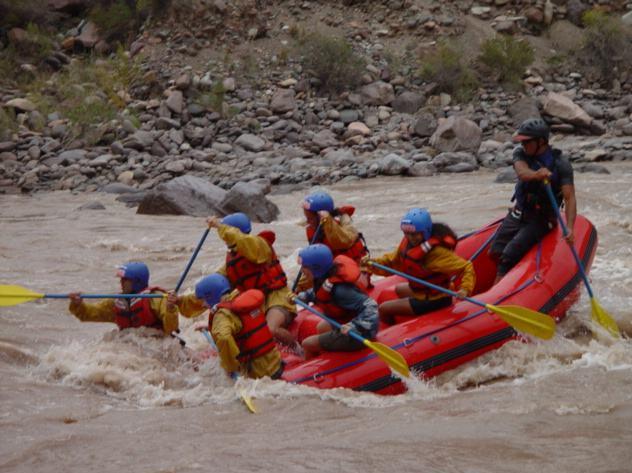
Mendoza is a sunny desert city with four clear seasons, and the best time to visit depends on what you want to do. Wine tasting works all year, but the mountains, rafting, the hot springs and the vineyards themselves look and feel very different from one month to the next. Here is how the seasons compare, so that you can match your trip to your priorities.
Spring, September to November
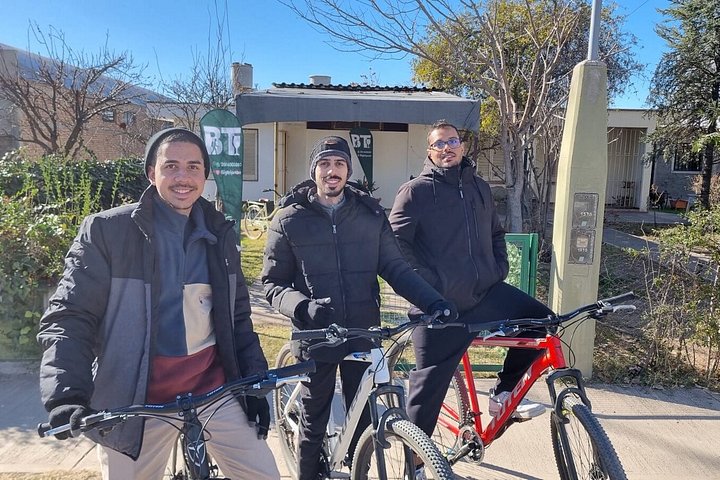
Spring is one of the best times for a first visit. Days are warm but not hot, the vineyards turn bright green and the plane trees along the city streets are in leaf. Snow melts in the mountains, swelling the Mendoza River, which means rafting starts to become lively, especially later in the season. Cycling in Maipú is comfortable, and the Uco Valley's views of the snow-capped Andes are at their sharpest. Crowds are moderate, and prices are generally lower than in the harvest months. Evenings can still be cool, so pack a light jacket.
Summer, December to February
Summer is hot and dry, with strong sun, so plan activities for the morning and rest in the afternoon. It is the season for rafting, pools, outdoor dining and long evenings, and snowmelt gives the rivers plenty of energy. Many Argentines holiday in January and February, so popular bodegas, restaurants and hotels fill up and rates rise. Winery tours still run, but start early, wear a hat and carry water. The high mountains are open and clear, which makes it a good time for the Aconcagua day trip and for trekking at altitude. Thunderstorms and hail can occur in the afternoon, which is a risk for vineyards but rarely a problem for visitors.
Autumn, March to May
Many people consider autumn the best season. The grape harvest, called the vendimia, takes place from late summer into early autumn, and the vineyards turn gold and red. Wineries may hold harvest events, and the city celebrates with a large festival early in the year. Days are warm, evenings are cool and the air is clear, which is good for photography and for the Andes. This is the busiest period for winery visits and lunches, so book well in advance and expect higher prices. By May the days become cooler, and the mountains start to receive their first snowfall.
Winter, June to August
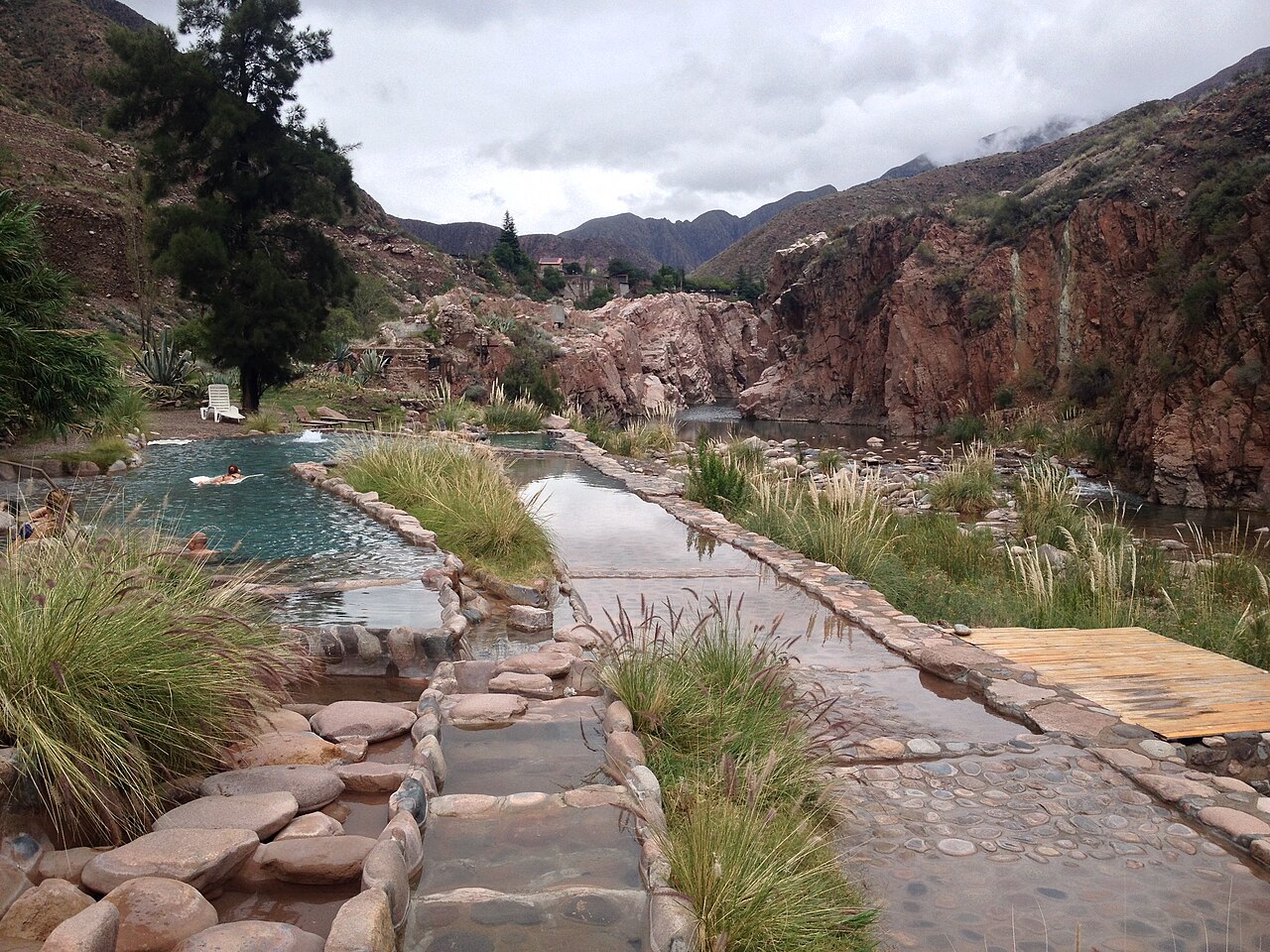
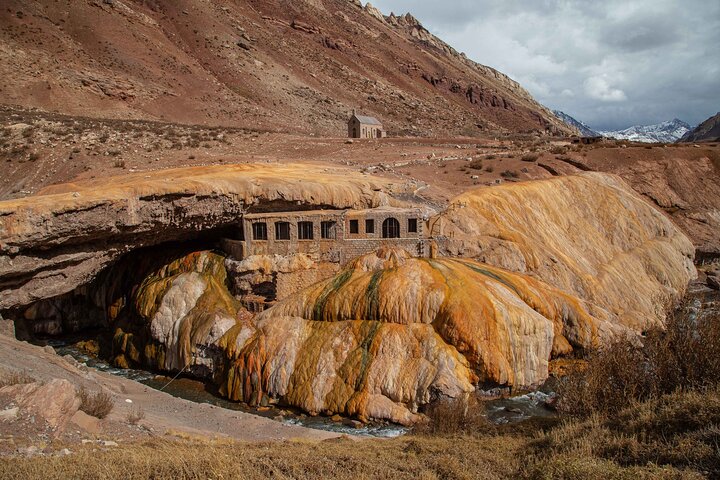
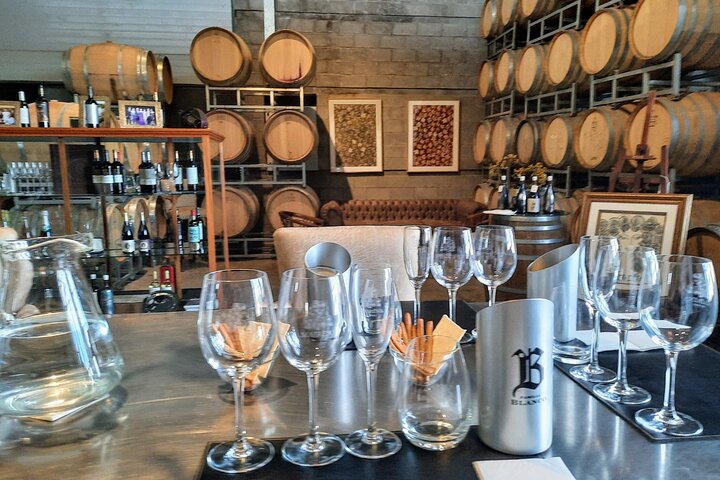
Winter is cooler and drier, with sunny days and cold nights. It is a quiet time for wine tourism, which means a calm tasting room and personal attention, and a good time for the hot springs, since a soak on a cold day is a pleasure. Snow can fall in the high Andes, which brings skiing at the resorts in the region, and it can close the road to Puente del Inca and the Chile border, so high-mountain trips need flexibility. Rafting is not typical in winter, and some adventure operators run reduced schedules. Pack warm layers, including gloves and a hat for mountain days.
Planning around the harvest
If you want to see the vineyards at their busiest, aim for the harvest period, but expect crowds and book early. If you prefer quiet roads and lower prices, choose spring or the shoulder months. Remember that Mendoza gets more than three hundred sunny days a year, so rain is rarely a problem, though wind can affect some activities.
Planning around activities
For rafting, late spring and summer are best. For the Cacheuta hot springs, any season works, but winter is especially pleasant. For the Aconcagua day trip, summer and early autumn offer the most reliable conditions, while winter weather can interrupt trips. For cycling and walking in the vineyards, spring and autumn are the most comfortable. For the Villavicencio reserve and trekking at altitude, choose dry, clear days in spring, summer or autumn.
Crowds and prices
Peak periods are the harvest and Argentine holiday weeks, when hotels and bodegas charge more. Shoulder months are the best value, and midweek visits are calmer than weekends. Because Argentine prices change often, check current costs close to your trip.
Our pick
If you can choose freely, visit in late spring or early autumn. You will have warm days, cool evenings, clear mountain views and enough activities open to make the most of the region, without the heat of midsummer or the cold of winter.