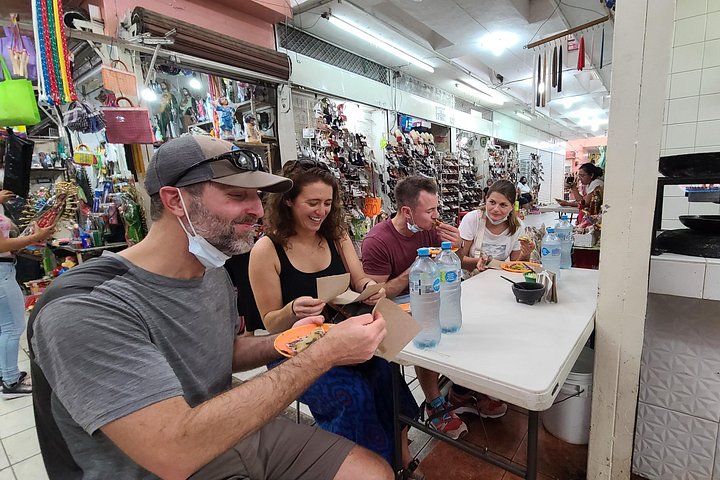
Mérida is one of the great food cities of Mexico, and the cooking here is distinct from anything you will find in Mexico City or on the Caribbean coast. Yucatecan cuisine blends Maya traditions, such as slow cooking in underground pits and the use of achiote, bitter orange and habanero, with influences from Spain, the Caribbean and the Middle East. The result is food that is sour, smoky and bright rather than heavy, and it rewards a little knowledge before you sit down.
The dishes to order
Start with cochinita pibil, pork marinated in achiote and sour orange, wrapped in banana leaf and slow cooked until it falls apart, served in tacos or on a plate with pickled red onion. Try sopa de lima, a bright chicken soup with lime and crisp tortilla strips, and poc chuc, thin pork marinated in citrus and grilled. Antojitos, the small street snacks, are an education in themselves: panuchos are tortillas stuffed with black beans and topped with turkey and onion, salbutes are puffed fried tortillas with similar toppings, and codzitos are rolled and fried tacos. Papadzules, tortillas filled with egg and dressed in a pumpkin seed sauce, are a Maya classic, and queso relleno, a hollowed cheese stuffed with spiced meat, is a festive favourite. Leave room for a marquesita, a crisp rolled crepe filled with cheese and sweet toppings, from a street cart in the evening.
Where to eat
The markets are the beating heart of Yucatecan food, and the Lucas de Gálvez market in the centre has stalls serving breakfast and lunch to locals at low prices. Go in the morning for the best choice and the liveliest atmosphere. Beyond the markets, the historic centre and Paseo de Montejo have a wide range of restaurants, from traditional family places serving regional dishes to modern kitchens that reinvent them. Small neighbourhood places called loncherías serve a daily menu at lunchtime, and many are open only until the afternoon, so plan your main meal for midday and a lighter dinner in the evening. In the evening, street carts and plaza stalls appear, and the free events around the plazas often have food nearby.
What to drink
Start with fresh juices and aguas frescas, particularly lime, tamarind and horchata, which are sold everywhere and are essential in the heat. Local beer is a good match with spicy food, and the region is known for a few specialities, including xtabentún, a liqueur made from fermented honey and anise, and balché, a ceremonial Maya drink. Cantinas, the traditional bars of the city, are a part of the culture and often serve free snacks, or botanas, with drinks. Mezcal and tequila bars have also spread across the centre. And do not miss a hot chocolate or a cacao drink, a drink the Maya valued so highly that the beans were once used as money.
Learning while you eat
A guided street food tour is a good first-night activity, because it introduces the dishes, the etiquette and the neighbourhoods in a few hours, and gives you a list to follow on your own. A bean-to-bar chocolate session adds context for a flavour that runs through the cooking, and a cooking class is the best way to bring the cuisine home, with a market visit and hands-on preparation. If you have time for one of each, do the food tour on your first evening, the chocolate session during the hottest afternoon and a class on a quieter day.
Practical tips
Eat where the locals are, choose busy places with fast turnover, and drink bottled or filtered water. Habanero salsas are much hotter than they look, so taste a little first, and ask for chile on the side. Tell the staff about allergies, since many dishes include pork, nuts or seeds, and note that vegetarian options exist but may need to be requested. Tipping is customary, and small bills help. Dress comfortably, because the best food is often found in simple places with plastic chairs and ceiling fans, and leave room for dessert. Finally, be curious about breakfast, because the Yucatecan morning table is its own pleasure, with eggs in tomato and habanero sauce, tamales steamed in banana leaf, fresh bread and strong coffee. Start a day at a market counter or a family-run cafe and you will understand why so many visitors plan their trips around what they will eat next. If you visit in the days around the Day of the Dead, look out for special breads and the regional tamale called mucbipollo, which is baked in an earth oven and served for the occasion.