Mérida is warm all year, so the question is not whether it will be hot but how hot, and how that fits with what you want to do. The Yucatán has two main seasons rather than four, a drier part of the year and a wetter part, with a stretch of intense heat in between. Understanding the pattern helps you choose the dates that suit the ruins, the cenotes, the flamingos and the crowds.
November to March: the most comfortable months
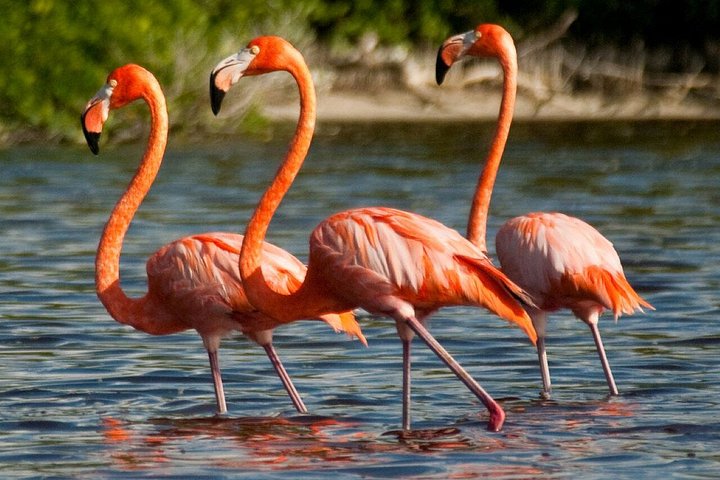
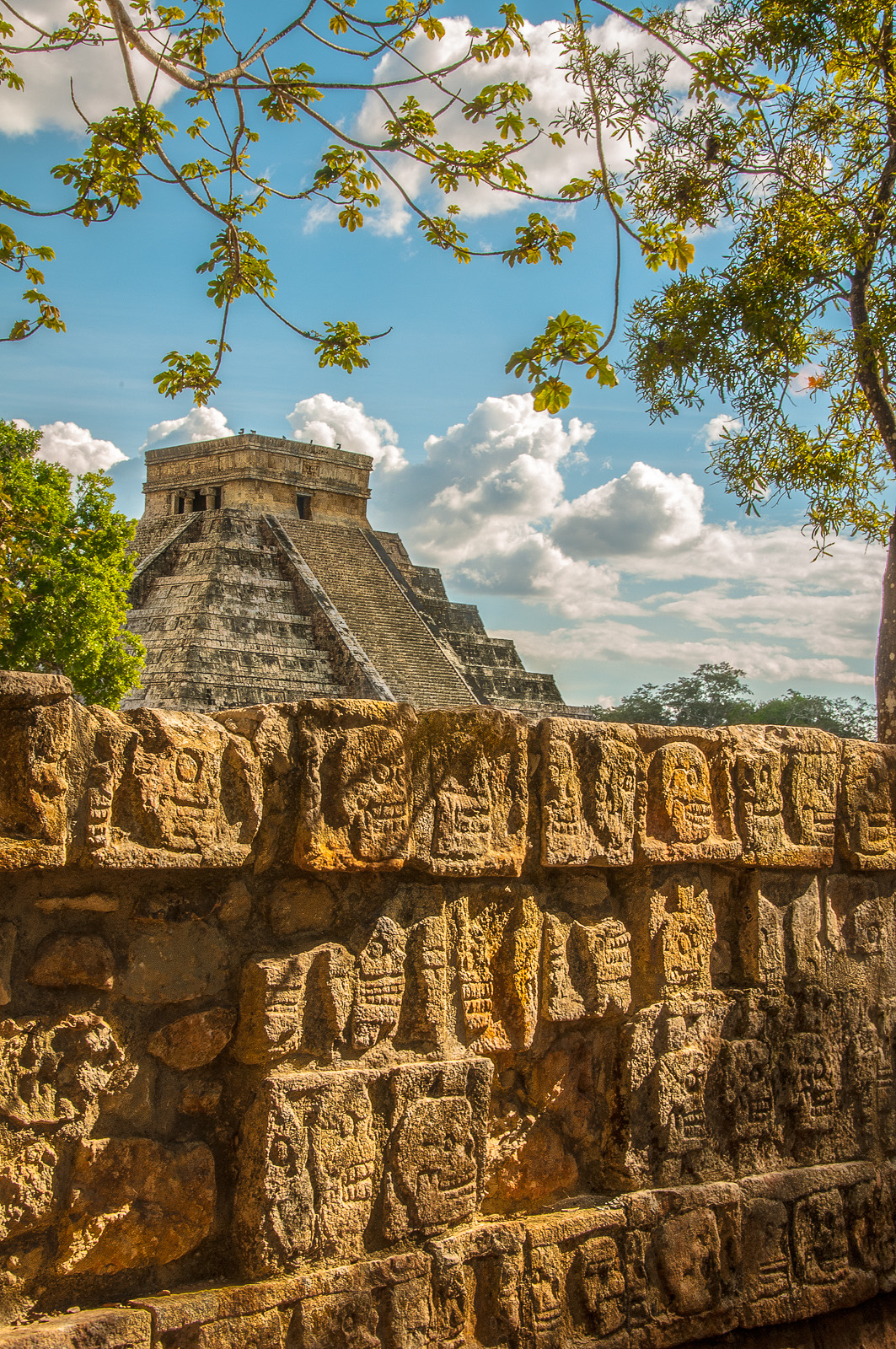
The cooler, drier season is the most popular time to visit, and for good reason. Days are warm and often sunny, evenings can be pleasantly cool, and humidity is lower, which makes long days at Chichén Itzá, Uxmal and the Puuc Route far more comfortable. It is also the best season for the flamingos at Celestún and Río Lagartos, which are most numerous in the cooler months. The downsides are crowds and prices. December to early January, around Christmas and New Year, and the weeks around Easter are the busiest times, and the best small hotels and tours can sell out well in advance. Book early, and consider January and early February for a balance of weather and slightly fewer visitors. A light jacket is useful for the occasional cooler evening or a strong northern wind.
April to June: the heat
From April the temperatures climb, and the late spring is the hottest and driest part of the year, before the rains begin. Afternoon heat can be intense, and long visits to open sites become tiring, so plan outdoor sightseeing for the early morning and the late afternoon, and use the middle of the day for museums, pools and long lunches. This is when a cenote swim is at its best, because the cool underground water is the perfect antidote to the heat. Crowds are thinner than in winter, prices can be lower and Mérida's evenings are lively, since people stay out until the air cools. Bring sun protection, a hat and a reusable bottle, and drink more water than you think you need.
July to October: the rainy season
The summer and early autumn bring humid weather and afternoon storms, often short and heavy rather than all day, and the landscape turns green. Many visitors find this a rewarding time, with quieter sites, lower prices and dramatic skies, but you should plan for the weather. Start sightseeing early, expect some afternoons to be wet, and carry a light rain jacket. This is also hurricane season for the Caribbean and the Gulf, and while Mérida is inland and usually less affected than the coast, it is wise to check forecasts and keep travel insurance in mind if you travel in the peak months of the season. Cenotes can be even more atmospheric in the rainy season, though water clarity may vary after heavy rain.
Festivals and events
The calendar has highlights worth planning around. Day of the Dead, around the first days of November, is celebrated in the Yucatán as Hanal Pixán, a tradition of altars, special foods and cemetery visits that is a window into local culture. The weeks before Lent bring Carnival, with parades and music, and the city hosts regular free events in the plazas, including the Sunday street closures that fill the centre with markets and music. Dates vary from year to year, so check before you book.
How to choose
If comfort and wildlife matter most, go between November and March and book ahead. If you want lower prices and are happy with heat, late spring is a good choice for cenotes and city life. If you like green landscapes and quiet sites and do not mind showers, the summer has a character of its own. In every season, start early, carry water, protect yourself from the sun and keep the middle of the day for rest. Whenever you go, the white city of the Yucatán rewards a slow pace. One more practical point is to think about your day-trip dates separately from your city dates. The big sites are busiest on weekends and holidays, when domestic visitors join the tour groups, so a weekday visit to Chichén Itzá or Uxmal is often calmer than a Saturday or Sunday. Meanwhile, the Sunday street closures in the centre of Mérida are a highlight in themselves, so it can be worth planning a city day for Sunday and saving the long drives for the weekdays.