Mérida is a superb base because almost everything worth seeing in the Yucatán can be reached on a day trip and followed by a good dinner in the city. The outings below are arranged roughly by distance, so you can decide how much of your day to spend in the car and what to combine. Travel times are approximate, since traffic, speed bumps in villages and the number of stops all change the day.
Within an hour: cenotes and haciendas
The closest outings are to the cenotes around Homún and Cuzamá, and to the henequen haciendas south and east of the city. A cenote day is the most refreshing option, and the visit to a hacienda such as Sotuta de Peón adds history to the swimming. These are half-day to full-day trips, suited to families, couples and anyone who wants something gentler than a ruins marathon. Go early, bring swimwear and a towel and keep some small bills for entrance fees and lockers.
About an hour and a quarter: Izamal and Uxmal
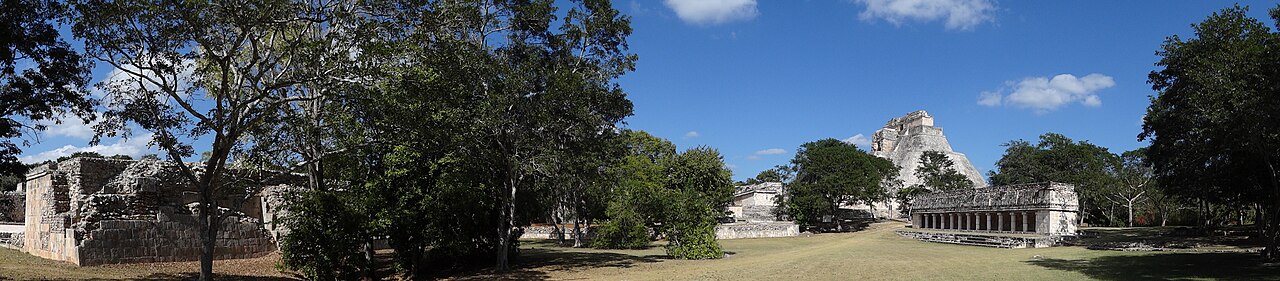
Izamal, the yellow city, is a pleasant half day of convent, pyramids and calesa rides, best in the golden afternoon light. Uxmal, the finest Puuc-style city, lies south of Mérida and is the best choice for travellers who want impressive architecture with fewer crowds than Chichén Itzá. You can add Kabah, Sayil and Labná on the Puuc Route if you want a longer day, and the whole outing makes a good counterpart to the east. A guided visit is worth the cost for the carvings.
About an hour and a half: Celestún
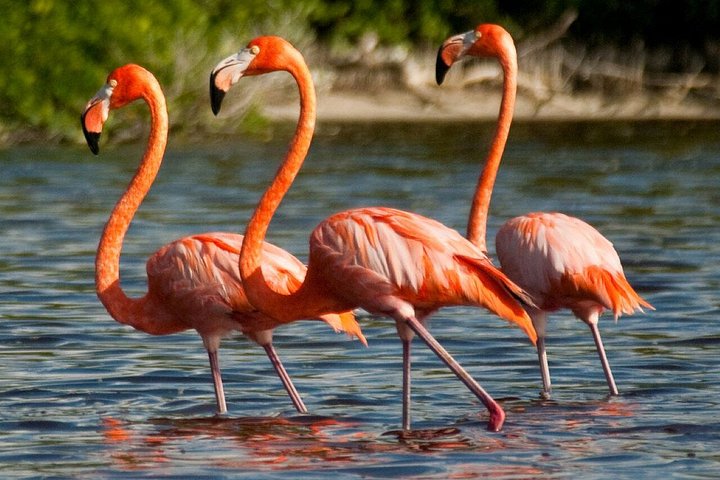
The fishing town and biosphere reserve on the Gulf coast is the best wildlife day trip, with a boat through the mangroves to see flamingos on the shallow flats, followed by a seafood lunch and an hour or two on a quiet beach. It is at its best from November to March, when the flamingos are most numerous, and it is a good choice for nature lovers and children who like boats.
About two hours: Chichén Itzá and Valladolid
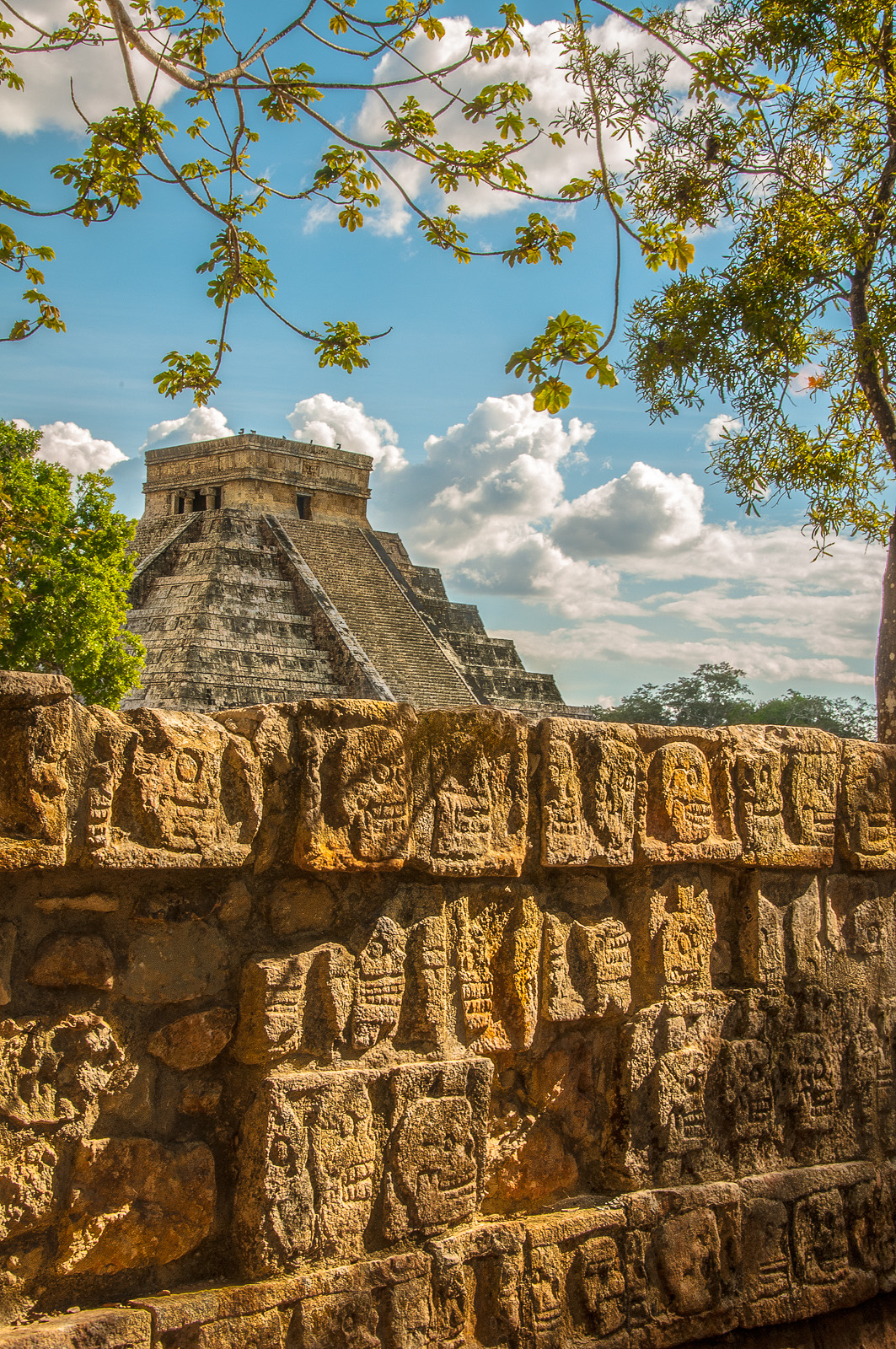
Chichén Itzá is the headline trip, and it is easy to combine with Ik Kil cenote and Izamal on a long day. Arrive early, check the ticket rules, and remember that the pyramid cannot be climbed. Valladolid is the colonial town of the east, with a convent, a leafy plaza and the cenotes of Suytun and Oxman nearby, and it makes a good alternative or a companion to the ruins if you want swimming and a stroll rather than archaeology. Ek Balam, a quieter Maya site north of Valladolid, adds about half an hour and suits those who want a second ruin without the coaches.
Three hours and beyond: Río Lagartos, Las Coloradas and Campeche. The long runs are worth it only if you are prepared for a very early start. The north-east coast has the flamingo lagoons of Río Lagartos and the pink salt ponds of Las Coloradas, a pairing that is unforgettable for photographers. Campeche, the walled Gulf port, is a fine contrast to Mérida, with pirate-era forts and pastel streets, but it is far better as an overnight than as a single, very long day. If you are tempted by either, consider travelling by guided tour so that someone else drives, and carry snacks for the road.
Choosing a style
You can drive yourself, hire a driver, take a small-group van or join a larger coach tour. Driving gives the most freedom and works well for Uxmal, Izamal and the Puuc Route, where the roads are quiet, but parking at the busiest sites and speed bumps in villages require care. A guided small group is the simplest way to do Chichén Itzá, Celestún and the cenotes, since transport, tickets and a guide are handled for you. Colectivos and buses are cheaper but slower and suit confident travellers with time to spare.
Combining days
A balanced week mixes a ruins day, a nature day and a swimming day with slow days in the city between them. If you have three days, take Chichén Itzá with a cenote and Izamal, Uxmal with the Puuc Route, and Celestún or the Homún cenotes. If you have five, add Valladolid and Ek Balam and a hacienda day. Whatever you choose, remember that the heat and the roads make every day longer than the map suggests, so leave time for rest.