The Jewish Museum Milwaukee is a small, thoughtful museum on the city's east side, and it tells the story of Jewish life in Milwaukee and the wider state. Its exhibitions use objects, photographs and personal stories to show how a community arrived, built institutions and made a home in a Midwestern city. It is the kind of museum that gives a different view of the places you may already have seen, since Jewish merchants, brewers, artists and civic leaders have shaped many parts of Milwaukee. The museum is a good fit for adults and older children with an interest in history and immigration, and for anyone who likes small museums that can be seen in an hour or two. It also runs talks, tours and events, so check the website for the current program, opening hours and admission details before you visit. Because it is small, it pairs easily with other sights on the east side, such as the lakefront and the museums on the Milwaukee Museum Mile.
Planning
Check the museum's website for opening hours and any scheduled tours, since small museums often have limited days. The museum is in a residential and cultural area of the east side, within reach of the lakefront and other museums, and street parking and public transit are available, but check the options on the website. Allow an hour or two, and consider joining a guided tour or a talk if one is offered on the day you visit.
What to expect
Exhibitions that mix photographs, documents and objects with first-person stories, arranged to show the history of the community over time. The tone is personal and inclusive, with attention to both celebrations and hardships. The museum also hosts rotating displays, so the exhibition you see may differ from earlier visits. Visitors of all backgrounds are welcome, and the staff are usually glad to answer questions.
Making the most of it
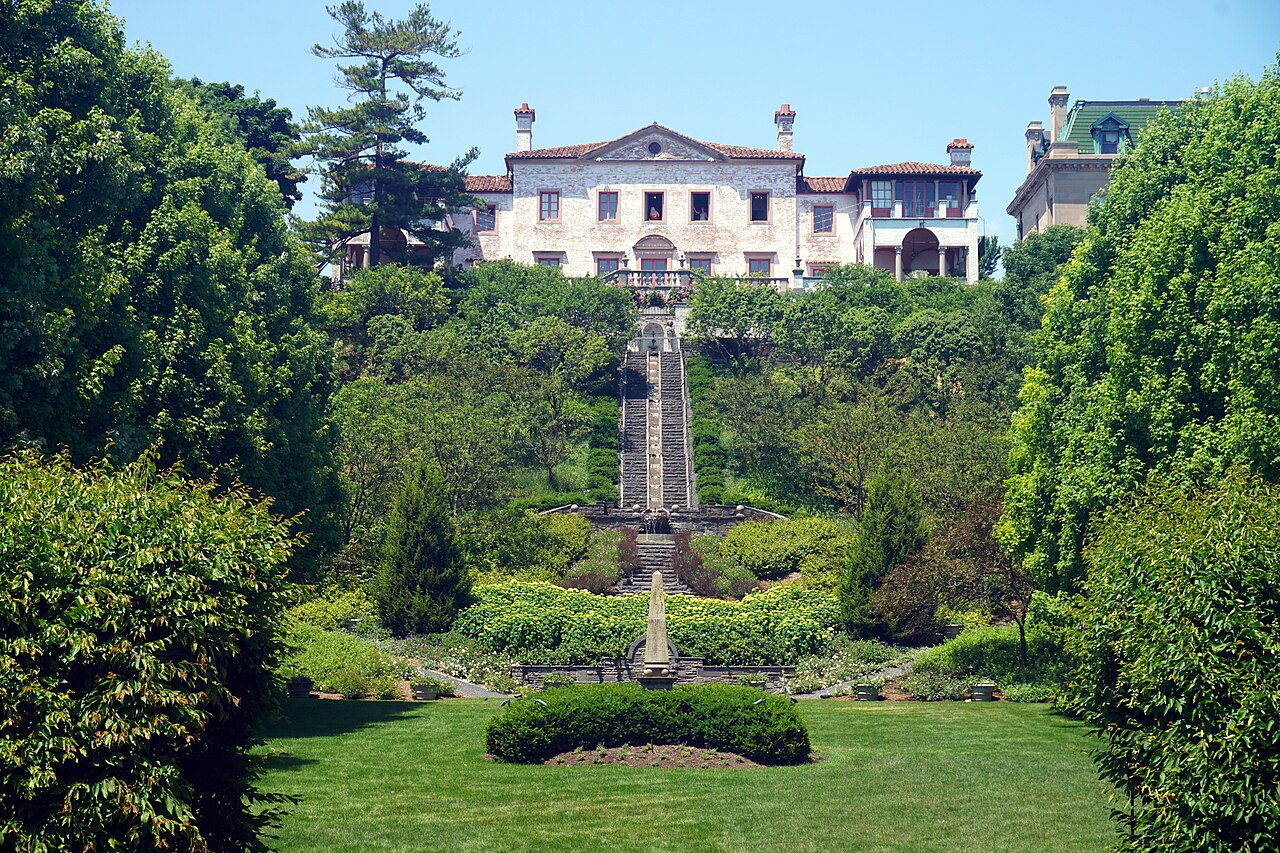
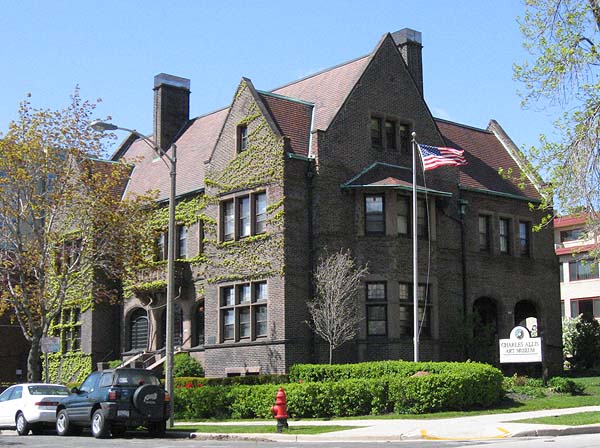
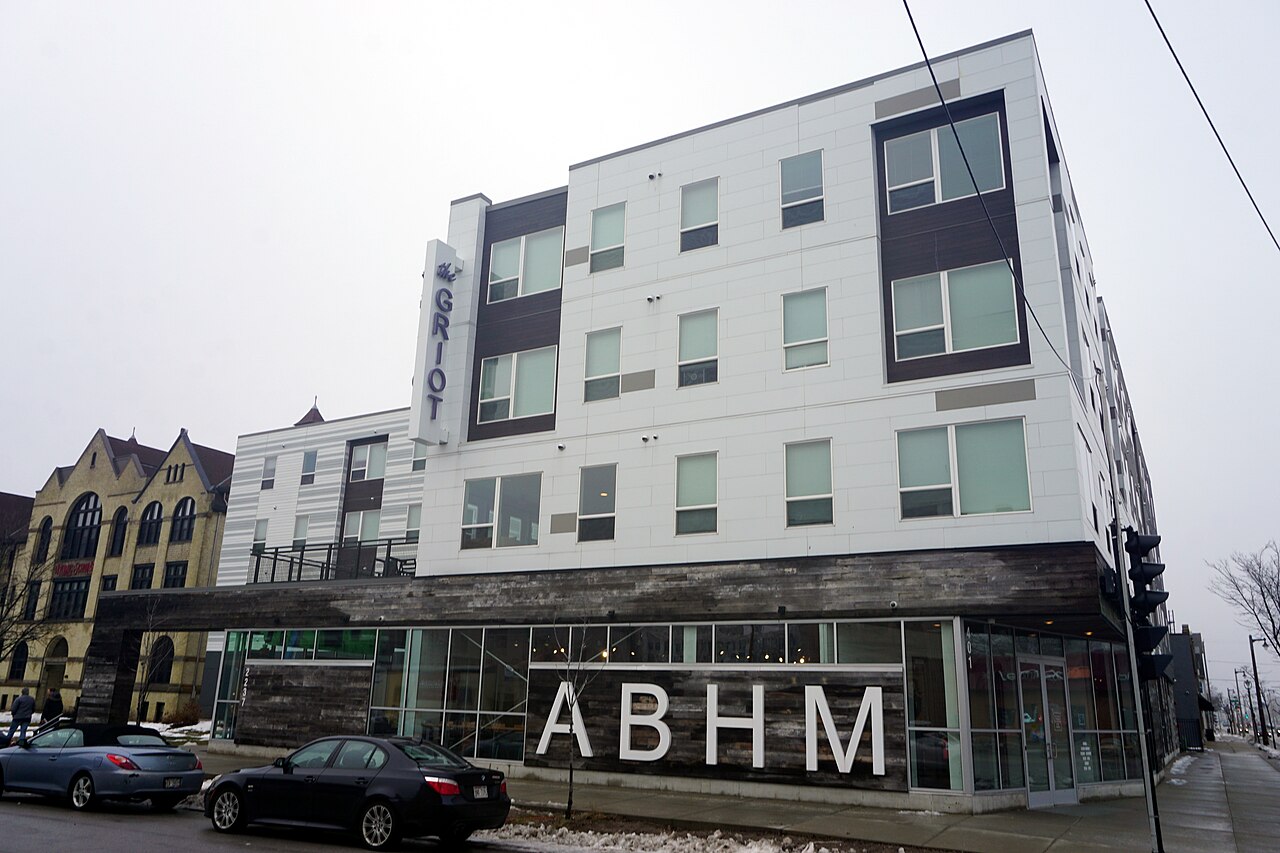
Combine the visit with other sights on the east side, such as the Charles Allis Art Museum, the Villa Terrace Decorative Arts Museum or a walk along the lakefront. Together they make a full day of small museums and good architecture, with cafes and restaurants nearby. If you are interested in the broader history of immigration in the city, pair this museum with the Milwaukee Public Museum or the America's Black Holocaust Museum for a fuller picture of the many communities that built Milwaukee.
Bring a notebook if you enjoy making notes, and ask the staff about any recommended reading. Because the program changes, check the website for talks, film screenings and tours, which can add depth to a visit. A quieter weekday visit gives you more time with the exhibits. The museum is a good rainy-day option and a good choice for visitors who prefer reflective, story-led experiences to large attractions.
One more tip
Small museums often have staff and volunteers who know the collection well, so do not be shy about asking questions. If a tour is offered, it is usually worth the time, since a guide can point out details you might miss. Check whether the museum has a shop or a reading list for those who want to continue learning after the visit.
What to expect
The experience
A small museum on the east side telling the story of Jewish life in Milwaukee and Wisconsin.
Best time
Weekday daytime; check opening days on the website.
How long
About one to two hours.
Tips
Check the website for tours, talks and hours, which vary.
Quick picks
- Best for
- History lovers and visitors interested in immigration and community stories.
- Families
- Better for older children; check the current exhibitions.
- Couples
- A reflective, quiet outing.
- Pair with
- The Charles Allis Art Museum or the Villa Terrace Decorative Arts Museum.
- Time needed
- One to two hours.
Good questions
What does the museum cover?+
The history of Jewish life in Milwaukee and Wisconsin, through exhibitions, objects and personal stories.
How long should I allow?+
About an hour or two.
Where is it?+
On the east side of Milwaukee, near the lakefront.
Are tours available?+
Check the website for tours and programs, which change.
Is it suitable for children?+
Mostly for older children; check the current exhibitions.