Most visitors arrive in Montego Bay for the beaches, but the town and the country around it hold some of the most important history in the Caribbean. Sugar, slavery, rebellion and freedom all left their mark on this coast, and so did the music and spiritual life that grew out of them. A little time spent on that story makes the whole trip richer, and it is easy to fit in around a beach holiday.
Start downtown with Sam Sharpe Square
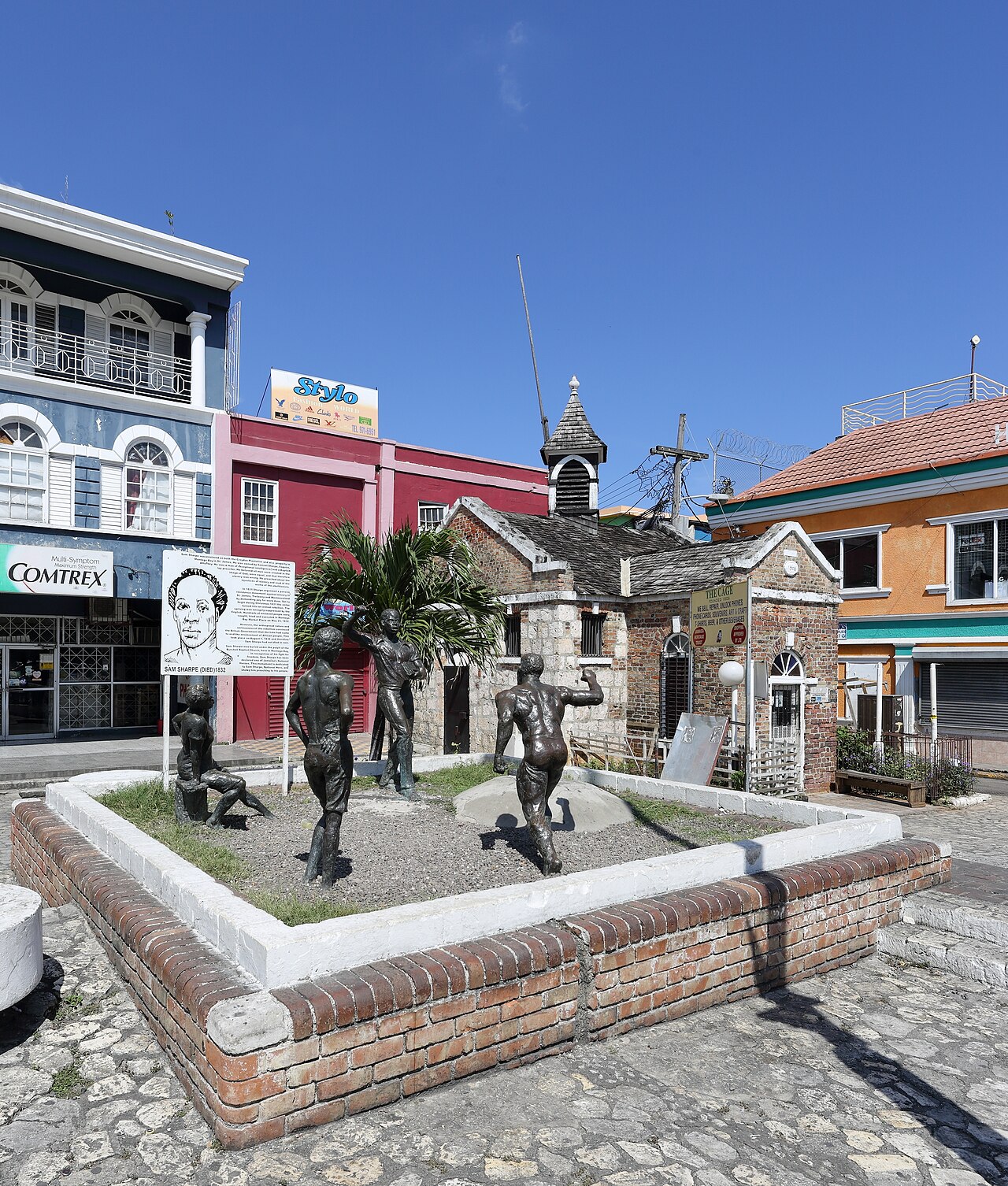
The square in the middle of Montego Bay is named after Samuel Sharpe, the Baptist deacon who organised the 1831 Christmas Rebellion, a mass strike that grew into the largest slave uprising in the British Caribbean. The rebellion was crushed and Sharpe was executed, but it helped push Britain towards abolition, and Sharpe is now a national hero. The square holds a memorial to him and the old Cage, a small lock-up where runaways were once held. Spend half an hour here before you do anything else, then take the city highlights tour to see the craft market and the old fort in the same outing.
Visit the great houses with open eyes
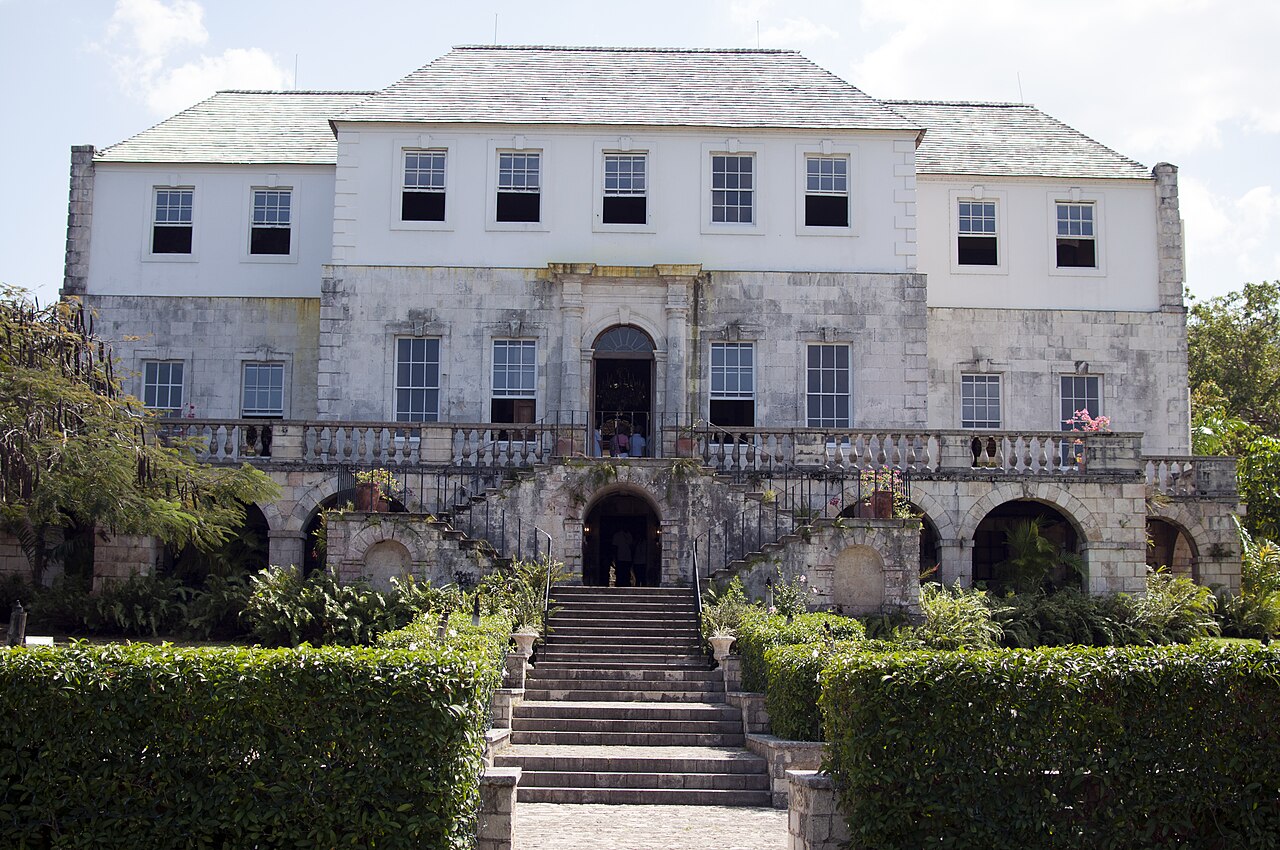
Rose Hall Great House is the most famous, and its story of Annee Palmer, the so-called White Witch, is told with theatrical relish on the tours. The ghost stories are fun, but the house is also a monument to the plantation economy that was built on enslaved labour, and the better guides set the legend beside the history. Nearby Cinnamon Hill Great House offers a quieter visit, with its link to Johnny Cash and June Carter Cash and sea views from the terrace. Greenwood Great House, further east, holds a collection of antiques, musical instruments and books from the plantation era, and gives a more intimate sense of life in a planter’s home. Visiting two or three of these houses side by side shows how different the stories can be.
Go to Accompong to hear the other side
The plantation houses tell the story of the planters. Accompong tells the story of those who refused to be enslaved. The Maroons, descendants of Africans who escaped into the mountains and fought the British to a standstill, signed a treaty in 1739 that recognised their freedom and gave them land. Accompong, in the hills of Cockpit Country, is one of the communities that kept that land and that identity, and a day trip with local guides takes you to the Peace Cave, the old settlement and the places where the Maroon leader Cudjoe is remembered. It is a long day on a winding road, but it is one of the most memorable things you can do from Montego Bay. If you prefer something more active, the Quashie River hike takes you through the same wild limestone landscape on foot.
Meet Rastafari culture
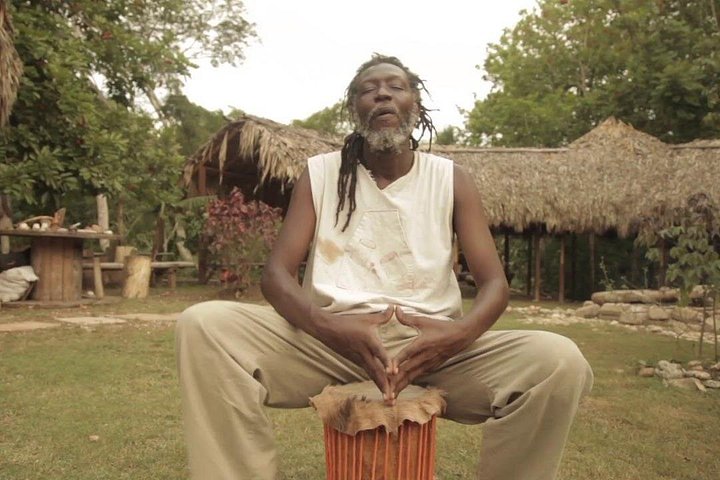
Rastafari grew out of Jamaica in the 1930s, with roots in the Back-to-Africa ideas of Marcus Garvey, and it shaped reggae, diet, dress and spiritual life across the island. Today you can learn about it at first hand in Montego Bay and its surroundings. The Rastafari Indigenous Village shows traditional living, crafts and the Ital diet, the plant-based cooking linked to the faith. The Ras Natango Gallery and Garden offers a calmer, more personal visit to a Rastafarian artist’s studio and herb garden, and Bob Marley’s Nine Mile, in the hills of St. Ann, is the birthplace and mausoleum of the musician who took Jamaican music to the world. Together they give a rounded picture, from art and philosophy to reggae. Treat each visit as a conversation: ask questions, listen and buy directly from the people who make the things.
Taste the history
Food is culture too. Jerk, the smoky pimento-wood barbecue that Jamaicans love, has roots in the cooking of the Maroons and of the Taino before them, and a jerk and rum punch tour in Montego Bay is a good way to taste that heritage. A cooking class in the countryside shows how ackee and saltfish, rice and peas, callaloo and festival fit together. For rum, Appleton Estate in St. Elizabeth and Hampden Estate in Trelawny offer two very different views of the sugar industry, from the cane fields to the distillery, and can both be combined with the more scenic stops described elsewhere in this guide.
Make it a simple plan
If you have only a day, combine the city highlights tour with Rose Hall Great House, and finish with a jerk dinner on the Hip Strip. With two days, add Accompong or the Rastafari village. With three, include Nine Mile and a cooking class. Wear comfortable shoes, carry small cash for crafts and tips, and be respectful at memorials, sacred sites and in communities, asking before you photograph people. Most tours include hotel pickup, which makes the logistics easy.
Why it is worth the time
Montego Bay can be experienced as a beach town and nothing more, and that is a perfectly good holiday. But the places in this guide give the island a voice: the rebel deacon in the square, the free people in the hills, the artists, cooks and musicians who carry the culture forward. Spending even a day on that story will change how you see everything else, from the music in the bars on the Hip Strip to the plate of jerk at your table.