Tucked away at the end of Malabar Hill, behind the tall residential towers and the governor’s residence, lies one of Mumbai’s oldest and most atmospheric places: the Banganga Tank. Surrounded on all sides by temples, stone steps, shrines and old dharamshalas, the rectangular freshwater tank feels like a piece of a medieval pilgrimage town dropped into the middle of the modern city. Tradition links the site to the Silhara rulers, who are believed to have built the Walkeshwar temple here around the twelfth century, and to the story of the god Rama, who is said to have created a spring here by shooting an arrow, giving the name Banganga, or river of the arrow. A guided walk is the best way to understand it. Your guide explains the legends, the ritual role of the tank for Hindu families who come to bathe, perform ceremonies and scatter ashes, and the history of the temple complex that was rebuilt in the eighteenth century after being destroyed by the Portuguese. You also learn about the small community of priests and families who still live around the tank, the way the steps and platforms are used for festivals, and how the surprising freshwater spring has survived beside the salt sea. The Walkeshwar area has a calm that feels worlds away from the Causeway or Marine Drive.
How to visit
Banganga is in Walkeshwar on the southern tip of Malabar Hill, about fifteen to twenty minutes by taxi from Colaba or Marine Drive outside rush hours. The guided walk is short, usually around an hour to ninety minutes, and it is best done in the early morning or around sunset, when the light is soft and the tank is most active.
Dress modestly with covered shoulders and knees, remove your shoes before entering temples, and carry small change for any donation or shoe keeper. The steps are old and can be slippery, so wear sturdy sandals or shoes that are easy to take off.
What to expect
This is a working religious site, not a museum, and visitors are guests. You will see families gathering for rituals, priests at the edge of the water, pigeons on the stone steps and the surreal contrast of high-rise buildings rising behind the temple roofs.
Photography is usually tolerated in the open areas, but do not photograph people at prayer without asking, and avoid intrusive pictures during ceremonies. The tank is especially lively during festivals, notably the Banganga Festival, a music event once held in the winter months, so check what is happening during your trip.
Making the most of it
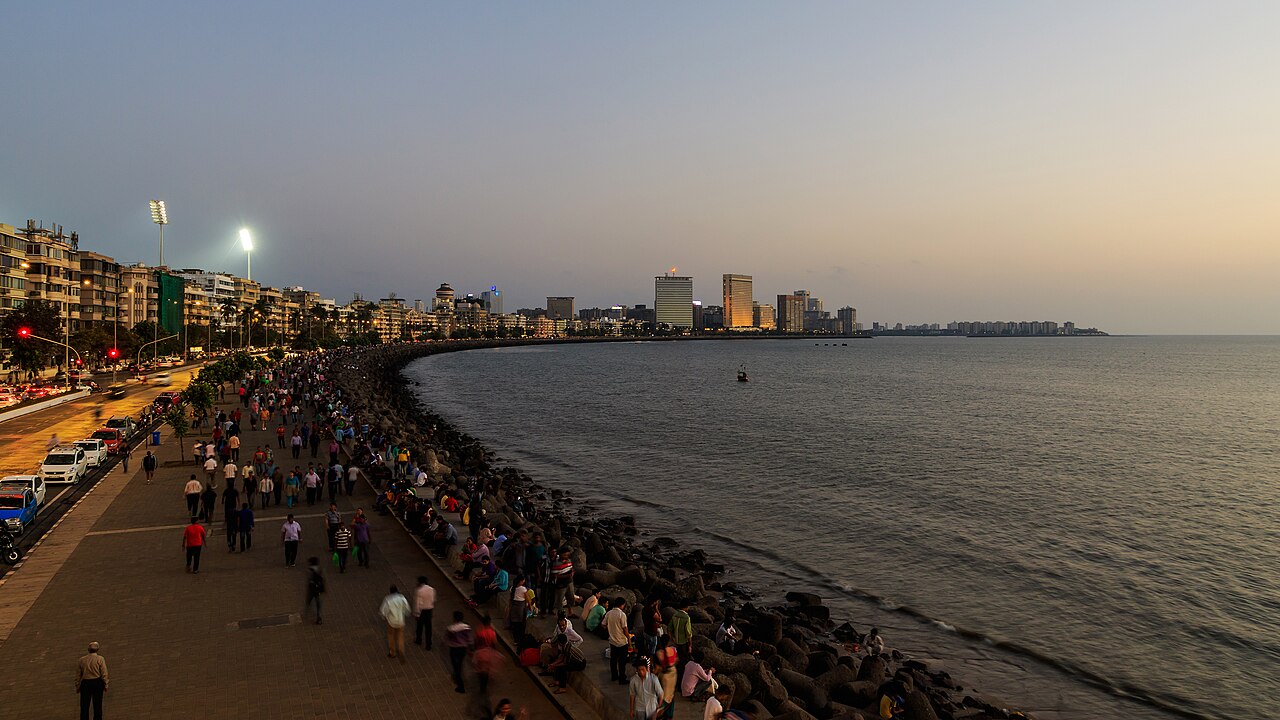
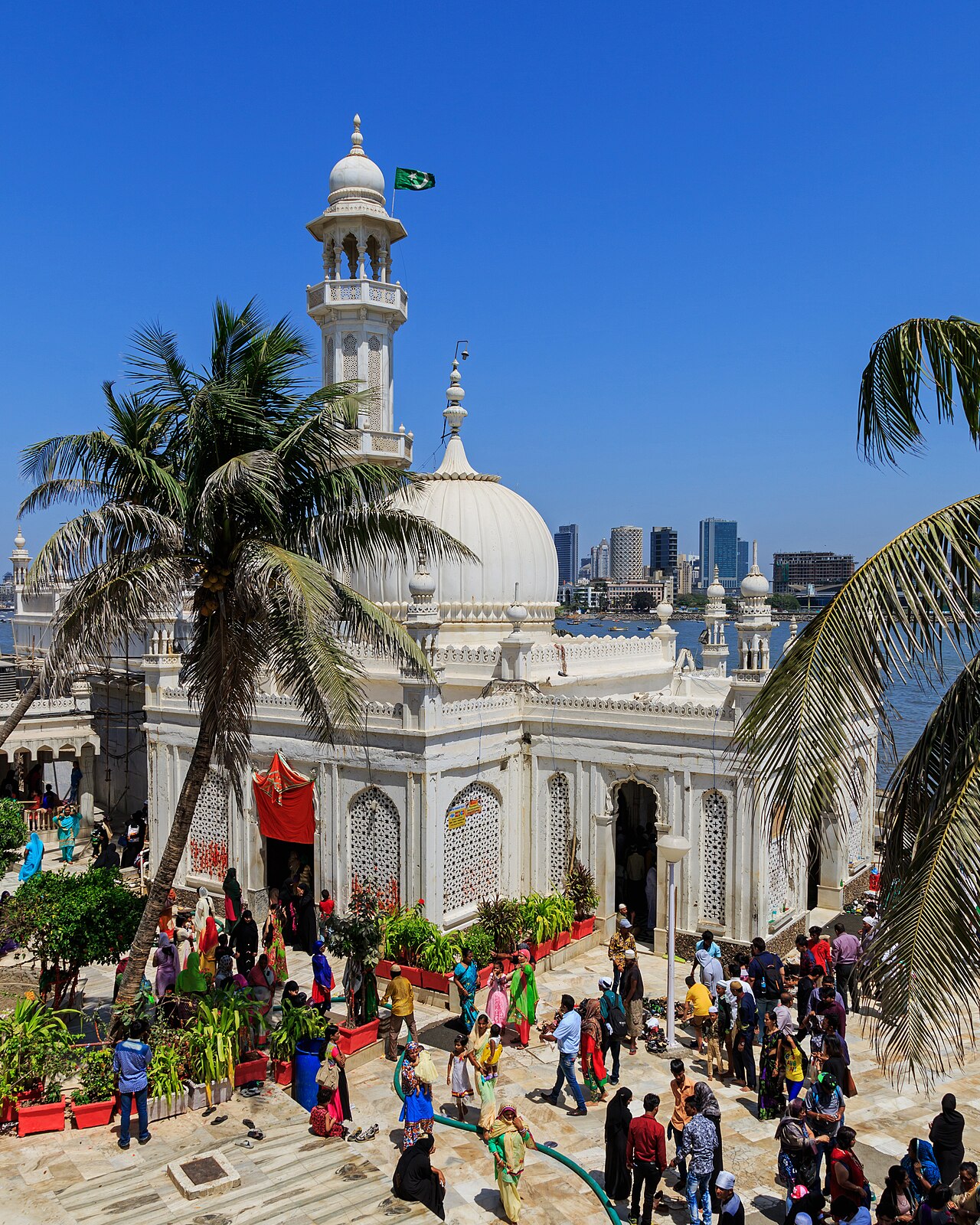
Combine the walk with the nearby Hanging Gardens and the Jain temple on Malabar Hill, or with the seafront at Chowpatty and the Gandhi memorial at Mani Bhavan, which are not far away. The tour pairs well with a late-afternoon visit to Haji Ali Dargah and a sunset on Marine Drive, which gives you a full day of the west coast. If you are visiting in the heat of the day, bring water and a hat, and remember that the quiet and the shade of the old buildings make this one of the calmest corners of the city.
What to expect
The experience
A short guided walk around a sacred freshwater tank and its ring of temples and old stone steps on Malabar Hill.
Best time
Early morning or late afternoon, when the light is soft and ritual activity is at its liveliest.
How long
About an hour to ninety minutes at the site, plus the taxi ride from other parts of South Mumbai.
Tips
Dress modestly, wear shoes that slip off easily, carry small change and ask before photographing people at prayer.
Quick picks
- Best for
- Curious travellers, photographers and anyone who wants a quiet, authentic corner of old Mumbai.
- Families
- Older children enjoy the stories, though the steps are slippery and the site is a place of worship.
- Couples
- A peaceful and unusual spot for an early-morning or sunset walk.
- Pair with
- The Hanging Gardens, Haji Ali Dargah and sunset on Marine Drive.
- Time needed
- Two hours including the taxi ride and a short stop nearby.
Good questions
What is the Banganga Tank?+
It is an ancient freshwater tank in Walkeshwar on Malabar Hill, surrounded by temples and old houses. Tradition links it to the god Rama and to the Walkeshwar temple, believed to date from the Silhara period.
Is there an entry fee?+
The tank is a public religious site that is generally free to enter. A guided tour has its own price, and you may wish to carry small change for shoe keepers or donations.
What should I wear?+
Dress modestly, with covered shoulders and knees, and wear shoes that are easy to remove. The stone steps can be slippery, so choose sturdy footwear.
When is the best time to visit?+
Early morning and late afternoon are the best times, when it is cooler and ceremonies are under way. Mid-afternoon in the heat is the least pleasant time.
Can I take photographs?+
Usually yes in open areas, but ask before photographing people at prayer and avoid intrusive pictures during rituals. Be respectful, because it is a working sacred site.