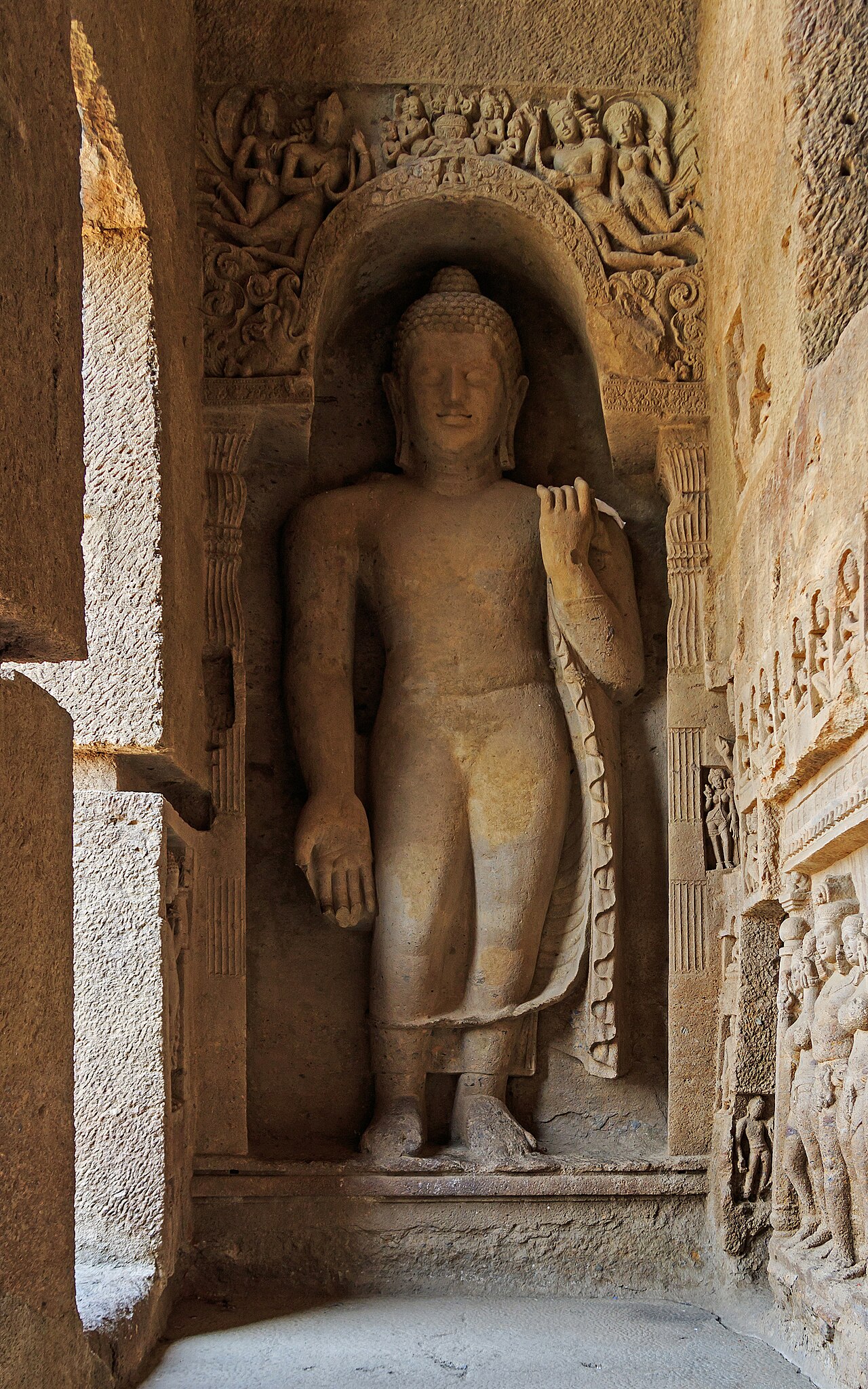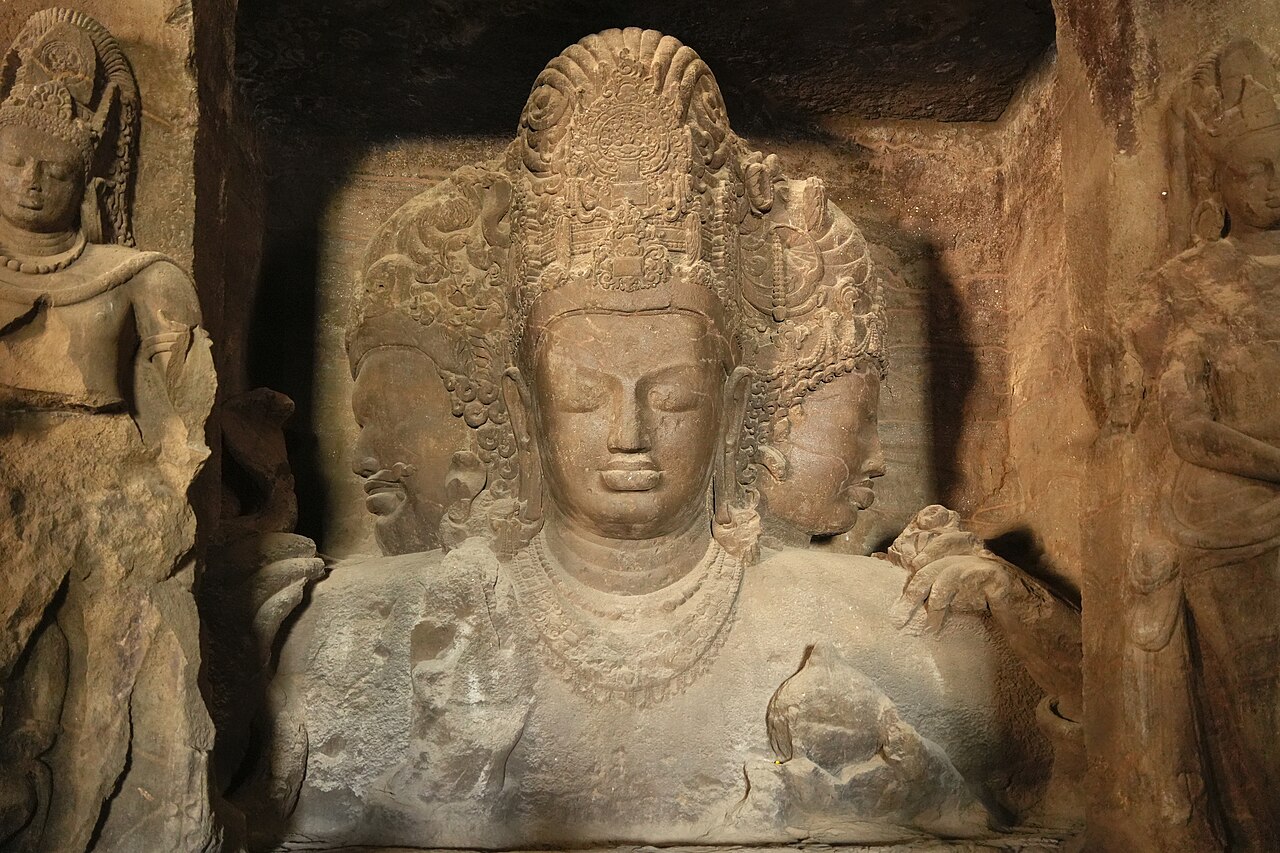
Elephanta Island sits in Mumbai Harbour roughly ten kilometres from the city, and its hilltop caves are among the great monuments of early Hindu art. Cut from solid basalt rock between about the fifth and seventh centuries, the main Great Cave is a columned hall dedicated to Shiva, filled with monumental carvings on the walls. The showpiece is the three-headed Sadashiva, also called the Trimurti, a towering bust that shows Shiva as creator, preserver and destroyer. Panels nearby depict the dancing Nataraja, the half-male, half-female Ardhanarishvara and Shiva’s marriage to Parvati. UNESCO lists the island as a World Heritage Site, and the place has a gentle, green calm that contrasts sharply with the city across the water. The island is also home to a small village and plenty of macaques.
How to visit
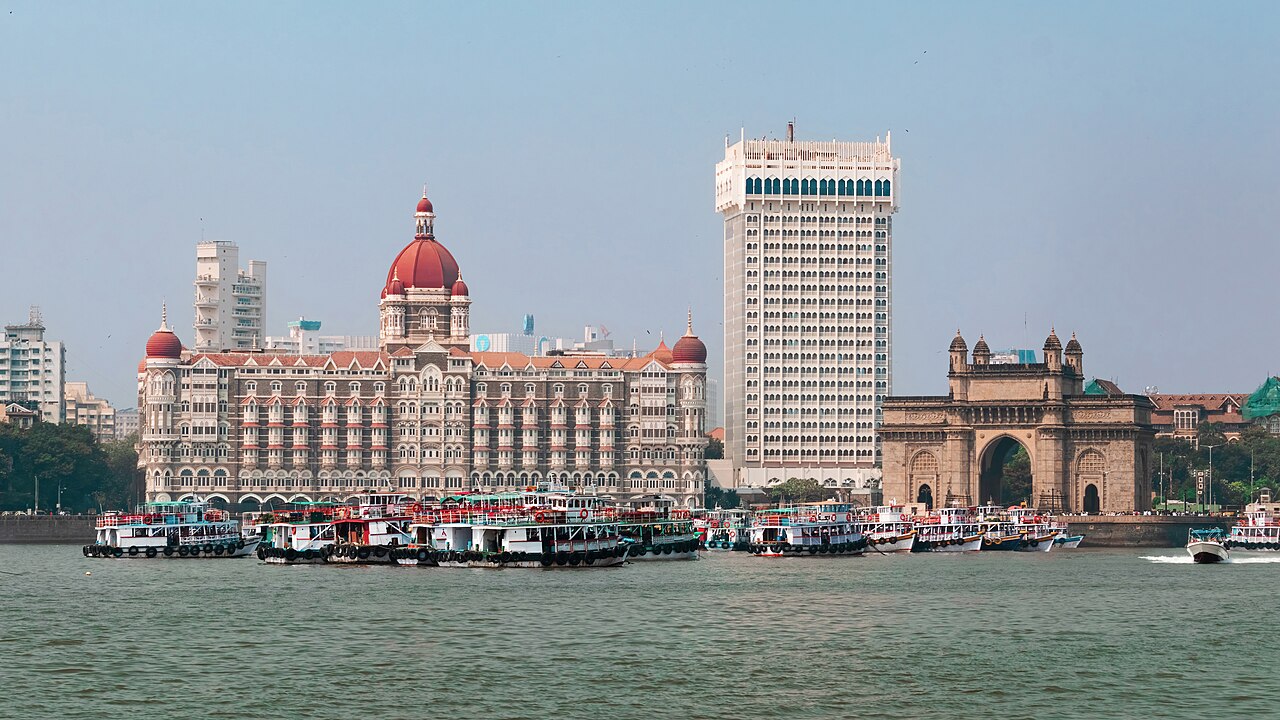
Ferries run from the jetties beside the Gateway of India and take roughly an hour each way. The national tourism board lists opening hours of 9:00 to 17:30, and the caves are normally closed on Mondays, so check before you go. Ferries are suspended in the heavy monsoon, which is not a concern in November, but sea conditions can still affect crossings.
On the island you walk up from the jetty along a stone staircase lined with souvenir stalls, pay a separate entrance fee for the caves, and then climb to the Great Cave.
What to expect
Allow around five hours door to door. The tour includes the admission ticket, the ferry tickets, an English, Hindi and Marathi speaking guide, bottled water and optional hotel pickup, and it meets at Apollo Bandar in Colaba. Wear comfortable shoes and a hat, carry water, and keep food out of sight, because the monkeys are bold. There is little shade on the staircase, and it can be steamy even in the cooler months.
Making the most of it
Take an early ferry to reach the caves before the crowds, spend most of your time in the Great Cave where a guide explains the carvings, and linger at the top viewpoint before heading down for lunch at one of the simple island cafés. The return ferries run through the afternoon, so confirm the last departure.
What to expect
The experience
A ferry crossing from the Gateway of India, a walk up the island’s stone staircase and a guided visit to the Great Cave and its carved Shiva panels.
Best time
A weekday morning from October to March, taking an early ferry for cooler air, softer light and thinner crowds.
How long
Five to six hours including the crossing each way, the climb and time in the caves.
Tips
Check the Monday closure, wear sturdy shoes, carry water and a hat, and keep snacks zipped away from the monkeys.
Quick picks
- Best for
- History and art lovers and anyone who wants a boat trip and a break from the city.
- Families
- Older children enjoy the ferry and the monkeys, but the staircase and heat are tiring for toddlers.
- Couples
- A calm, atmospheric half-day with sea views and ancient sculpture.
- Pair with
- The Gateway of India before the ferry and the CSMVS museum afterwards.
- Time needed
- A morning to mid-afternoon, depending on ferry times.
Good questions
How do you get to the Elephanta Caves from Mumbai?+
Take a ferry from the jetties beside the Gateway of India; the crossing takes roughly an hour. A guided tour bundles the ferry tickets, the cave admission and a guide.
Are the Elephanta Caves open on Mondays?+
They are normally closed on Mondays, so plan your trip for another day and check before you go. Hours are listed by the national tourism board as 9:00 to 17:30.
What is the best time of year to visit Elephanta?+
October to March has the most comfortable weather and reliable ferries. Ferries are suspended during the heaviest monsoon weeks, so avoid midsummer.
What can you see in the Elephanta Caves?+
The main draw is the Great Cave with its three-headed Sadashiva sculpture, plus carved panels of Nataraja, Ardhanarishvara and Shiva’s marriage. The caves date from roughly the fifth to the seventh century.
Is the climb to the caves difficult?+
It is a long stone staircase with little shade, manageable for most people who take it slowly. Wear sturdy shoes, carry water and rest on the way.