 Free
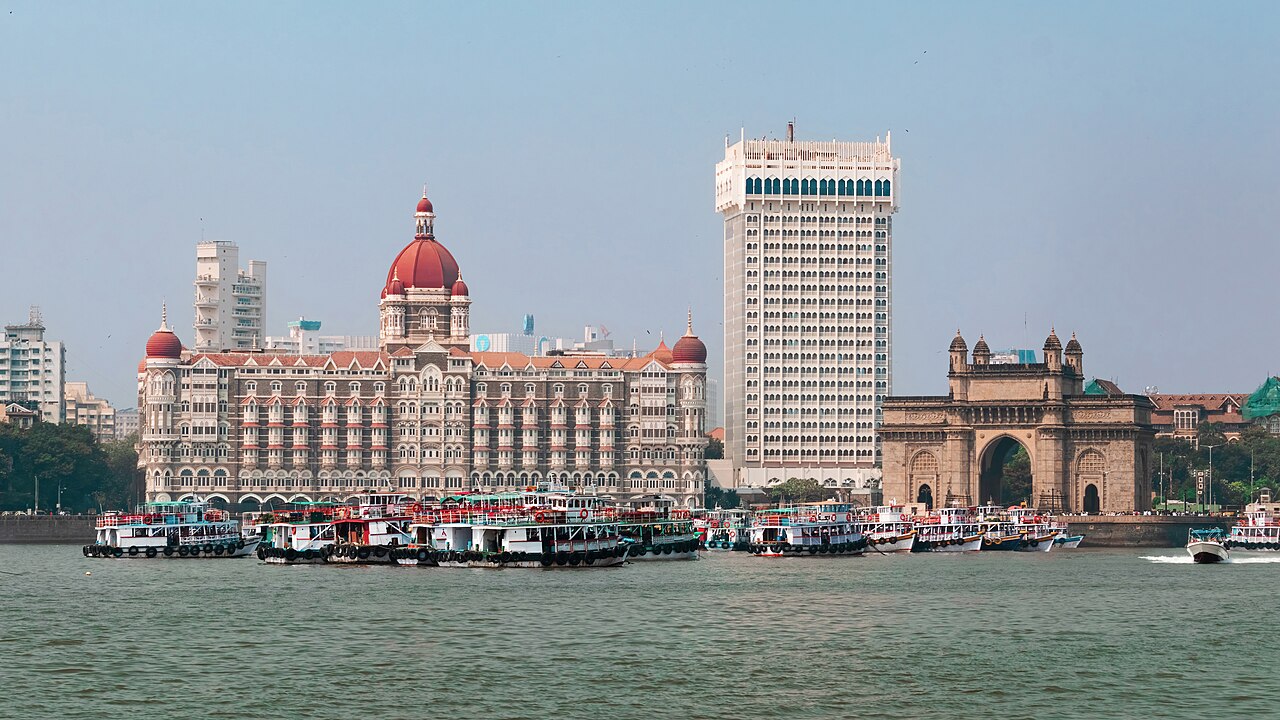
Gateway of India
The 26-metre yellow basalt arch on the Colaba waterfront that became Mumbai’s postcard and the departure point for ferries to Elephanta Island. Free to visit at any hour; best at sunrise or after dark.
30-60 minutesDetails →
India
Mumbai is India’s island megacity, a crowded, restless, endlessly inventive port where Victorian Gothic railway stations, Art Deco apartment blocks and glass towers share a skyline with fishing villages and sea-facing promenades.
The city grew from seven islands, and its great monuments still sit around the harbour: the basalt Gateway of India, the Indo-Saracenic museum beside it, the spired Chhatrapati Shivaji Maharaj Terminus and the long curve of Marine Drive at sunset. A ferry from the Gateway crosses to Elephanta Island and its rock-cut Shiva temples, the white-domed Haji Ali Dargah stands out on its causeway in the sea, and 2,000-year-old Buddhist caves hide in the forest of Sanjay Gandhi National Park, inside city limits. Beyond the monuments are the experiences that make Mumbai what it is: a walk through the working lanes of Dharavi with a resident guide, an evening street food crawl from Chowpatty to Mohammed Ali Road, and a behind-the-scenes day at a Bollywood film studio. This guide picks the sights and tours worth planning, flags the closing days and practical limits, and shows how to fit them into a first trip.
Gateway of India
The 26-metre yellow basalt arch on the Colaba waterfront that became Mumbai’s postcard and the departure point for ferries to Elephanta Island. Free to visit at any hour; best at sunrise or after dark.
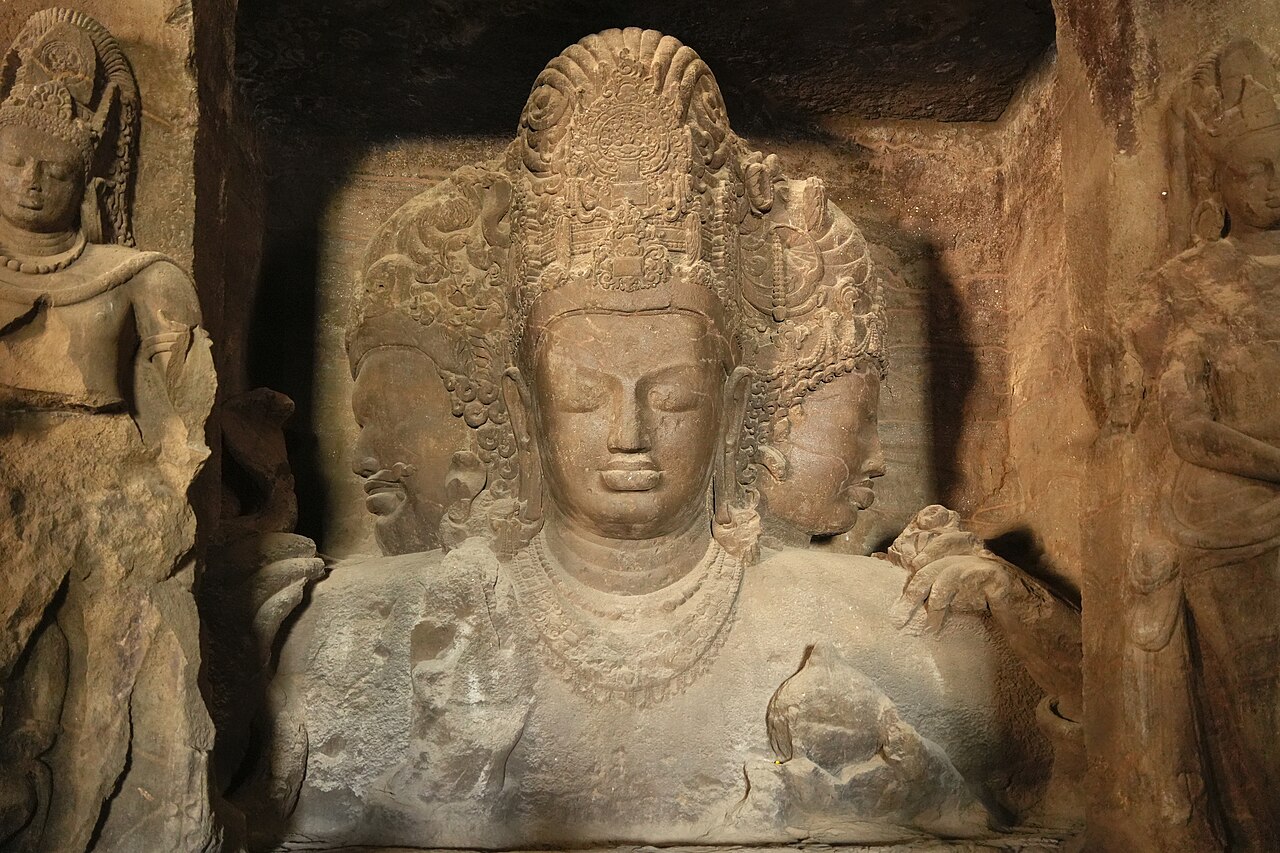
Elephanta Caves
A UNESCO World Heritage island of rock-cut Shiva temples, reached by a ferry of about an hour from the Gateway of India. A guided half-day with ferry and entry tickets included is the easy way to go.
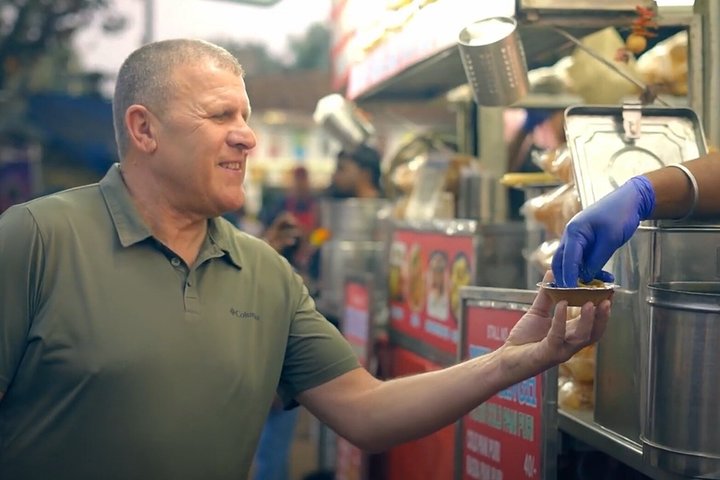
Mumbai Street Food Tour
An evening guided food crawl from Chowpatty Beach through the Bhuleshwar eating lanes to Mohammed Ali Road, with unlimited tastings and a century-old sweet shop at the end. Small groups, about three and a half hours.
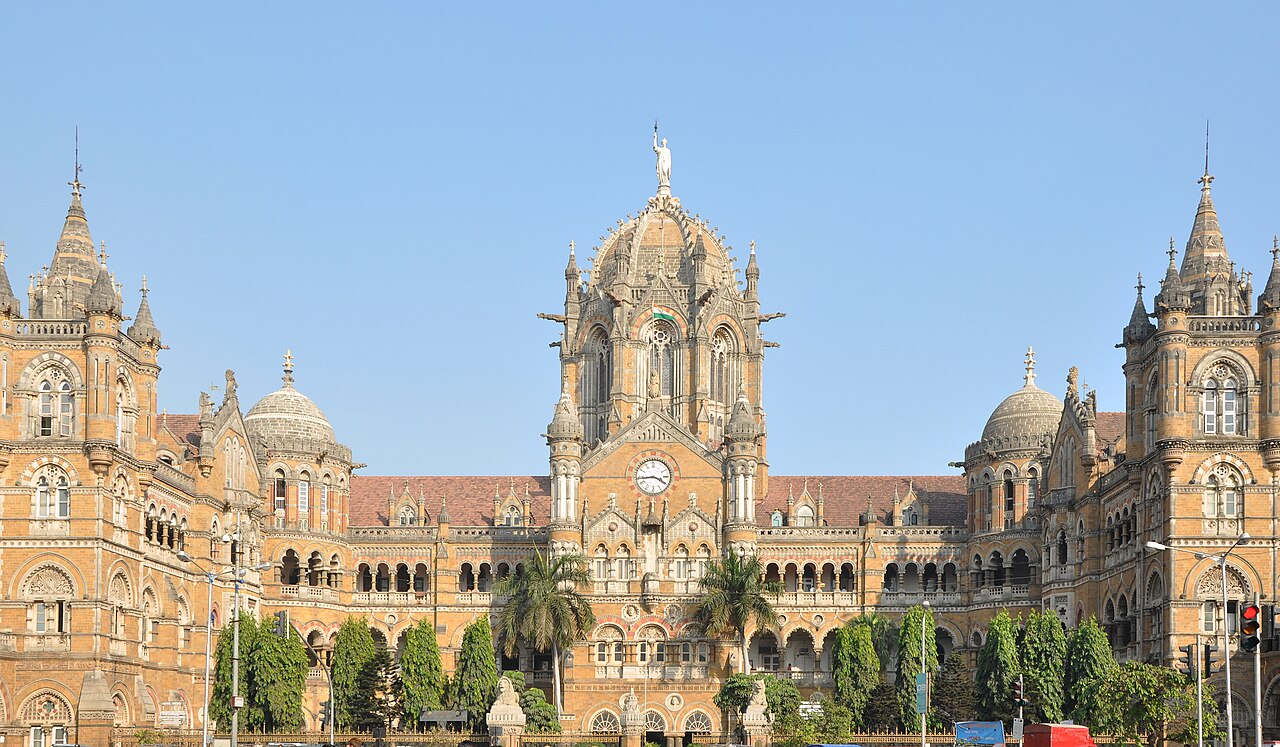
Chhatrapati Shivaji Maharaj Terminus
The Victorian Gothic railway station with a stone dome, turrets and carved lions, still used by millions of commuters and a UNESCO World Heritage Site. Free to see from outside and in the concourse.
Hand-picked: every experience here has strong traveler reviews and a verified booking link.
FreeThe 26-metre yellow basalt arch on the Colaba waterfront that became Mumbai’s postcard and the departure point for ferries to Elephanta Island. Free to visit at any hour; best at sunrise or after dark.
A UNESCO World Heritage island of rock-cut Shiva temples, reached by a ferry of about an hour from the Gateway of India. A guided half-day with ferry and entry tickets included is the easy way to go.
FreeThe Victorian Gothic railway station with a stone dome, turrets and carved lions, still used by millions of commuters and a UNESCO World Heritage Site. Free to see from outside and in the concourse.
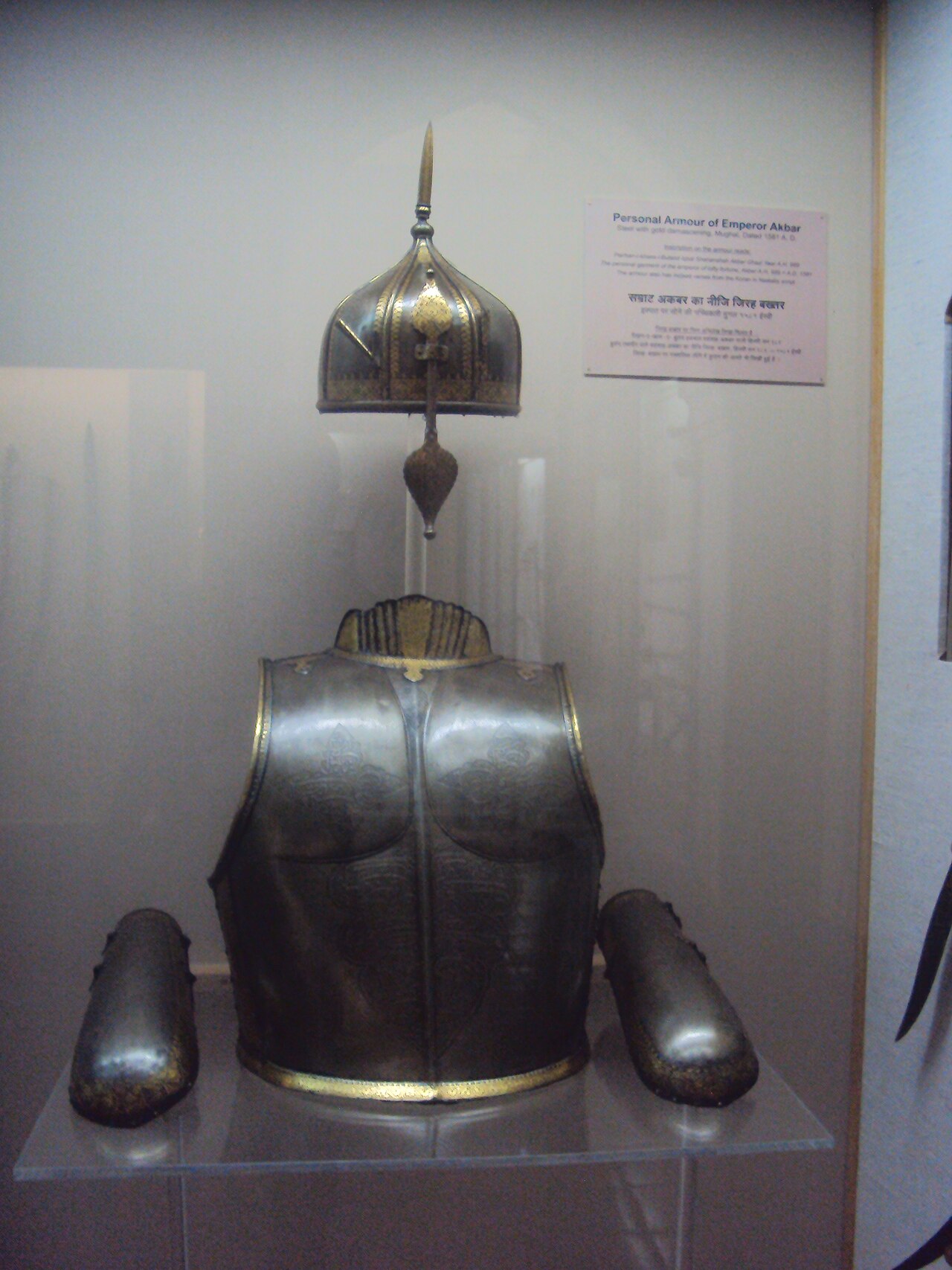
Mumbai’s grand Indo-Saracenic museum, formerly the Prince of Wales Museum, with Indian sculpture, miniature paintings, arms and armour and natural history, set in gardens near the Gateway. Open daily with only four annual closures.
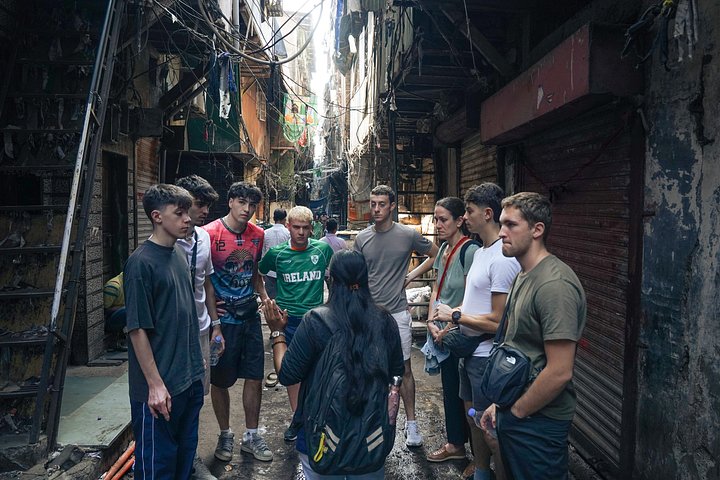
A small-group walk through the working lanes of Dharavi with a local guide, seeing recycling, leather, textile and pottery workshops. No photography is allowed, and tour proceeds go to community projects.
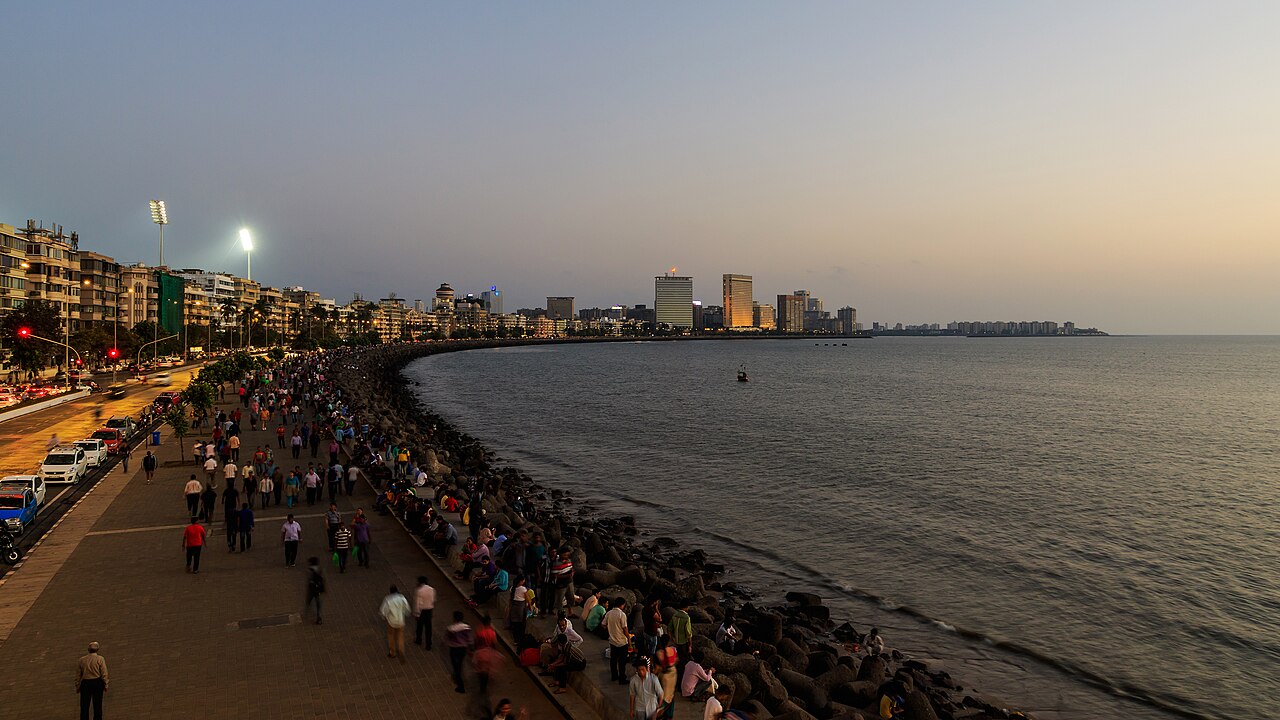 Free
Mumbai’s 3.6-kilometre curved seafront promenade, the Queen’s Necklace, lined with Art Deco apartment blocks and packed at sunset. Free, open all day and best at golden hour.
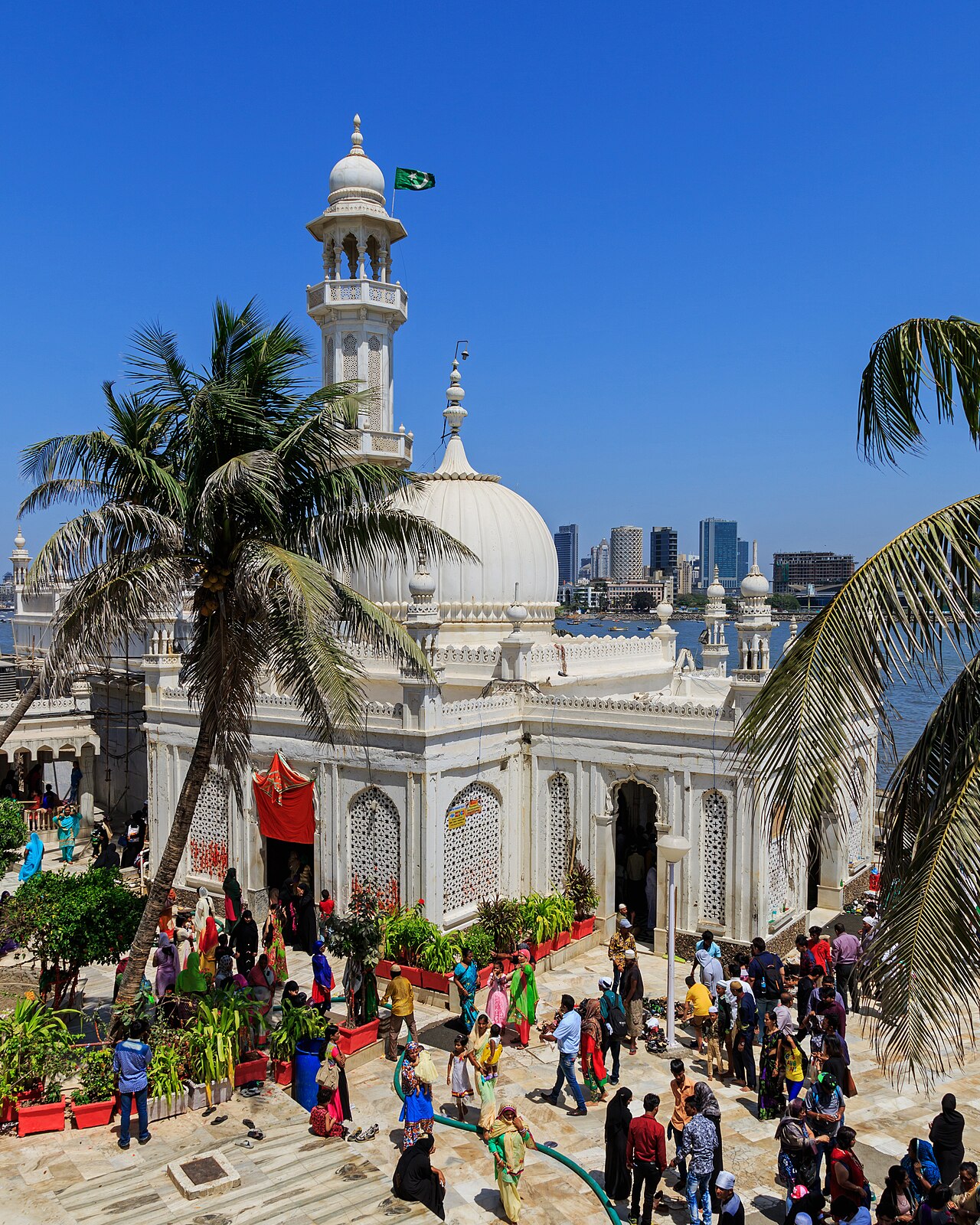 Free
The white-domed tomb and mosque of the saint Pir Haji Ali Shah Bukhari on an islet off Worli, reached by a causeway walk through the sea. Free to enter; open to visitors of all faiths for most of the day.
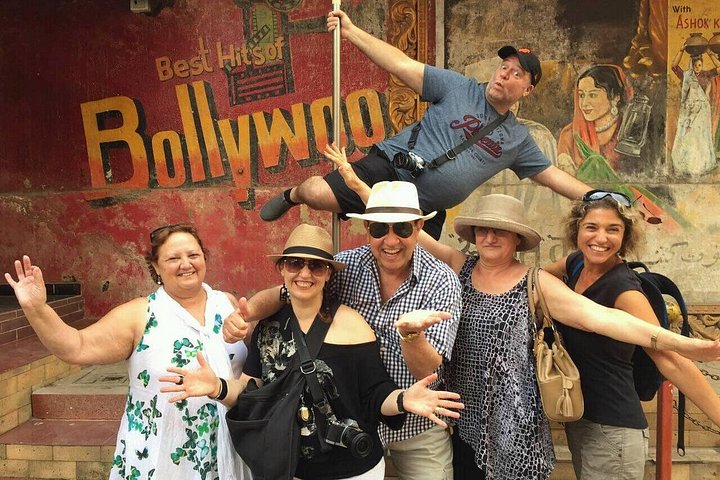
A private half-day tour of a working Mumbai film studio with a guide, a live dance show and hotel pickup. Filming is not guaranteed on any given day, but the behind-the-scenes look is the draw.
An evening guided food crawl from Chowpatty Beach through the Bhuleshwar eating lanes to Mohammed Ali Road, with unlimited tastings and a century-old sweet shop at the end. Small groups, about three and a half hours.
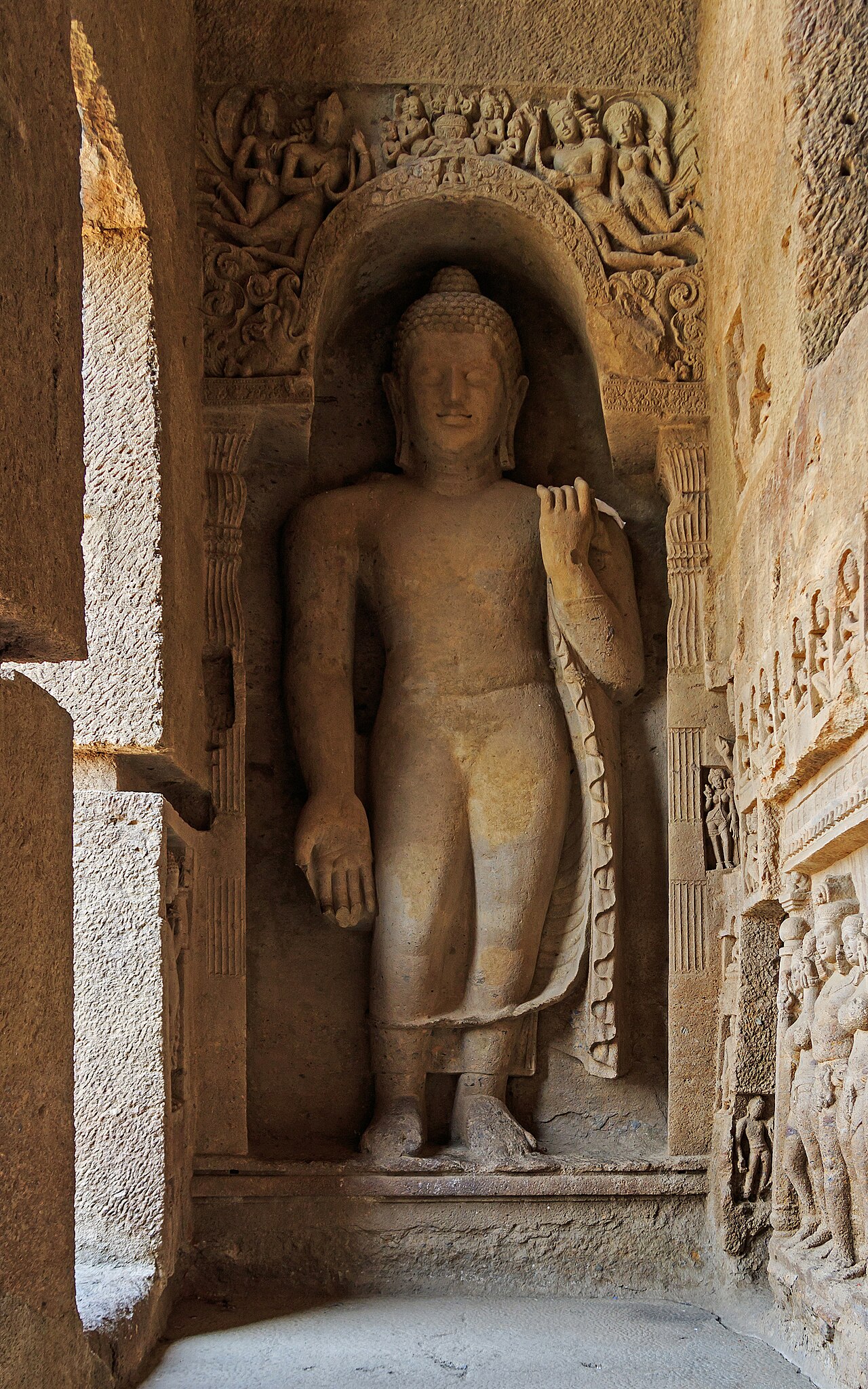
More than a hundred Buddhist rock-cut caves, about 2,000 years old, in the forest of Sanjay Gandhi National Park inside Mumbai. A private guided tour with hotel pickup handles the journey north.
Hotels we would book ourselves, from splurges to good-value bases.
 $$$$
Colaba (Apollo Bunder)
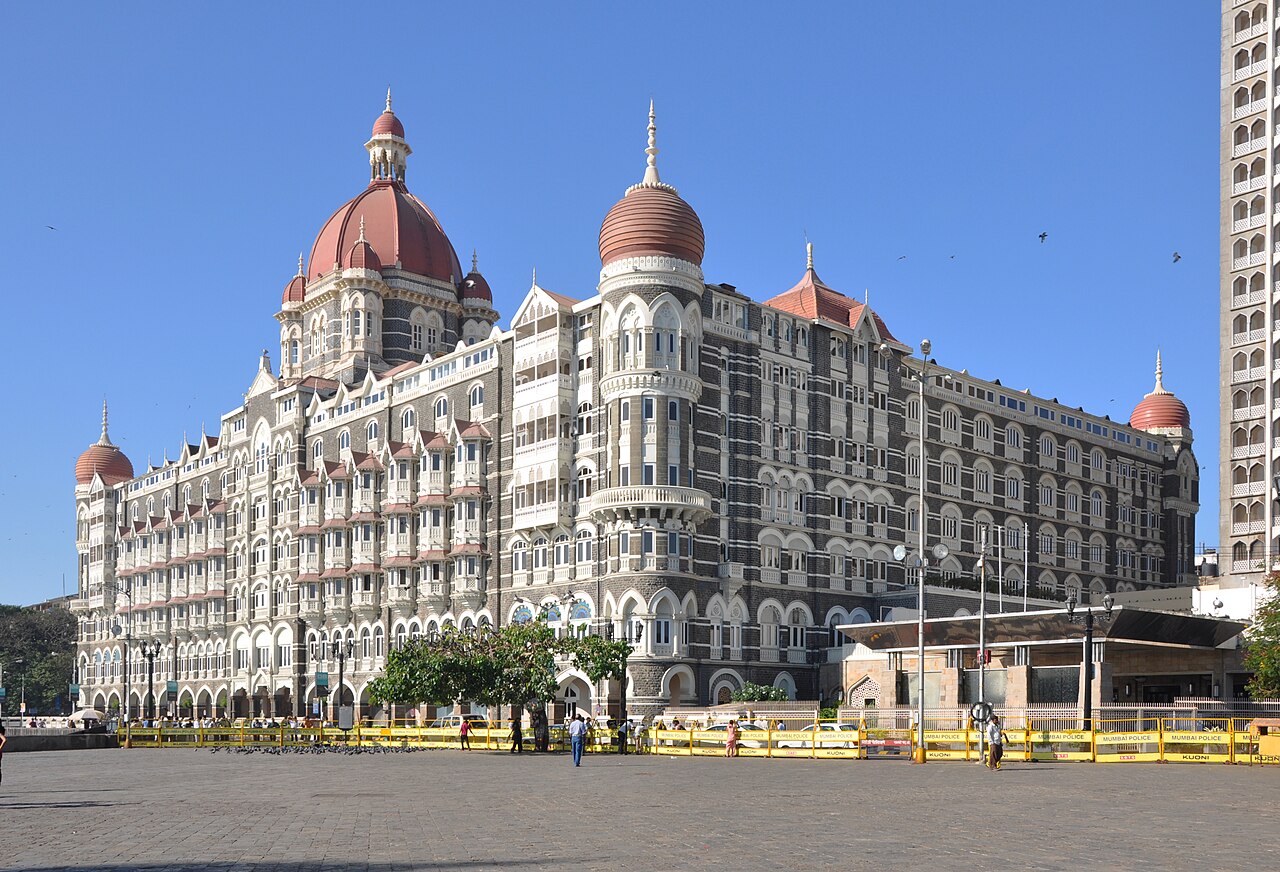
Mumbai’s most famous hotel, a domed 1903 landmark opposite the Gateway of India, with sea-view rooms, an outdoor pool, a spa and seven restaurants. The splurge pick for a first visit.
Check rates →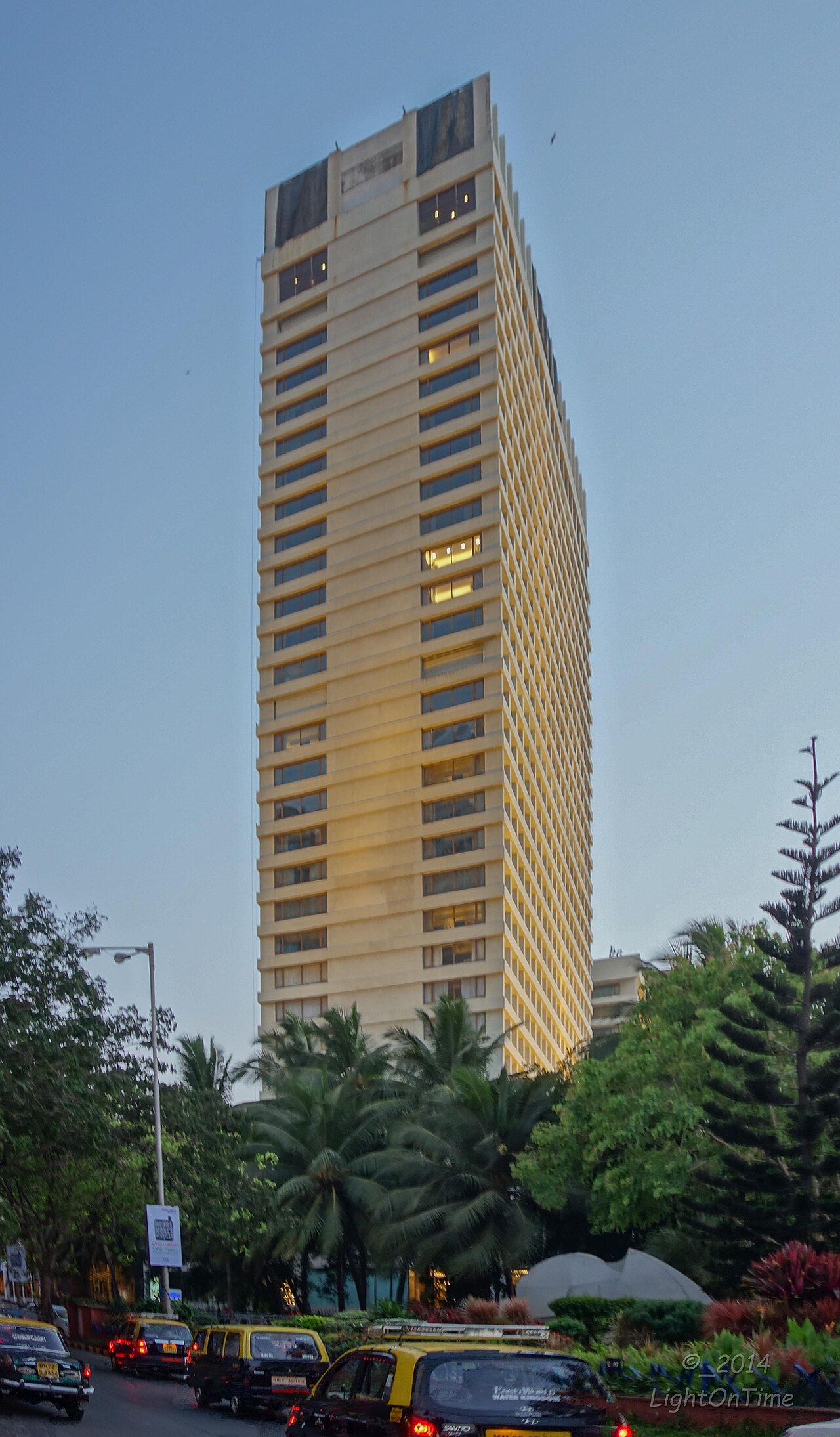 $$$
Nariman Point (Marine Drive)
A five-star seafront hotel two minutes from Marine Drive, with an 11th-floor pool with sunset views, an Ayurvedic spa, four restaurants and bars and sea, harbour and city views. Strong value for the location.
Check rates →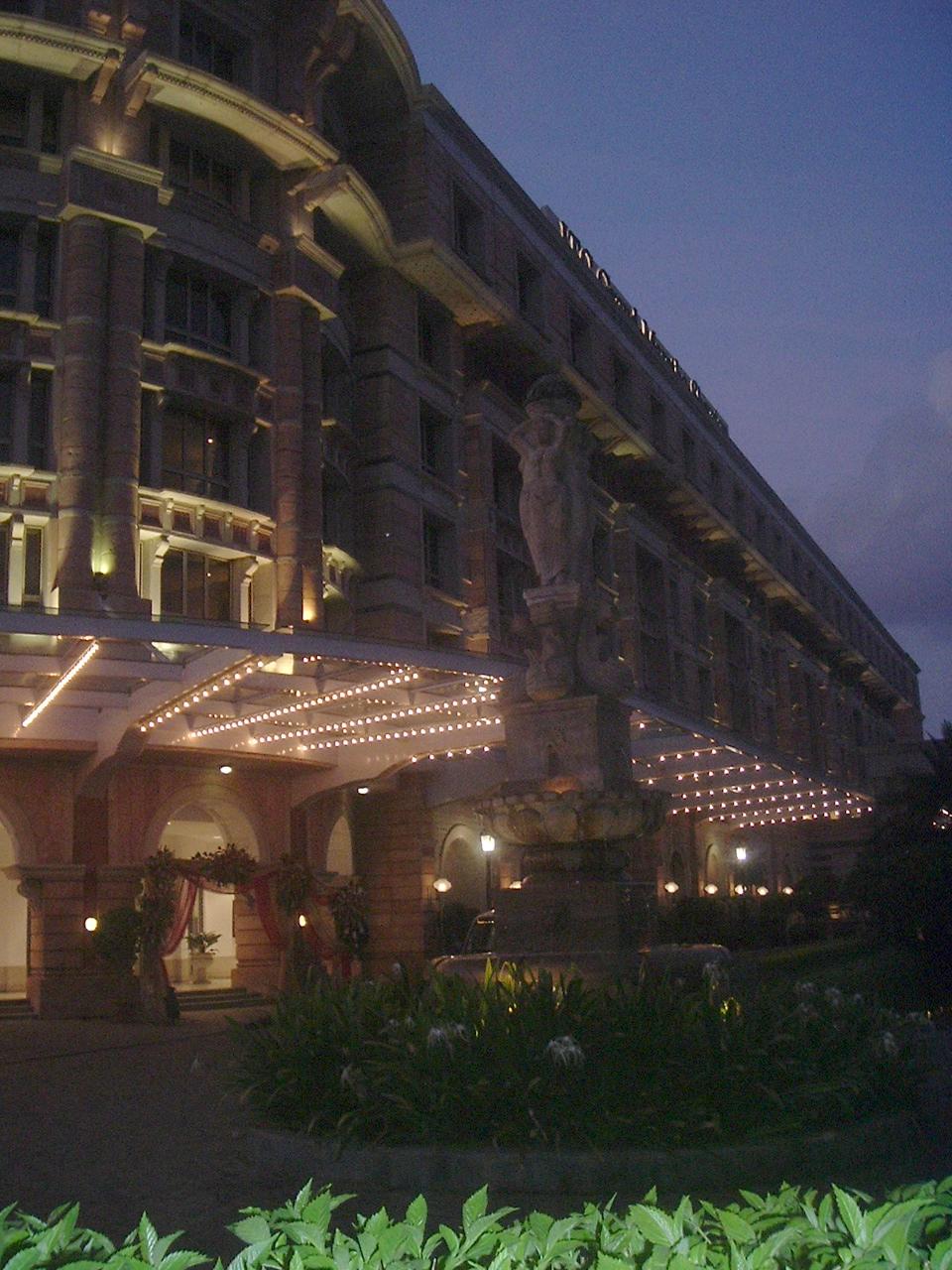 $$$
Sahar (Airport, Andheri East)
A five-star luxury hotel five minutes from the airport, with an outdoor pool, a spa and five restaurants including Avartana and Dum Pukht. Ideal for late arrivals, early flights and the north of the city.
Check rates →Colaba (Apollo Bunder)
A four-class boutique hotel in Colaba, a short walk from the Gateway of India, with a free daily buffet breakfast and free valet parking. A good-value base in the best sightseeing district.
Check rates →Fort (near CSMT)
A practical three-class hotel in the Fort district, close to CSMT and the museum quarter, with air-conditioned rooms, free WiFi and 24-hour room service. The budget pick near the heritage sights.
Check rates →The practical primer for a first visit to Mumbai: how many days to plan, what to book ahead, the closing days that catch people out, getting around by taxi and local train, and where the headline sights fit.
Where to stay in Mumbai: Colaba by the Gateway, Nariman Point on Marine Drive, the Fort district and the airport, with a hotel to match each area and budget.