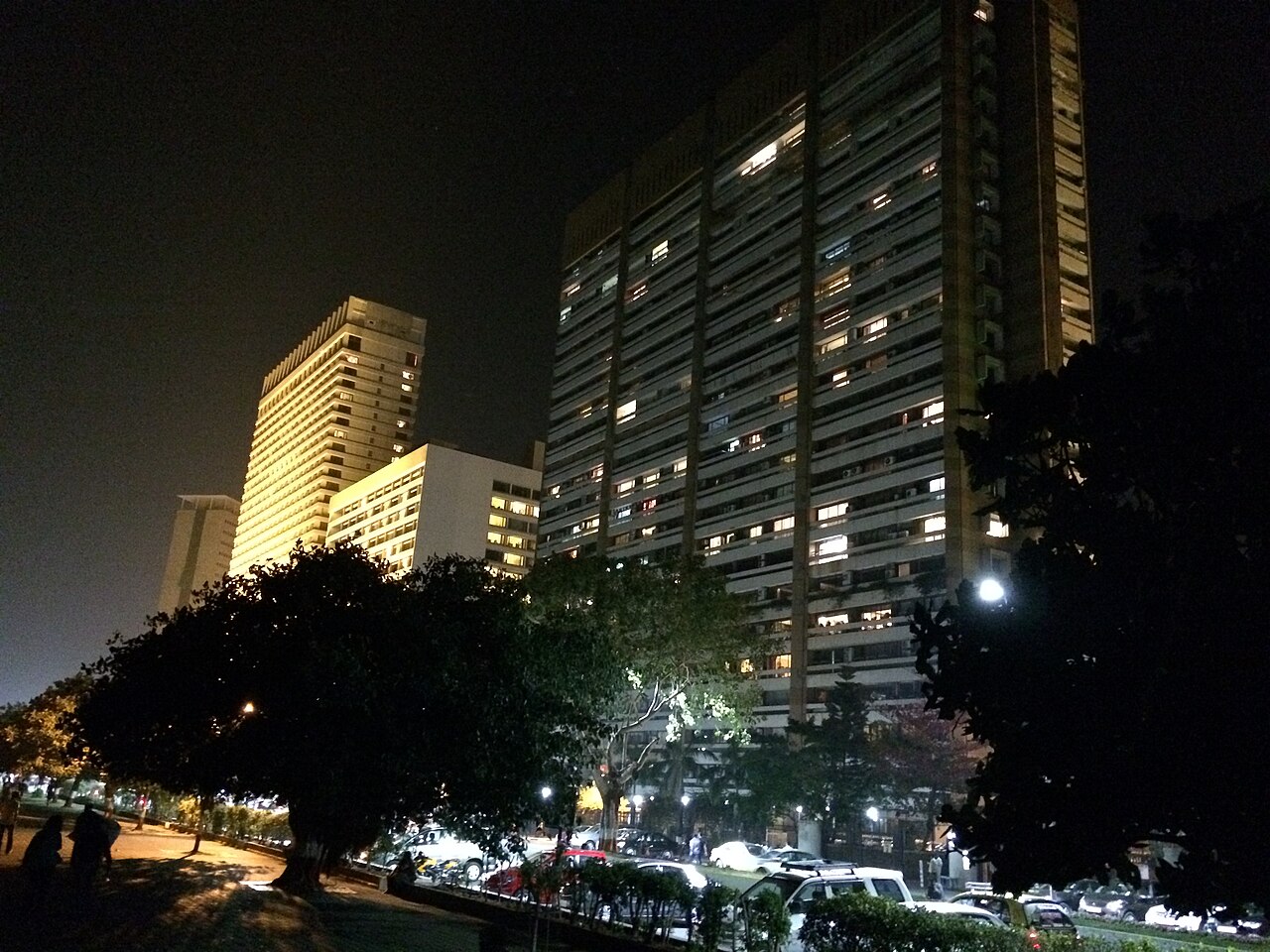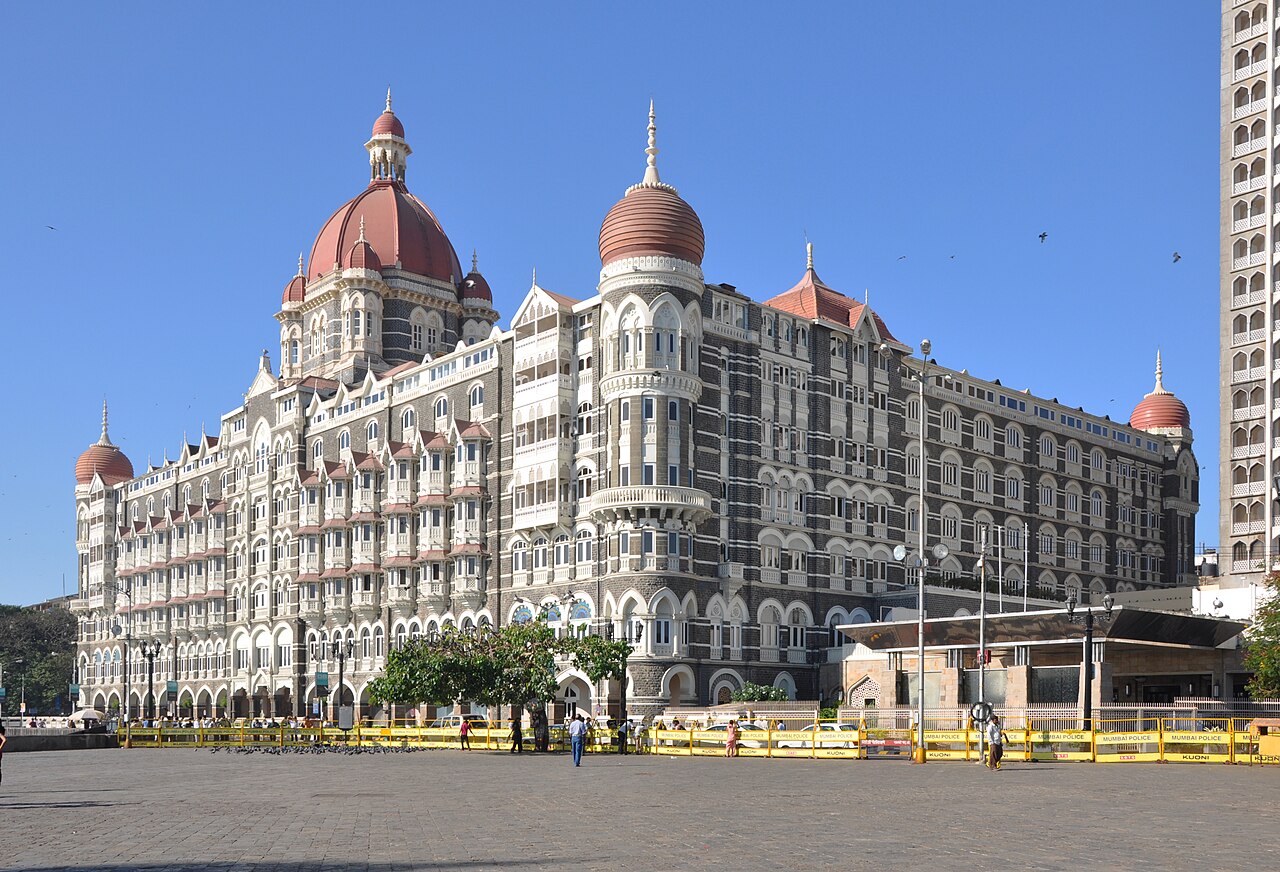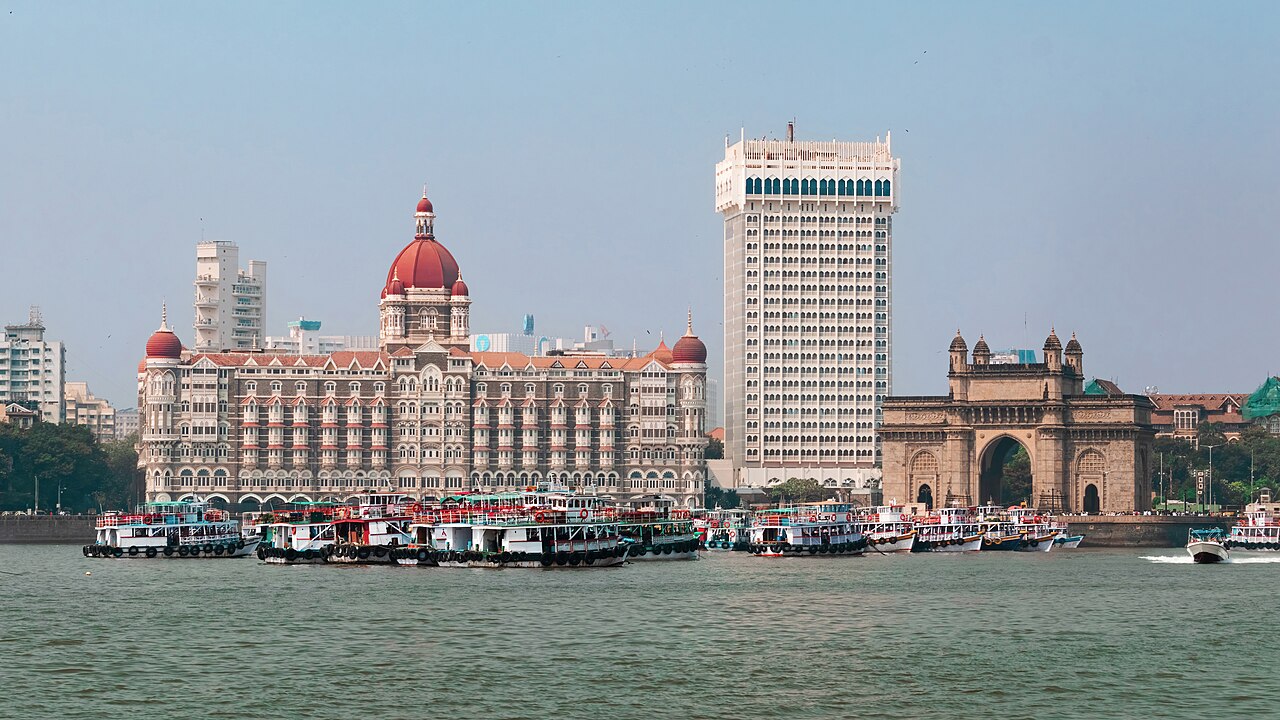
Colaba is the southern tip of the original island city and one of its most layered neighbourhoods. It was once a separate island, joined to Bombay by a causeway in the nineteenth century, and the district still carries the traces of every era it has lived through: fishing-village lanes, British military and church buildings, Art Deco apartment blocks and cinemas from the 1930s, and the compact enclaves of Parsi, Goan and Bohra families who have lived here for generations. A guided heritage walk is the best way to see this, because most of the interest sits just off the busy tourist routes, behind the bustle of Colaba Causeway. A typical route threads through the quieter streets around the Causeway, pausing at places such as the Afghan Church, built to commemorate soldiers of the First Afghan War, the Cathedral of the Holy Name, the Parsi housing colony of Cusrow Baug and the curved Art Deco frontage of the Regal Cinema. Along the way the guide explains how the island grew, how land was reclaimed from the sea, and why the architecture changes from block to block. You also pass the Taj Mahal Palace and the Gateway of India, so the walk fits neatly around a first morning in the city. Stops can change with the guide and the day, so ask when you book.
How to join
The walk lasts about three hours and runs as a guided group tour, so confirm the start time and meeting point when you book. Colaba is compact and flat, but the pavements are uneven and the humidity can be draining, so wear comfortable shoes and light clothing, and carry water.
Morning departures are the most pleasant, with softer light and fewer crowds, and the cooler months from November to February are the best season. Some churches and communal buildings can only be entered at certain hours or viewed from outside, which a good guide will explain.
What to expect
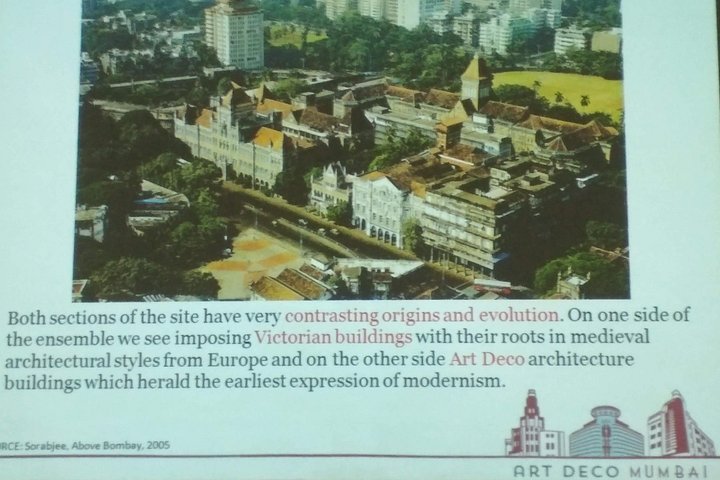
This is a street-level walk with stories, not a museum visit. Expect to hear about the Koli fishing community from which the area is thought to take its name, the British garrison and the cantonment that shaped it, the Parsi and Jewish merchants who built homes here, and the Art Deco boom of the 1930s that left Colaba with some of the finest examples outside Marine Drive.
The pace is relaxed, with time for photographs and short stops for tea or a cold drink. The route avoids the heaviest traffic, but you will still cross busy roads, so keep an eye on your group and stay alert.
Making the most of it
This walk sits well beside Mumbai’s other heritage options. The Fort district walk covers the older commercial core north of Colaba, and the Art Deco walk goes deeper on the 1930s buildings along the sea. Together they give a full picture of South Mumbai’s architecture.
End the morning with lunch at one of Colaba’s old cafés, or walk on to the CSMVS museum, which is about ten minutes away. If you are staying in the Colaba area, this is also a useful first activity, because it teaches you the local streets before you explore alone in the evening.
What to expect
The experience
A guided group walk of about three hours through the streets of Colaba, with stories and architecture along the way.
Best time
Morning in the cooler months from November to February, before the heat and the Causeway crowds build.
How long
About three hours at an easy pace, with short stops.
Tips
Wear comfortable shoes, carry water, dress modestly for any church or communal building, and confirm the meeting point when you book.
Quick picks
- Best for
- Visitors staying in or near Colaba and anyone who likes architecture and local stories.
- Families
- Fine for older children who enjoy stories and walking; the heat and the traffic make it tiring for toddlers.
- Couples
- A relaxed morning walk with plenty of photographs and a café stop at the end.
- Pair with
- The Fort heritage walk, the CSMVS museum and lunch on Colaba Causeway.
- Time needed
- A morning, with a leisurely lunch afterwards.
Good questions
How long is the Colaba heritage walk?+
It lasts about three hours at an easy pace, with several short stops. Allow a little extra time to reach the meeting point.
What will I see on the walk?+
Typical routes include colonial churches, Art Deco buildings, Parsi housing colonies and the lanes behind Colaba Causeway, with views of the Taj Mahal Palace and the Gateway of India. Exact stops depend on the guide.
Is the walk different from the Fort heritage walk?+
Yes. Colaba covers the southern tip of the island, its churches, cinemas and communities, while the Fort walk covers the older commercial and civic core to the north.
What should I wear?+
Comfortable shoes, light clothing and a hat, with a scarf or shawl for any church or communal building. Bring water, because the humidity can be high.
When is the best time of year to walk?+
November to February is the best time, with dry weather and lower temperatures. Avoid the middle of the day in summer and the heaviest monsoon rain.