The Nagasaki Atomic Bomb Museum opened in the mid-1990s on a site close to the hypocenter and tells the story of the second atomic bombing in a clear sequence. Exhibits begin with life in Nagasaki before the war, move through the decision to target the city and the moments of 9 August, and then follow the days, months and decades that came after. The museum uses scale models, clocks stopped at 11:02, melted glass and twisted metal, and personal objects whose ordinariness is hard to forget. What sets Nagasaki's museum apart is its attention to the long human story. Panels cover the survivors, the medical consequences of radiation, the city's rebuilding and the broader global movement for nuclear abolition. The museum is bilingual, with English text throughout, and audio guides are available. Most visitors spend between one and two hours, longer if they read everything.
The museum has a deliberate rhythm. Early rooms set the historical context and show the Urakami district before the bombing, when it was home to the largest Catholic community in Japan. A darkened gallery then recreates the moment itself, followed by displays of damage to buildings, bridges and everyday objects. A famous exhibit is the clock frozen at the minute of the explosion. Later rooms turn to survivors' stories, medical history and the efforts to remember, with letters, drawings and photographs. The exhibition ends with the call for peace.
Visiting well means allowing time and emotional space. The content is serious, and some photographs and objects are distressing, so parents should consider the age and sensitivity of children before bringing them. Photography rules vary by area, so follow the signs, and keep voices low. Many travellers find that pairing the museum with the Peace Park and a walk to the hypocenter gives the sequence a natural shape, and that a break afterwards, with tea or a short riverside walk, helps.
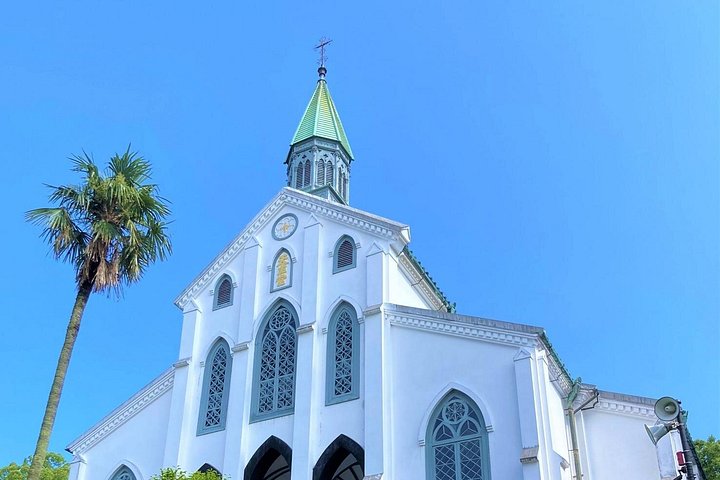
A guided history tour adds a great deal. Local guides can explain what you are seeing, introduce individual survivor stories, and connect the museum with Urakami Cathedral, the Peace Park and the National Peace Memorial Hall. If you prefer to go independently, an audio guide helps, and it is wise to plan the museum for the morning, when you are fresh. The museum is generally open daily with extended hours in summer and closes on a small number of days around the end of the year, so check before you go.
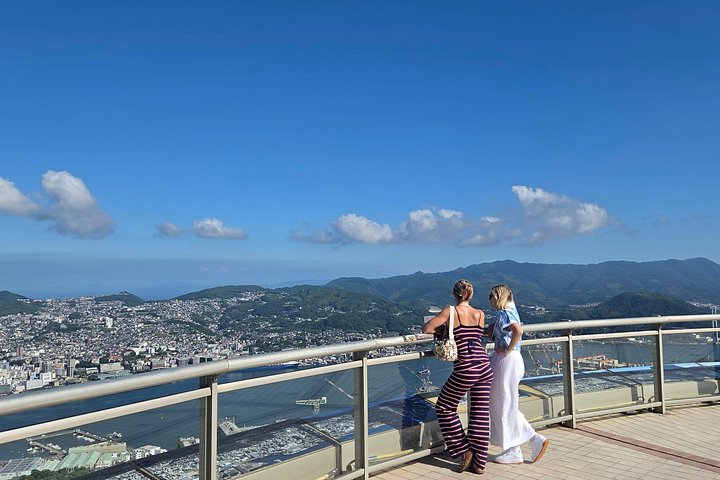
Context helps. Nagasaki was not the original primary target on the day; cloud cover over the first choice sent the bomber toward Nagasaki, and a gap in the clouds over the Urakami valley decided the outcome. The valley's hills partly contained the blast, which is one reason parts of the downtown survived while Urakami was devastated. Museum panels cover these facts without sensationalism, and guides will often describe how the city's geography shaped what happened. Seeing the topography from the park afterwards makes the story easier to grasp.
Children and teenagers often respond to the personal stories most strongly, especially the schoolchildren's belongings and the accounts of hibakusha, the survivors, who campaigned for decades to ensure the world remembered. Many visitors leave the museum wanting a quiet half hour before the next stop, so build a break into your plan rather than booking a packed afternoon.
A practical note on timing
The museum is at its quietest right after opening and in the last hour before closing, and mid-morning tour groups can make the narrow galleries feel crowded. Lockers are available for bags, and the building is accessible by lift. Cafes and rest areas nearby make a good place to sit afterwards.
What to expect
The experience
A self-guided museum visit with optional audio guide, or a guided history tour that places the museum alongside the park and hypocenter.
Best time
Weekday mornings are calmest; summer afternoons and school-holiday weekends are busier.
How long
One to two hours in the museum; two to three hours with a guided tour.
Tips
Allow quiet time afterwards, follow photography signs, and check opening days around the New Year.
Quick picks
- Best for
- Visitors who want the full historical story of the bombing and the city's recovery.
- Families
- Better for older children and teenagers; some displays are graphic and distressing.
- Couples
- A serious but rewarding morning together, followed by a calm lunch nearby.
- Pair with
- Nagasaki Peace Park, the hypocenter and the National Peace Memorial Hall.
- Time needed
- Two hours including the walk from the park.
Good questions
How long does the museum visit take?+
Most people spend one to two hours, longer if they use the audio guide fully or read every panel.
Is the museum in English?+
Yes. Exhibit text is provided in English, and audio guides are available for hire.
Is the museum suitable for children?+
It can be, with preparation, but some images and objects are graphic. Parents of younger children may prefer the park and memorials.
Is the museum near the Peace Park?+
Yes, it is a short walk from the park and the hypocenter, so the three are usually visited together.
Should I take a guided tour?+
A guide adds names, stories and context, and links the museum to the park and Urakami Cathedral. Many visitors find it deepens the experience.