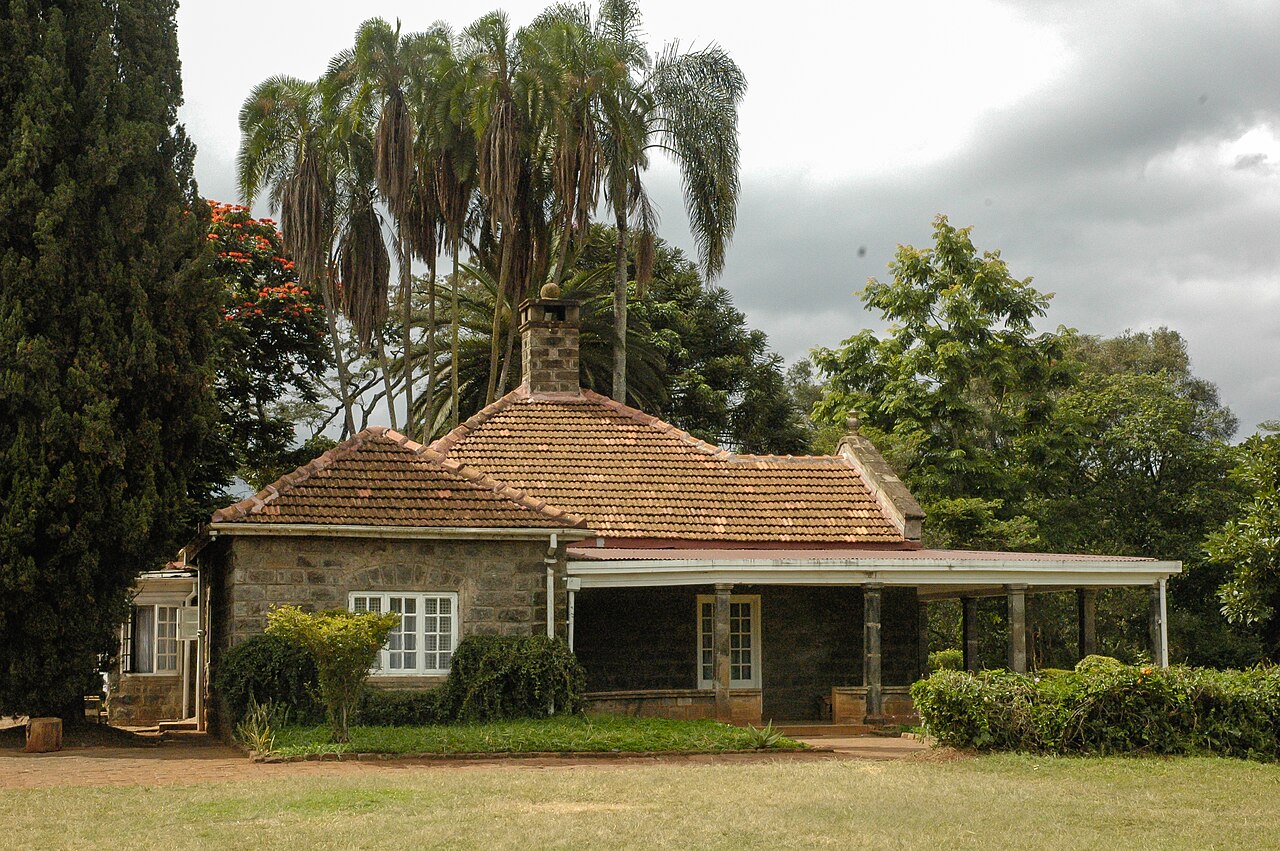
Kiambethu Tea Farm is a quiet, green contrast to the safari circuit, set on the cool slopes of Limuru, an hour or so north-west of central Nairobi. The farm has a place in Kenya’s history: its founder, Arnold Butler McDonell, bought the land in 1904, found that coffee and maize did not thrive, and some years later planted a small area of Assam tea that grew well. He went on to become the first commercial tea producer in Kenya, processing leaves on the farm and sending them to Nairobi by rail. Today the family still hosts visitors, and the experience feels more like being invited to a country home than joining a tour. You walk through terraces of tea with a guide who explains how the bushes are plucked, why only the top two leaves and a bud are taken, and how the leaf is withered, rolled, oxidised and dried to become black tea. The farmhouse, built in the 1930s, stands in a garden of lawns and flower beds, and the walk usually ends there with a tasting and a home-cooked lunch. Kenya is among the world’s biggest exporters of black tea, and Limuru is where that story began, so the visit adds real context to every cup you drink during the trip.
How it works
The tour we link, Day Tour to Kiambethu Tea Farm and Lunch, includes the transfer from Nairobi, the guided walk and lunch at the farm. Check the tour details for pickup times, the group size and what is included, since arrangements differ between operators. Visits to the farm itself are normally arranged in advance rather than on a walk-in basis, which is another reason to book through a tour.
What to expect
A typical visit lasts around half a day. You walk through the tea fields and learn about the plucking and production, see the old farmhouse and garden, and taste the tea freshly brewed before lunch, which is often a multi-course meal built around local produce. If you are travelling with a vegetarian or have allergies, mention them when booking. The pace is slow, so the day suits anyone who finds a long safari tiring.
Best time
Tea grows all year in the cool, damp climate of Limuru, so there is no bad season. Mornings can be misty and cold, and the rainy months of April, May and November bring heavy showers, so bring a light waterproof, comfortable walking shoes and a warm layer. The dry months from January to March and from July to October give the clearest views across the valley.
Making the most of it
Ask your guide to show you how to pick a bud and two leaves, and try the tea without milk first to taste the difference between Kenyan and imported blends. The farm sells tea, which makes a good, light gift. Consider pairing it with Karura Forest or the National Museum on another day to build a gentle, green itinerary.
Who it suits
Couples, families with older children and anyone who wants a gentle cultural day between safari days. It is a peaceful way to see a different side of Kenya, and the cool highland air makes a welcome change after a hot, dusty day on the plains. Allow a relaxed pace, because the best part of the visit is the long, unhurried lunch.
What to expect
The experience
A guided walk through tea fields followed by a tea tasting and lunch at the family farmhouse.
Best time
Any time of year, though January to March and July to October are driest.
How long
About four to five hours including the transfer from Nairobi.
Tips
Book ahead, wear comfortable shoes and a light waterproof, and mention dietary needs when you reserve.
Quick picks
- Best for
- Travellers who want a slow, scenic day with food and history between safari days.
- Families
- Children can pick leaves and walk the terraces, and the setting is relaxed and safe.
- Couples
- A romantic, low-key day with views over the valley and a long lunch.
- Pair with
- Karura Forest or the National Museum on a day spent in the green north of Nairobi.
- Time needed
- Half a day, about four to five hours.
Good questions
Where is Kiambethu Tea Farm?+
It is in Limuru, in the highlands north-west of Nairobi, roughly an hour’s drive from the city centre depending on traffic.
Why is Kiambethu important?+
It was the farm where Kenya’s first commercial tea was produced. The founder planted Assam tea there after other crops failed and began selling it in Nairobi in the 1920s.
Is lunch included at Kiambethu?+
Tours usually end with a tasting and a farmhouse lunch, and the tour we link includes lunch. Check the tour details for the menu and any dietary options.
Do I need to book Kiambethu in advance?+
Yes, visits are normally arranged ahead of time, so book a tour or contact the farm before you travel.
When is the best time to visit a tea farm in Kenya?+
Tea is picked all year, so any time works. The drier months give clearer views, while the wet months make the fields greener but muddier.