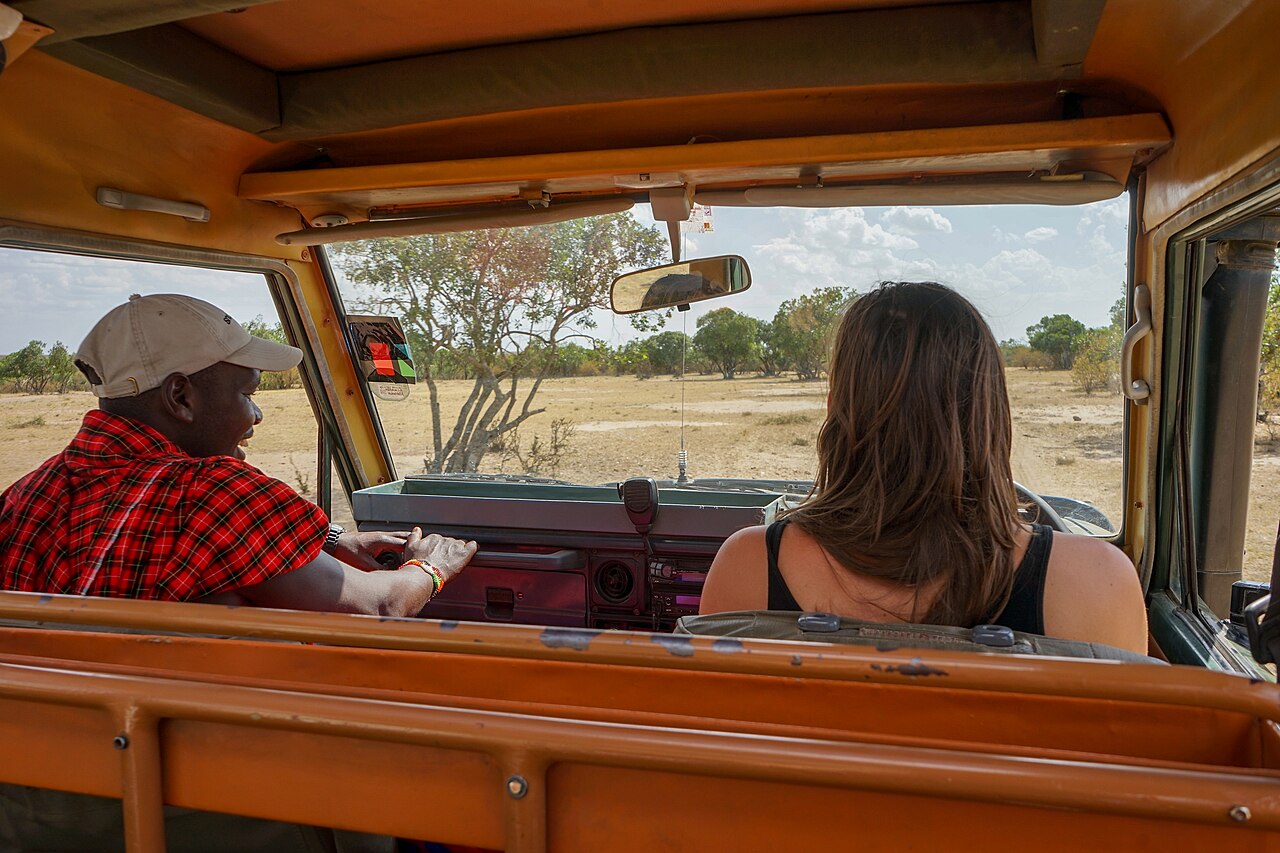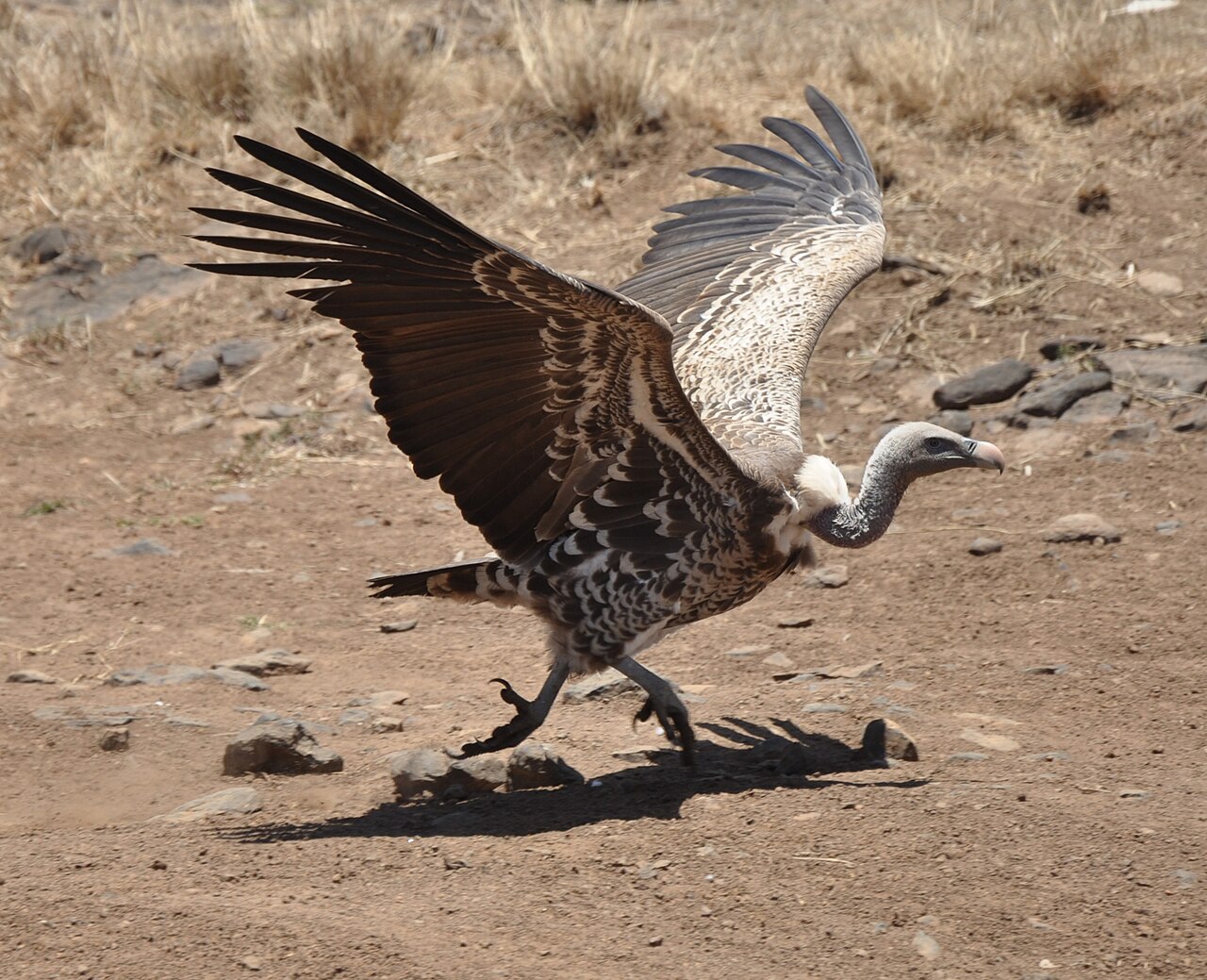
Nairobi sits about 1,800 metres above sea level, almost on the equator, which gives it a mild, springlike climate with little seasonal change in temperature. Days are usually warm and nights cool, and the real differences between seasons come from the rains. Because Nairobi is also the gateway to Kenya’s safari circuit, the best time to visit depends on whether you are staying in the city, heading to the Maasai Mara or going somewhere in between.
The short version
The most reliable months for dry weather and wildlife are July to October and January to February. These are the two dry seasons, when grass is shorter, animals gather near water and roads are firm. The wettest months are April and May, the long rains, and a lighter wet season falls between roughly October and December, known as the short rains.
June to October: the main safari season
This is the peak, and for good reason. Skies are clear, mornings are cool and the weather is dry. In the Maasai Mara, the Great Migration of wildebeest and zebra usually arrives from July and remains through October, with dramatic river crossings drawing visitors from around the world. The Mara’s daily reserve fee is higher from July to December, and lodge prices and bookings peak, so reserve well in advance. Nairobi itself is cool and pleasant in July and August, so pack a fleece for the mornings.
January and February: the second dry season
The weather is hot and dry, the crowds are thinner than in the peak months and the game viewing is excellent. It is a very good time for Amboseli, where clear mornings give you views of Kilimanjaro, and for Nairobi National Park, where animals concentrate near the remaining water. Lodge rates are often lower than in the peak season, and it is a good compromise if you cannot travel in July or August.
March to May: the long rains
Rain falls heavily, often in afternoon or evening storms, and some roads and tracks in the parks become muddy or impassable. The landscape turns a vivid green, birdlife is at its best, and visitor numbers and prices fall sharply. Some camps close for part of this period. If you are visiting Nairobi only, the long rains are quite manageable, since the mornings are often clear and the sights are mostly easy to reach, but pack a light waterproof and allow extra time for traffic, which worsens in rain.
November and December: the short rains
The short rains bring green scenery, fewer visitors and showers that usually pass quickly. Birdwatching is excellent, many migratory birds arrive and lodge prices are often attractive outside the Christmas and New Year period, which is busy and expensive. The Mara reserve fee is at its higher level, and some mud is likely, but wildlife is still plentiful. November is a good month for Nairobi’s city sights, the national park and the coffee harvest, when you can pick cherries on a farm tour.
What the seasons mean for specific trips
For the national park, mornings in the dry months are best, but it is rewarding all year. For Lake Nakuru, the rhinos are reliable throughout the year, while flamingo numbers depend on water levels and change from season to season, so treat them as a bonus. For Mount Longonot and Hell’s Gate, the dry months give firmer trails, while the wet months can make paths slippery and rivers rise in the gorge. For Kiambethu Tea Farm and the coffee farms, any time is good, since both are working farms.
Nairobi’s own rhythm
The city has its own calendar of busy periods. School holidays in April, August and December fill the family attractions at weekends, and rush hour is heavy all year, worse when it rains. Weekdays are the best time for the Giraffe Centre, the museums and Bomas, which are quieter outside the school-holiday weeks.
Crowds and prices
July to October and the Christmas and New Year weeks are the busiest and most expensive. The shoulder months, particularly late January, February and November, offer a balance of good weather and lower prices, and the wet months from March to May are the cheapest.
Packing
Pack in layers whatever the season, with a warm top for early drives, a hat and sunscreen for the strong equatorial sun, comfortable walking shoes and a light waterproof. Bring binoculars and a camera with a good zoom, and check Kenya’s current entry requirements before you travel, since most visitors need to apply online for an electronic travel authorisation.