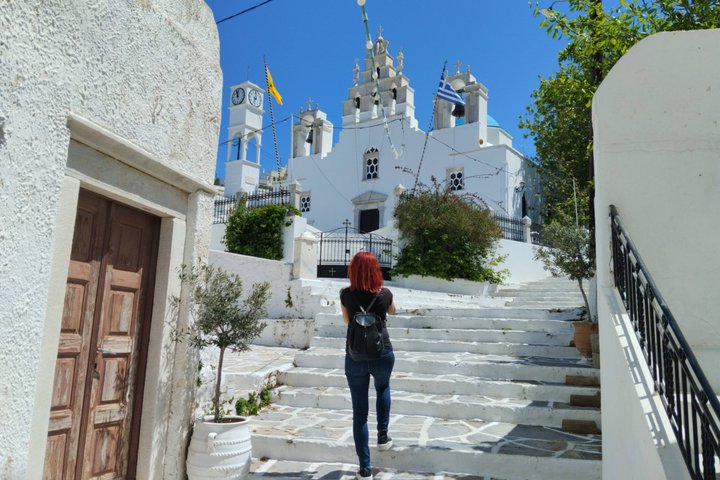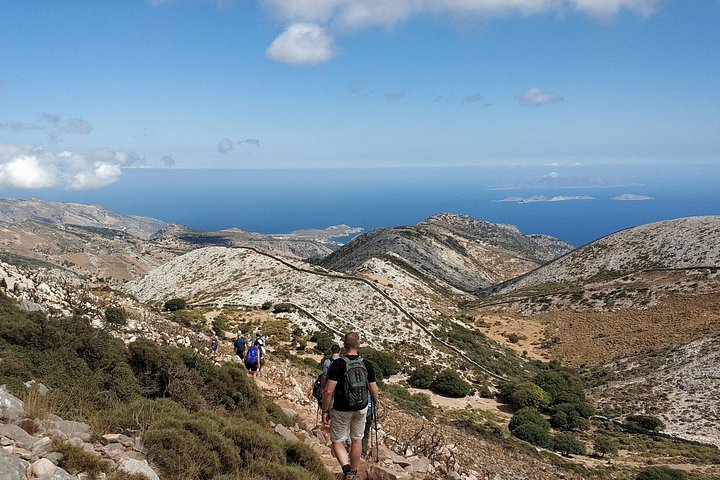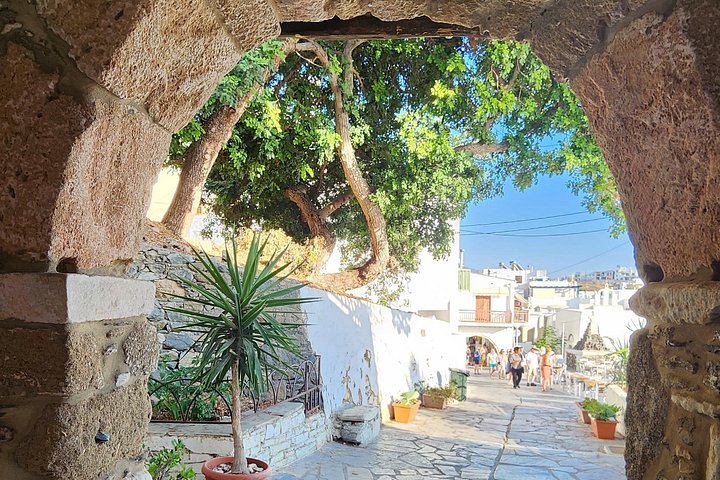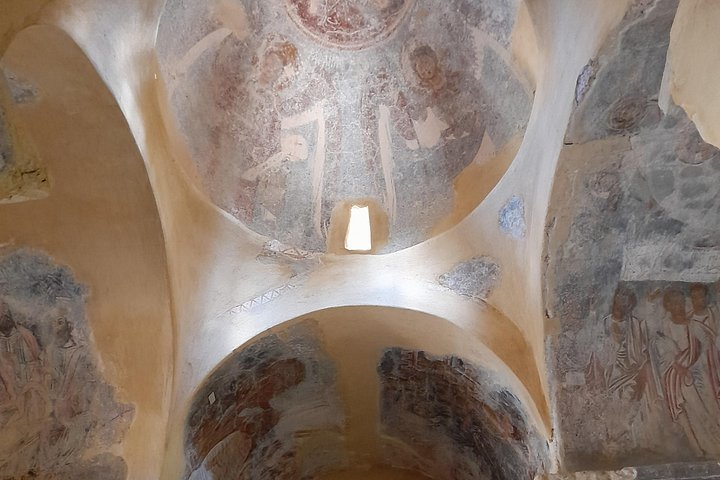
Naxos holds one of the richest collections of Byzantine and post-Byzantine churches in Greece, with hundreds of chapels scattered across the countryside, many with surviving frescoes. The Naxos Countryside and Byzantine Churches Half-Day Hiking Tour is built for walkers who want to see them in their landscape rather than from a car window. The route covers gentle ground through olive groves, terraced fields and old stone-paved footpaths, linking a few small churches and the villages that surround them. It is the kind of walk that shows how the island's life was organised around farms, springs and chapels, and it is also one of the easiest ways to meet the interior at walking pace.
Because it is a half-day activity, the route is manageable for most people with ordinary fitness. Expect two to four hours of walking with a few ascents and descents on stony paths. A guide explains the architecture, the frescoes and the stories behind the chapels, which makes a significant difference since the churches are small and often closed to the public. Ask whether the route includes interiors, as access depends on keyholders and local custom.
Wear sturdy shoes with grip, take a hat and water, and dress modestly if you intend to enter a church, with covered shoulders and knees. Spring offers wild flowers and green hillsides; autumn is gentle and golden. In midsummer, choose a morning departure to avoid the heat and bring more water than you think you need.
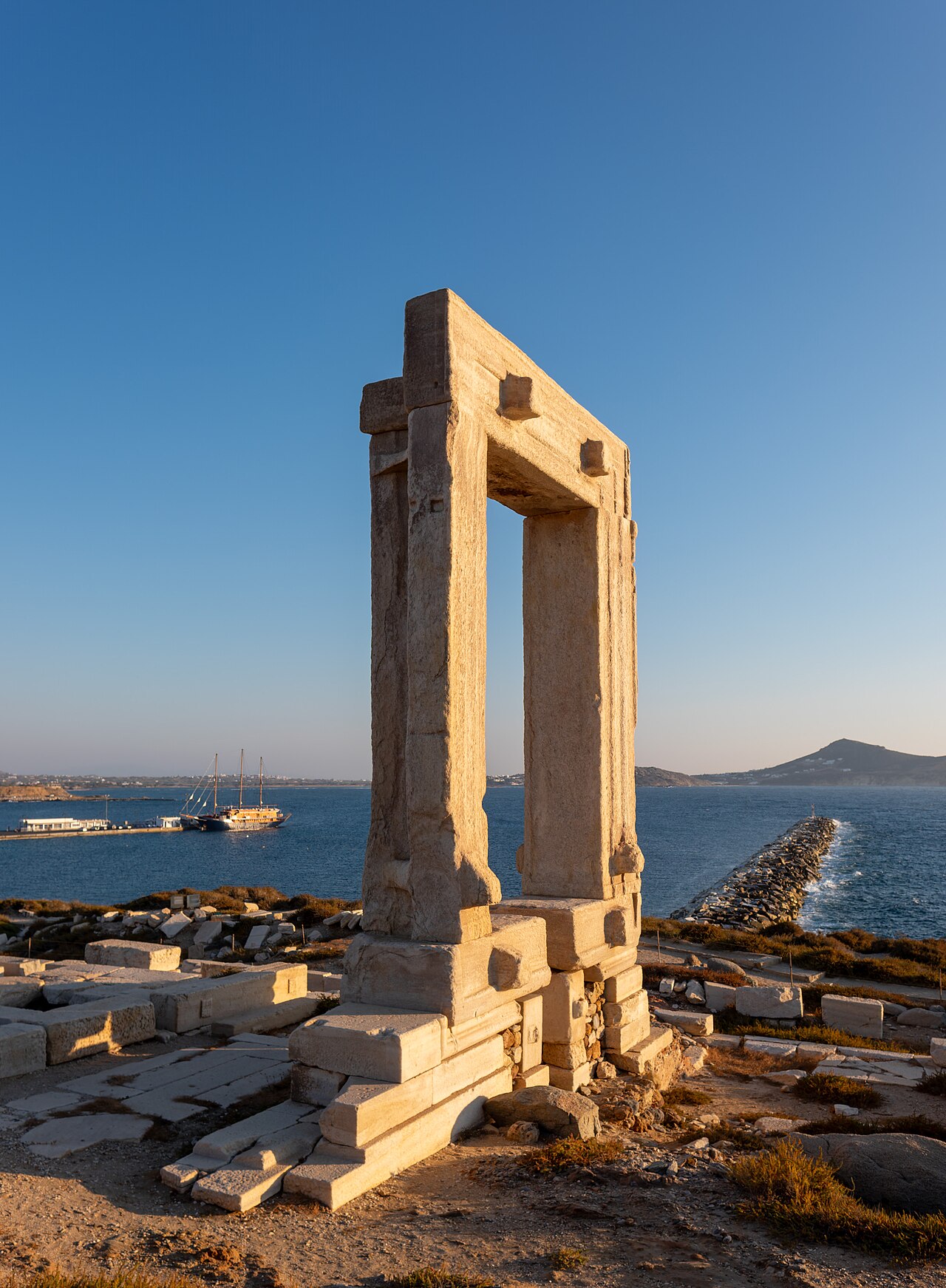
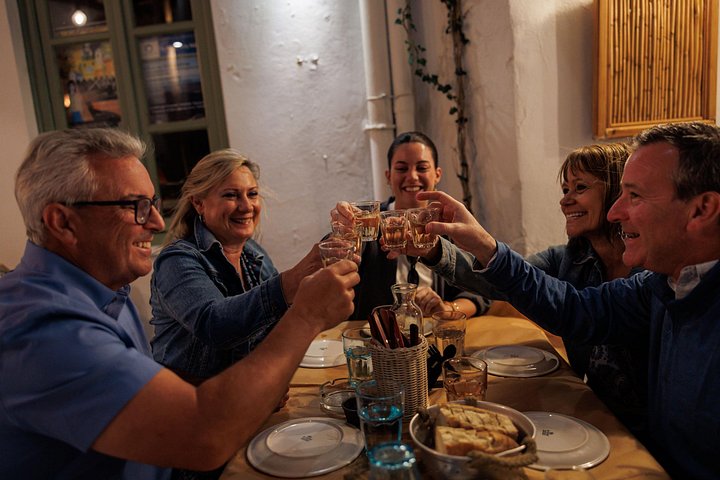
The tour pairs naturally with a village lunch, and you can follow it with a visit to the Temple of Demeter or Halki to extend the day. It also works well for photographers, as the churches, stone walls and olive trees offer simple, strong compositions. Families with children who enjoy walking will find the pace easier than the Mount Zas route, but check the age recommendations.
If you prefer a self-guided walk, local hiking maps show marked paths in the Tragea valley, though signposting can be patchy. A guide solves that and gives access to stories that maps cannot provide. Do not remove or disturb anything at the sites, as the chapels are active places of worship.
These chapels are small, often whitewashed outside and painted inside with saints in faded colours, and the pleasure lies in the quiet setting. Notice how each church sits near a spring, a crossroads or a farm, and how the fields around them follow terraces cut centuries ago. Your guide may explain the differences between Byzantine and later styles, and the symbols in the frescoes. If a church is locked, the exterior and its surroundings are still worth the walk. Bring a small notebook or camera, and take care not to touch painted surfaces.
The walk suits all seasons, but timing matters. Spring brings wild flowers and birdsong, summer calls for dawn starts, autumn offers soft light and ripe figs and winter, though wetter, shows the greenest fields. Ask about the length and the amount of climbing, and whether the route is a loop or a point-to-point with a transfer. If you are interested in photography, bring a lens that works for both wide landscapes and small details such as carved doors and painted saints. Take rubbish home and leave gates as you found them.
What to expect
The experience
A guided half-day walk through olive groves and farmland, visiting Byzantine chapels; confirm the route length and church access when you book.
Best time
Spring and autumn; mornings in summer.
How long
About four hours including stops.
Tips
Wear sturdy shoes, carry water and a hat, and cover shoulders and knees for church interiors.
Quick picks
- Best for
- Walkers who like history and quiet countryside.
- Families
- Good for children who enjoy gentle walks.
- Couples
- A peaceful morning followed by a village lunch.
- Pair with
- Halki, the Temple of Demeter or a cooking class.
- Time needed
- Half a day.
Good questions
How hard is the walk?+
It is a half-day walk on gentle to moderate ground. Ordinary fitness is enough.
Do we go inside the churches?+
Sometimes. Many are small and locked, so ask the operator what access to expect.
What should I wear?+
Sturdy shoes, sun protection and modest clothing for church interiors.
Is it suitable for children?+
Usually, if they enjoy walking. Check any age recommendation.
When is the best time?+
Spring and autumn are ideal; go early in summer.