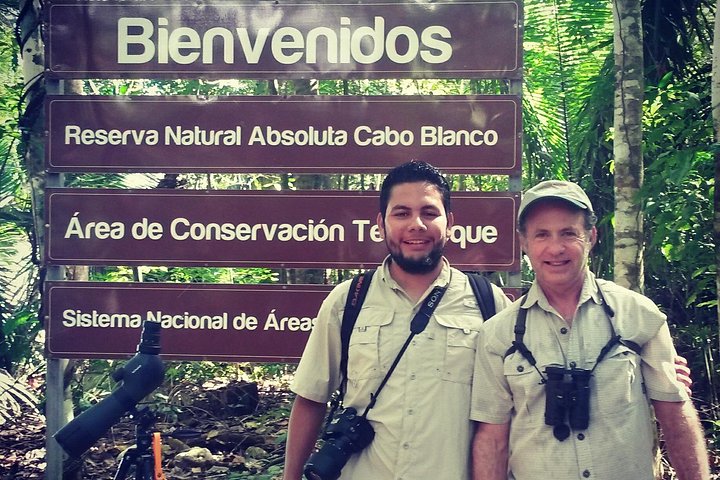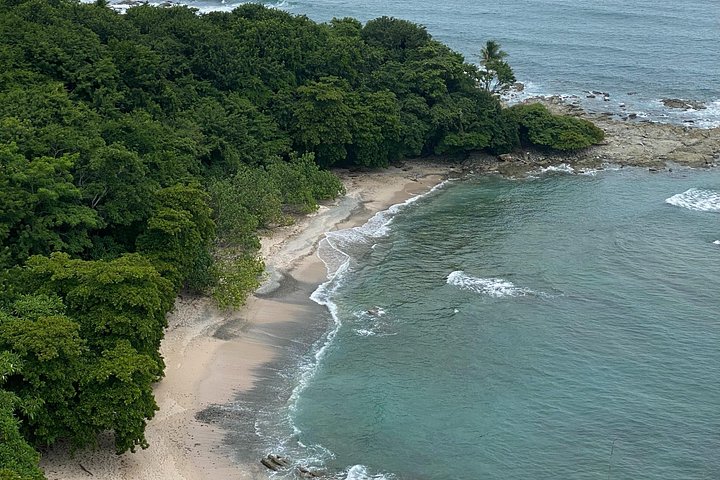
Curu National Wildlife Refuge, near Paquera on the gulf side of the southern peninsula, is a mosaic of dry forest, mangrove and beaches that has been protected for decades by a family that owns much of the land. It is a rare place where tropical dry forest, an increasingly threatened habitat in Central America, can be explored on easy trails, and it is known for white-faced capuchin and howler monkeys, spider monkeys that have been reintroduced, coatis, agoutis and some of the best birdwatching on the peninsula. A private tour is booked for your group only, which gives you a guide who tailors the walk to your interests, perhaps birds, plants, photography or simply relaxing at a beach. It combines forest, sea views and calm water, and is well suited to families with children, who tend to love the monkeys.
How it works
You book a date and arrange a meeting point, with the guide leading the day and handling the entry formalities. Refuge entrance fees may be extra, so check. The refuge limits the number of daily visitors to protect the habitat, so book ahead in the busy season.
What to expect
Trails are mostly flat or gently rolling and shaded, with the chance to see monkeys, birds and reptiles, and a beach for a swim. The dry season shows animals more openly, while the green season brings lush forest and fewer visitors. Insects can be present, especially near mangroves.
Making the most of it
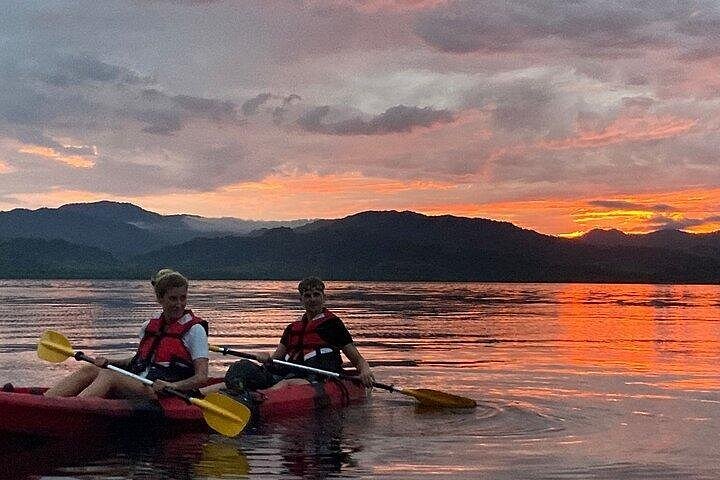
Wear light, breathable clothes, closed shoes and a hat, and bring water, sunscreen, repellent and swimwear. Respect the rules: do not feed the animals and stay on the trails. Curu pairs well with an Isla Tortuga day or a bioluminescence kayak in the same area, since all are reached from Paquera.
Where it fits in your stay
Curu is on the gulf side of the peninsula, so it fits naturally into a day that includes Paquera, whether you are catching the ferry to or from Puntarenas or taking a boat day. A private guide makes it easy to match the pace to your group, which is especially valuable for families with younger children or travellers with mobility limits.
Good to know
The refuge is privately owned and run as a conservation project, so entry rules, fees and visitor numbers are set by the owners. Booking ahead through your operator ensures a place. Stay on the paths, do not feed monkeys and keep food out of sight, since animals can become bold. In the green season, wear footwear that can handle mud, and in the dry season, bring extra water.
Seasonal notes
In the dry season, the deciduous forest opens up, making animals easier to see, and the beaches are at their best. The green season brings foliage, flowers and fewer visitors, though rain can make trails muddy. Early morning is the best time for monkeys and birds.
Wear lightweight clothing, closed shoes and a hat, and bring water, sunscreen and insect repellent, as well as swimwear if you plan to cool off. A private guide can adjust the walk to your interests, from bird identification to plant lore, so tell them what you most want to see when you book.
What to expect
The experience
A private guided walk in Curu Wildlife Refuge with forest trails, wildlife and beach time.
Best time
The dry season shows animals most easily; mornings are cooler.
How long
Roughly four to five hours including travel.
Tips
Wear light clothes and closed shoes, and bring water, repellent and swimwear.
Quick picks
- Best for
- Families and wildlife lovers who want a flexible guided day.
- Families
- Excellent for children thanks to monkeys and easy trails.
- Couples
- A calm, nature-rich day out.
- Pair with
- A boat trip or bioluminescence paddle.
- Time needed
- Allow most of a day.
Good questions
What animals live in Curu?+
Monkeys, coatis, agoutis, many birds and reptiles are all possible.
Is it a private tour?+
Yes, the title describes a private nature tour for your group.
Are the trails difficult?+
Most are easy to moderate and mostly shaded.
Can I swim?+
There are beaches in the refuge. Ask about conditions and rules.
Should I book ahead?+
Yes, especially in the dry season, since daily visitor numbers can be limited.