Normandy can be visited in every month, but the experience changes a good deal with the season. The coast is exposed, the weather is changeable, and a number of museums and hotels keep seasonal hours. This guide sets out what to expect in each season, so you can match the time of year to what you most want to see.
Spring, from March to May
Spring is a strong choice. The countryside is green, apple blossom appears in the orchards in April and May, and crowds are modest compared with summer. Days lengthen quickly, and museums move to longer hours, with the Battle of Normandy Memorial Museum in Bayeux opening continuously from 1 May. Showers are frequent, so carry waterproofs. Coastal sites such as Pointe du Hoc, Longues-sur-Mer Battery and Arromanches are pleasant on a dry spring day, and the wind is often fresh.
Early summer and the D-Day anniversary
June has the longest days and the most atmosphere, because 6 June is marked each year with ceremonies on the beaches and at the cemeteries. Around that date, roads, hotels and restaurants fill early, so book accommodation and tours well ahead, and expect closures and security around some memorials. If you want to take part, plan for crowds. If you want quiet, avoid the days around 6 June and visit later in the month or in September.
Summer, July and August
This is the peak. The weather is at its best, typically with daytime temperatures in the low twenties Celsius, though rain can come at any time, and the sea is still cold. Sites run their fullest timetables, and the Juno Park guided tours add extra departures in July and August. The trade-off is crowds at Mont-Saint-Michel, Honfleur and Étretat, and higher hotel prices. Start early, keep midday for museums, and book timed tickets. Note that some small hotels take a summer break, such as Hôtel Le Lion d’Or in Bayeux, which closes for two weeks in early August each year.
Autumn, from September to November
Autumn is the connoisseur's season. Crowds thin after the school holidays, the light is low and golden, and the apple harvest and cider-making start in the orchards, which makes a calvados or cider tasting especially fitting. Scallop season opens on the coast in the colder months, so seafood menus improve. The weather turns wetter in November. From mid-November the Utah Beach Landing Museum closes for about four weeks, and the Château de Sully, a hotel near Bayeux, closes for winter, so check before you build your itinerary.
Winter, December to February
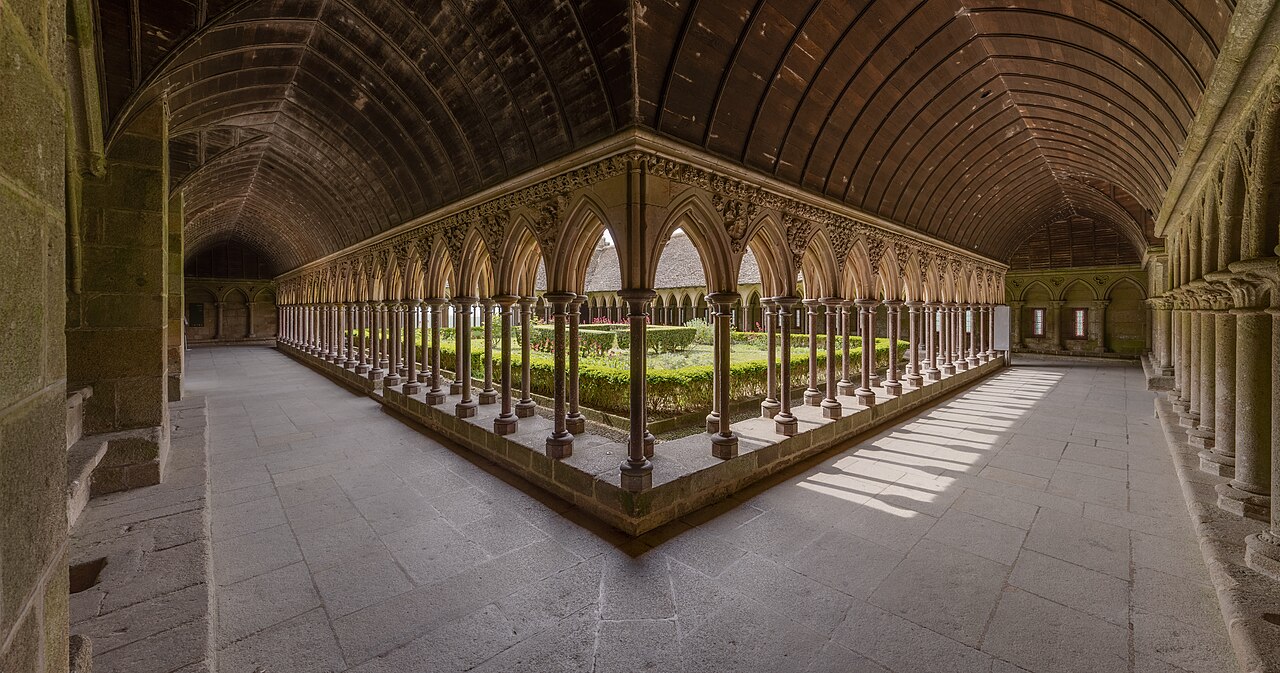
Winter is quiet and moody. Days are short, the wind off the Channel is strong, and many sites run shorter hours, with lunchtime closures at the Battle of Normandy museum and at the Pointe du Hoc visitor center from October to March. Some museums close for a few weeks, so verify each one. The compensation is solitude at the cemeteries and beaches, lower prices and cosy restaurants. Pools and spas at coastal hotels may be closed, so confirm facilities if they matter to you. Mont-Saint-Michel is at its most atmospheric on a crisp winter morning, when the day trippers are fewer.
Weather and what to pack
Rain is possible in any month, and the wind on clifftops is constant, so a waterproof, a warm mid-layer and shoes that grip on wet grass and sand are essential in every season. Sunscreen is worth packing in summer, and a hat helps on exposed headlands. Tides matter too. Mont-Saint-Michel is surrounded by a vast tidal bay, and the water level changes how the island looks, so check tide times if you want to see it surrounded by water.
Which season for which trip
For D-Day history with space to reflect, choose April, May, September or October. For long days and atmosphere, June is best, with the caveat about the anniversary. For beach days and family holidays, choose July and August. For food and cider, choose autumn. For solitude, choose winter, but plan around the closures.
Booking and timing tips
Reserve hotels and tours early for June, July and August, and for the weeks around 6 June. Shoulder months are easier, and many museums sell tickets for a set day, so check the calendar before you travel. Whatever the season, leave slack in each day, because wind, rain and traffic on coastal lanes can change a plan, and the best moments here are often the unhurried ones.