Normandy rewards a visit planned with some care. The landing beaches, the museums and the cemetery are serious places, and the best days combine a guided tour with time to reflect on your own. Bayeux, a small cathedral town largely spared in 1944, is the natural base, with the beaches a short drive away and good restaurants in the old streets.
The Bayeux Tapestry, stated plainly
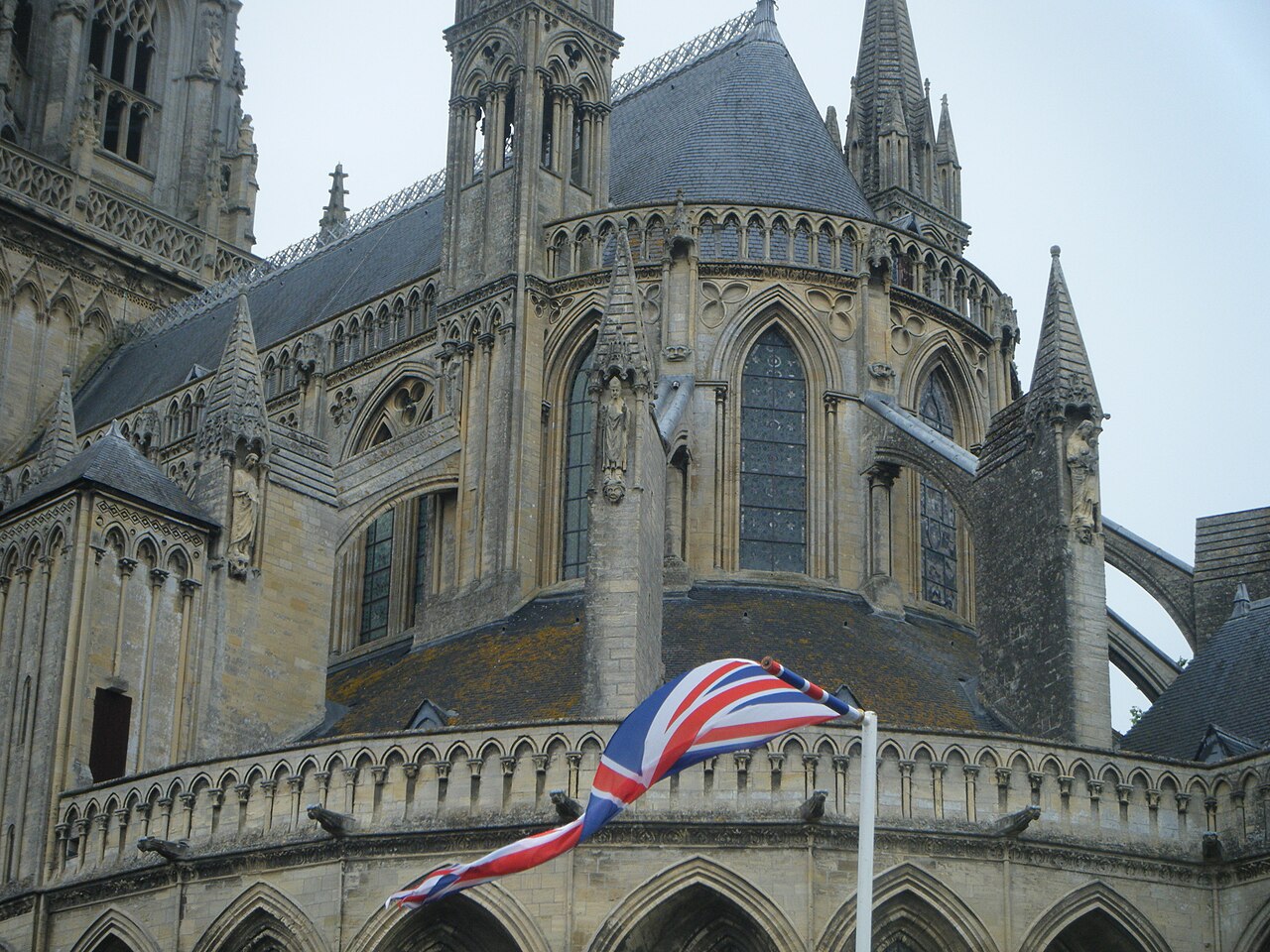
The tapestry is not on view in Bayeux. The Bayeux Tapestry Museum has been closed since 1 September 2025 for a major renovation, with reopening expected at the end of 2027. The tapestry left Bayeux on 9 July 2026 and is shown at the British Museum in London from 10 September 2026 to 11 July 2027. If it is the reason for your trip, plan around those dates. Bayeux Cathedral, which first displayed the tapestry, is free and open.
How many days
Three days is a good first visit. Give one to the American sector with a guided tour, one to the British and Canadian sectors and museums such as Arromanches 360 and the Overlord Museum, and one to Caen, Mont-Saint-Michel or the coast. Five days adds Honfleur and Étretat, and a calvados tasting in the Pays d'Auge.
What to book ahead
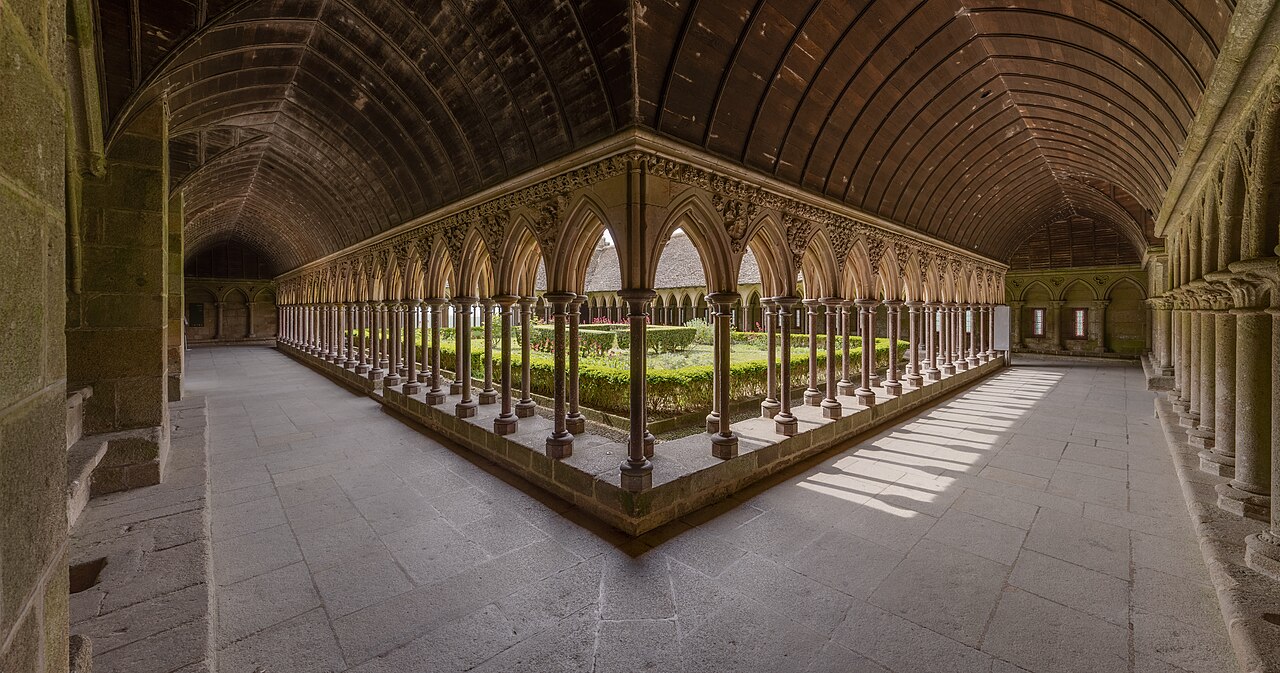
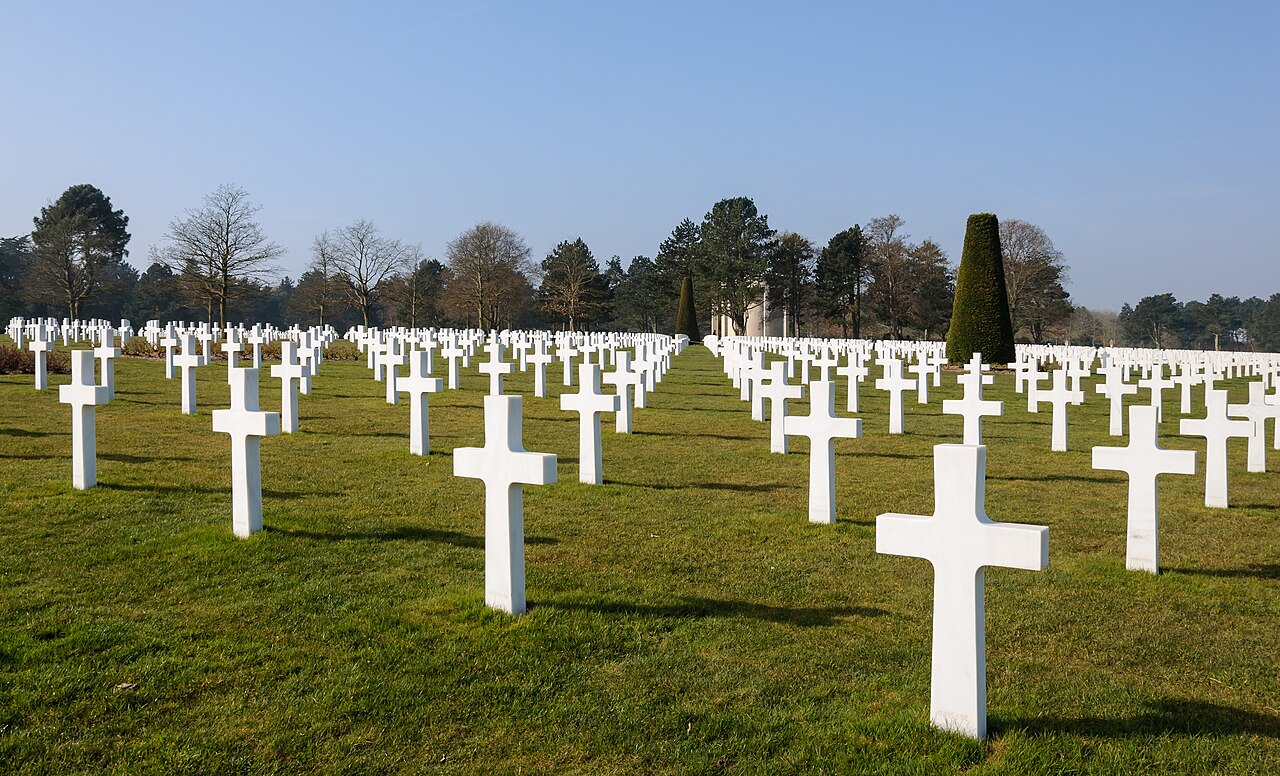
A full-day D-Day tour from Bayeux departs from Place du Québec, takes up to eight people and lasts about eight hours, so reserve it early in the season. Museum tickets such as the Caen Memorial, Arromanches 360 and Mont-Saint-Michel Abbey are best bought online for a set day. The Normandy American Cemetery is free and needs no ticket. Utah Beach Landing Museum sells tickets only on its own website and closes every year from 16 November to 14 December.
Getting around
Bayeux has a railway station with trains to Caen and Paris, but the beaches, cemetery and museums are spread out along the coast. A car gives the most freedom, a guided tour removes the driving, and a taxi suits short hops. Mont-Saint-Michel is roughly two hours each way from Bayeux, Honfleur about an hour and a half and Étretat about two hours, so treat them as separate days. If you drive from Paris, note that a section of the A13 is closed from 16 November 2026 to August 2027.
Where the headline sights fit
Day one: Bayeux Cathedral in the morning, then the American cemetery and Omaha Beach. Day two: Arromanches and the Mulberry harbour, the Overlord Museum and the British sector. Day three: Caen Memorial or Mont-Saint-Michel. Keep evenings free, because many people find the days emotionally tiring.
Etiquette
Cemeteries and memorials are places of remembrance. Speak quietly, keep children close, do not walk on graves and do not remove items from the beaches or memorials. Weather can change quickly, so carry waterproofs and sturdy shoes.
Choosing between the museums
If you can only visit one museum, pick by interest. The Caen Memorial gives the widest account, from the road to war to the Cold War, and needs about half a day. The Overlord Museum, beside the American cemetery, is about vehicles and soldiers' belongings and suits a shorter visit. Arromanches 360 pairs a short film with the remains of the Mulberry harbour in the bay, and the Utah Beach Landing Museum tells the American landing from the sand itself.
Beyond the war
Not everything in Normandy is about 1944. Mont-Saint-Michel Abbey, Honfleur's old harbour and the chalk cliffs at Étretat are the best-known sights further afield, and a calvados tasting in Pont-l'Évêque shows the apple country that gives the region its cider and brandy. All of them are long days from Bayeux, so decide early whether you want a base change.
In November
Days are short and often wet, but sites are quiet. Check hours, because several places change their winter schedules, and book hotels with parking if you plan to drive. Dress in layers, carry waterproofs, and allow extra time for the drive between sights, since coastal roads can be slow after dark.
More to see once you are here
The free Pointe du Hoc Ranger Monument and the Longues-sur-Mer gun battery are easy additions to a coastal drive, the Airborne Museum in Sainte-Mère-Église covers the paratroopers who landed first, and the Juno Beach Centre tells the Canadian story with a guided tour through German bunkers. See the three-day itinerary and the sector-by-sector guide for ways to sequence them.