Three days is the sweet spot for a first visit to Normandy. It is long enough to cover the landing beaches in sequence without rushing, short enough to keep the driving sensible, and it leaves one day free for something beyond 1944. This plan keeps you in one base, Bayeux, or close to it, so you unpack once and let the days build on each other. Read it as a pattern rather than a timetable, and swap days around to suit the weather and the opening days of the places you want most.
Day one: Bayeux and the British sector
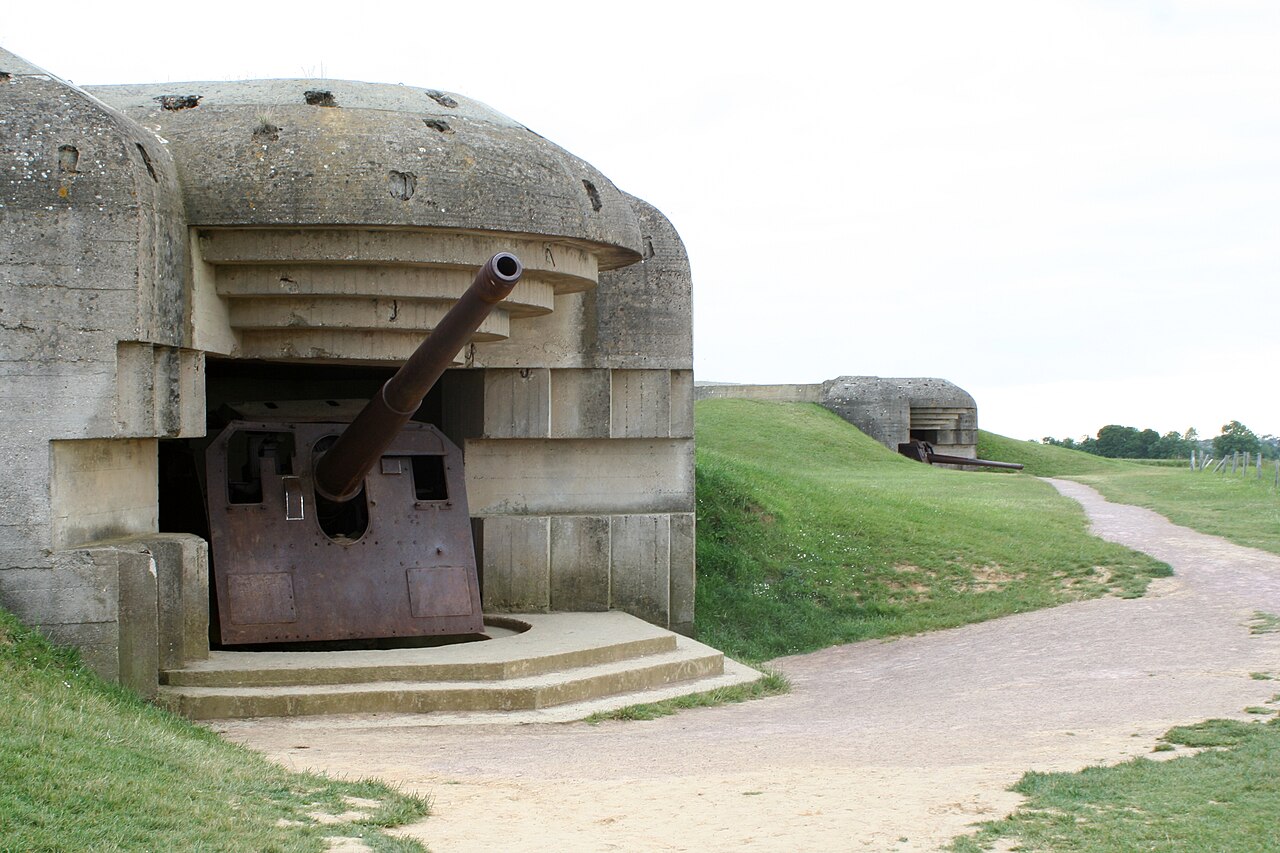
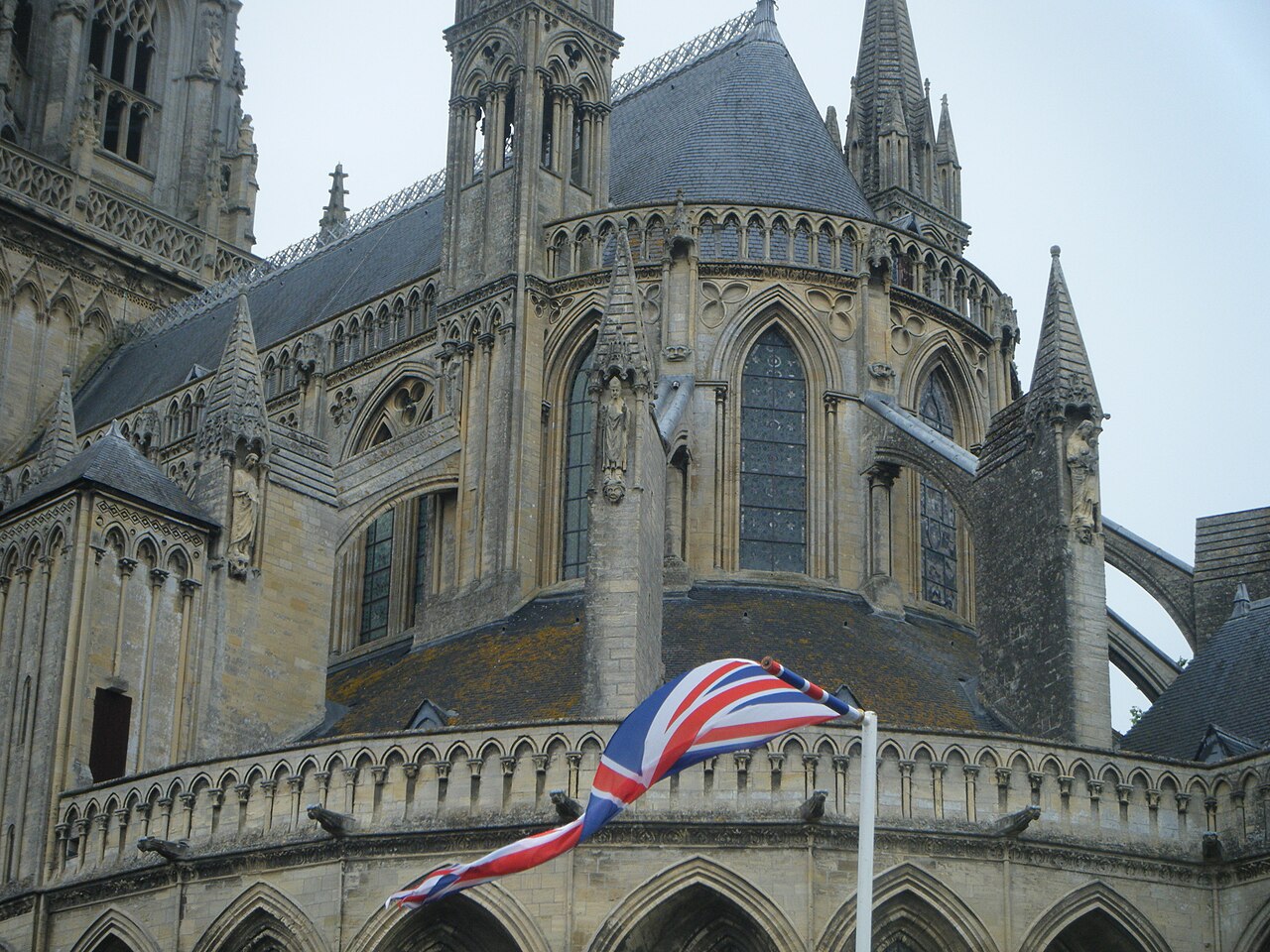
Start in town. Bayeux Cathedral is free to enter and is the one sight in the old centre that you should not skip, and the Battle of Normandy Memorial Museum on Boulevard Fabian Ware gives the whole campaign in a chronological sequence from 7 June to 29 August 1944. Allow one to two hours there, and walk across the road to the Bayeux War Cemetery. The Bayeux Tapestry is away from the town at present, so the museum is the best way to anchor the history of the place. After lunch, drive to the coast. Longues-sur-Mer Battery, about a quarter of an hour from Bayeux, is free and takes under an hour, and you can see four casemates that still hold their original guns. Finish at Arromanches 360 and the Mulberry harbour remains in the bay, where the short circular film and the view of the concrete caissons in the water explain how the Allies supplied an army without a port.
Day two: the American sector
This is the heaviest day, so start early. If you want a guide and no driving, the small-group full-day D-Day tour from Bayeux covers Omaha Beach, Pointe du Hoc, Utah Beach, Sainte-Mère-Église and the American cemetery. If you prefer to drive yourself, do it in this order: Pointe du Hoc Ranger Monument first, because the visitor center and the craters are best before coach groups arrive, then the Normandy American Cemetery at Colleville-sur-Mer, then Omaha Beach below it, and the Overlord Museum next to the cemetery for the objects and vehicles. Eat at a place along the coast and keep the evening free. Many people find the cemetery draws more out of them than they expect, and a quiet dinner in Bayeux is the right ending.
Day three: choose one
Normandy offers four good third days, and the right one depends on your interests. For the airborne story, drive to Sainte-Mère-Église for the Airborne Museum and the village church, then on to Utah Beach Landing Museum, which is closed each year from mid-November to mid-December. For the Canadian sector and the wider war, take the Caen Memorial in the morning, which needs about half a day, and the Juno Beach Centre at Courseulles-sur-Mer in the afternoon, with the guided Juno Park tour through the German bunkers. For a change of scene, Mont-Saint-Michel is roughly two hours each way from Bayeux, so it is a long day, best started early so that you reach the Abbey before the crowds. For the coast and food, go to Honfleur, about an hour and a half away, for the old harbour and Sainte-Catherine Church, with a calvados tasting at Pont-l'Évêque on the way.
Getting around
A car gives the most freedom, because the sights are spread along roughly eighty kilometres of coast. Roads are good, but coastal and country lanes are narrow, and parking at the smaller sites is easy. A guided tour removes the driving on the busiest day, and taxis can bridge short gaps. Bayeux has a railway station with trains to Caen and Paris, but trains do not reach the beaches, so rely on a tour or a car for the second day.
Practical rhythm
Start each day by about nine, because the best sites fill up around midday in summer. Carry waterproofs, sturdy shoes and a warm layer in every season, because the weather on this coast changes quickly. Eat lunch where you are rather than driving into Bayeux, and keep dinner in town, where the old streets have plenty of restaurants. Check hours before you set out, because museums here keep seasonal hours, with shorter days from October to March and some closing for a few weeks each winter. At the cemeteries and memorials, speak quietly and keep to the paths.
If you have only two days
Combine day one and two by doing Bayeux Cathedral and the Battle of Normandy museum in a short morning, then Longues-sur-Mer and Arromanches in the afternoon, and give the second day entirely to the American sector. If you have four, add the Caen Memorial and Juno Beach Centre on the extra day and keep the Mont or Honfleur as your final day.
Where to sleep
Central Bayeux suits walkers and train users, while a country house or coastal hotel makes the car trips shorter. See the guide to choosing a base for the options, from a budget room with parking to a château with a spa.