Food is one of the best reasons to come to North Macedonia. The cuisine sits at a crossroads of Balkan, Ottoman and Mediterranean traditions, and the result is generous, flavourful and unfussy: grilled meat, fresh vegetables, peppers, beans, cheese, good bread and strong coffee. Prices are modest, portions are large and nobody hurries you. This guide covers what to order, what to drink and how to organise your meals around the sights.
Start with the salads and spreads
Shopska salad, a mix of tomato, cucumber, onion and pepper topped with grated white cheese, appears at almost every table, and it is a good way to start. Ajvar, a smoky spread of roasted red peppers, is eaten with bread and grilled meat, and in autumn many families make it at home. Look also for pindjur, a spread of peppers and aubergine, and for fresh white cheese, which tastes lighter than feta. Lutenica, a relish of peppers and tomato, comes with breakfast and with grills.
The grill
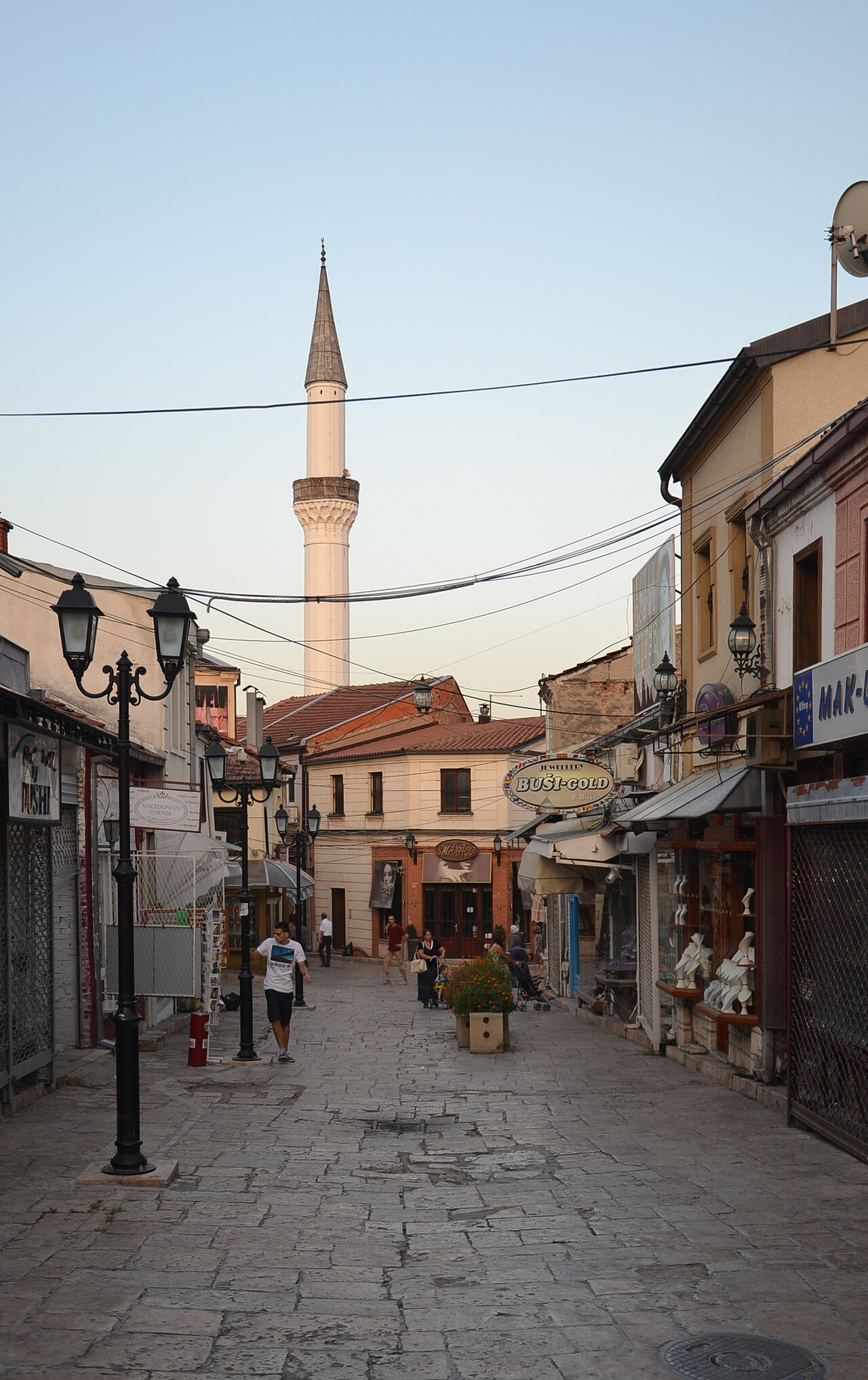
Kebapi, small grilled minced-meat sausages served with bread, onion and sometimes a spoonful of ajvar, are the classic fast meal in Skopje, and the Old Bazaar is full of grills that cook them over charcoal. Plieskavica, a larger grilled patty, and skara, mixed grilled meats, are the sit-down versions. Order by weight or portion, share and add a salad. The smoky smell is part of the bazaar's atmosphere in the evenings.
Baked dishes and bakery breakfasts
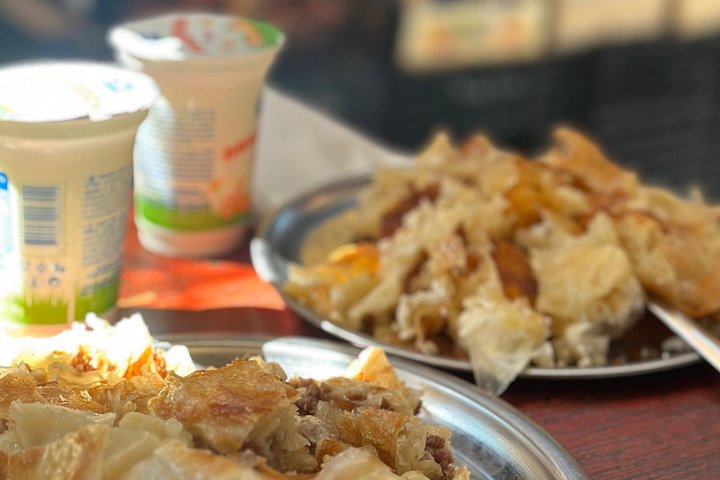
Burek, a flaky pastry filled with cheese, spinach or meat, is the breakfast of choice, usually eaten with yoghurt or ayran, a salty yoghurt drink. Bakeries open early and sell warm pastries by the piece, so a quick breakfast costs very little. Tavče gravče, the national dish, is a casserole of white beans baked with peppers and paprika in a clay dish, and it is hearty, smoky and best on a cool day. Zelnik, a pie of leeks or spinach, and sweet pastries appear in bakeries and family restaurants.
Lake Ohrid specialities
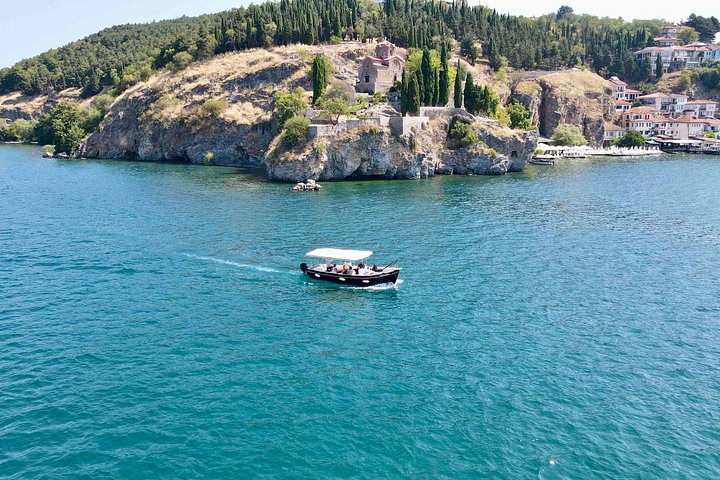
Ohrid is known for its trout, usually grilled or baked, and for the local dishes that go with it, such as fresh salads and baked potatoes. Ohrid trout is a local speciality and the native fish is protected, so ask in restaurants where the fish comes from, and treat the dish as a special meal. Eat it by the water in the evening, with a glass of white wine, and expect it to cost more than a grill in Skopje.
Wine and rakija
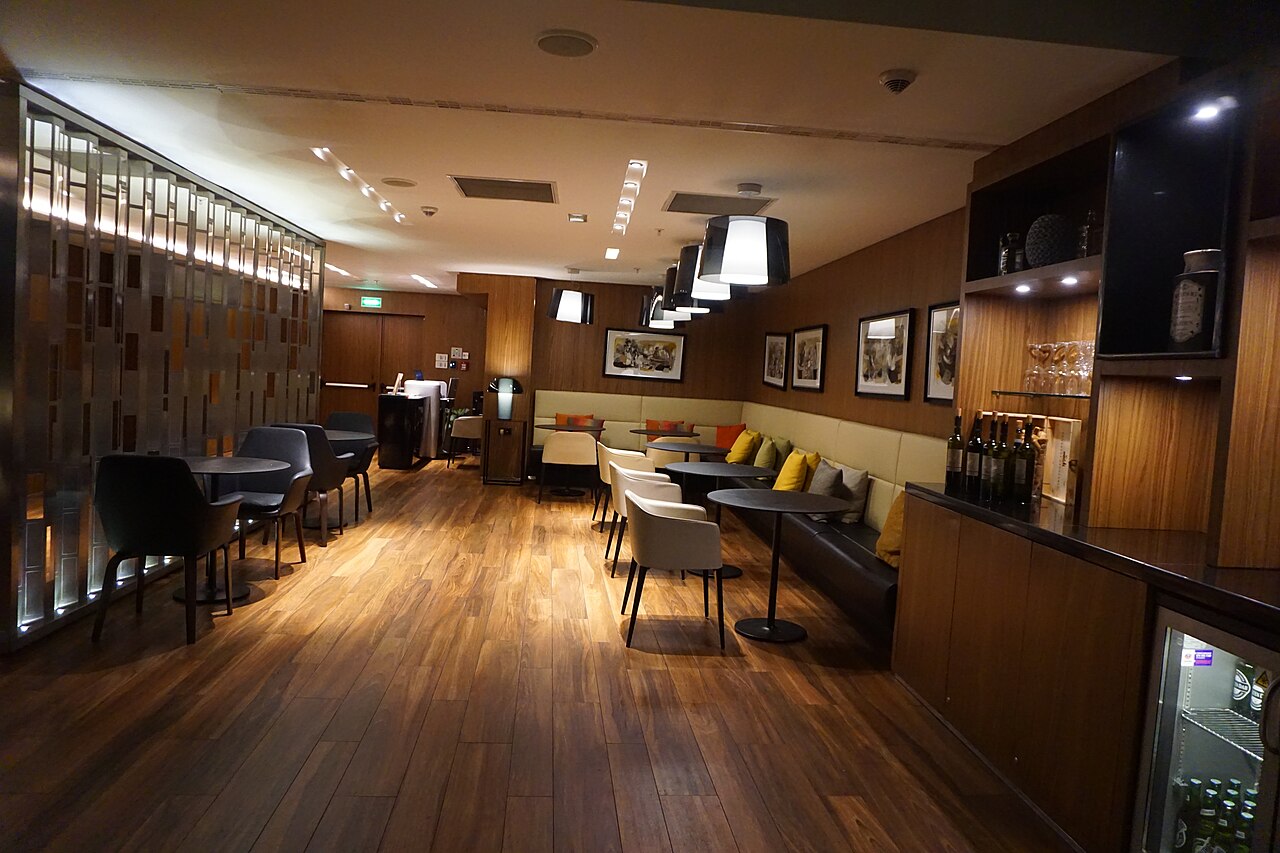
The country's best wines come from the Vardar valley and the Tikveš region, where the dark Vranec grape makes full-bodied reds, and Smederevka and Temjanika make fresh whites. Wine is good value in restaurants and wine bars, and a winery visit is easy to arrange. Rakija, a fruit brandy usually made from grapes, plums or quince, is the traditional spirit, drunk as an aperitif with salad and cheese. Local beers are light and cheap, and Turkish coffee is served everywhere in a small pot with a glass of water. A guided wine tasting in Skopje, or a day in the Tikveš region, is the most relaxed way to learn about the wines.
Where to eat
In Skopje, the Old Bazaar is the place for grills and traditional restaurants, with courtyard cafes and tea houses for breaks, while the new centre has modern restaurants and wine bars. A Skopje street food tour is the easy way to taste burek, ajvar and kebapi in one evening with someone who knows the best places. In Ohrid, lakeside restaurants cater to visitors, and side streets in the old town often have better prices and a more local feel. Villages along the roads to Sveti Naum and Mavrovo have family restaurants that serve simple, seasonal food, often with excellent bread and cheese.
Practical tips
Lunch is the main meal for many locals, and dinner starts late in summer. Tipping around ten per cent is appreciated rather than required, and cash is useful in small places. Vegetarians will find plenty of salads, beans, peppers, cheese and baked vegetables, though meat dominates many menus, so ask when ordering. Bottled water is cheap and widely sold. Ask your hotel or guide about the day's specials, because the best dishes often depend on the season.