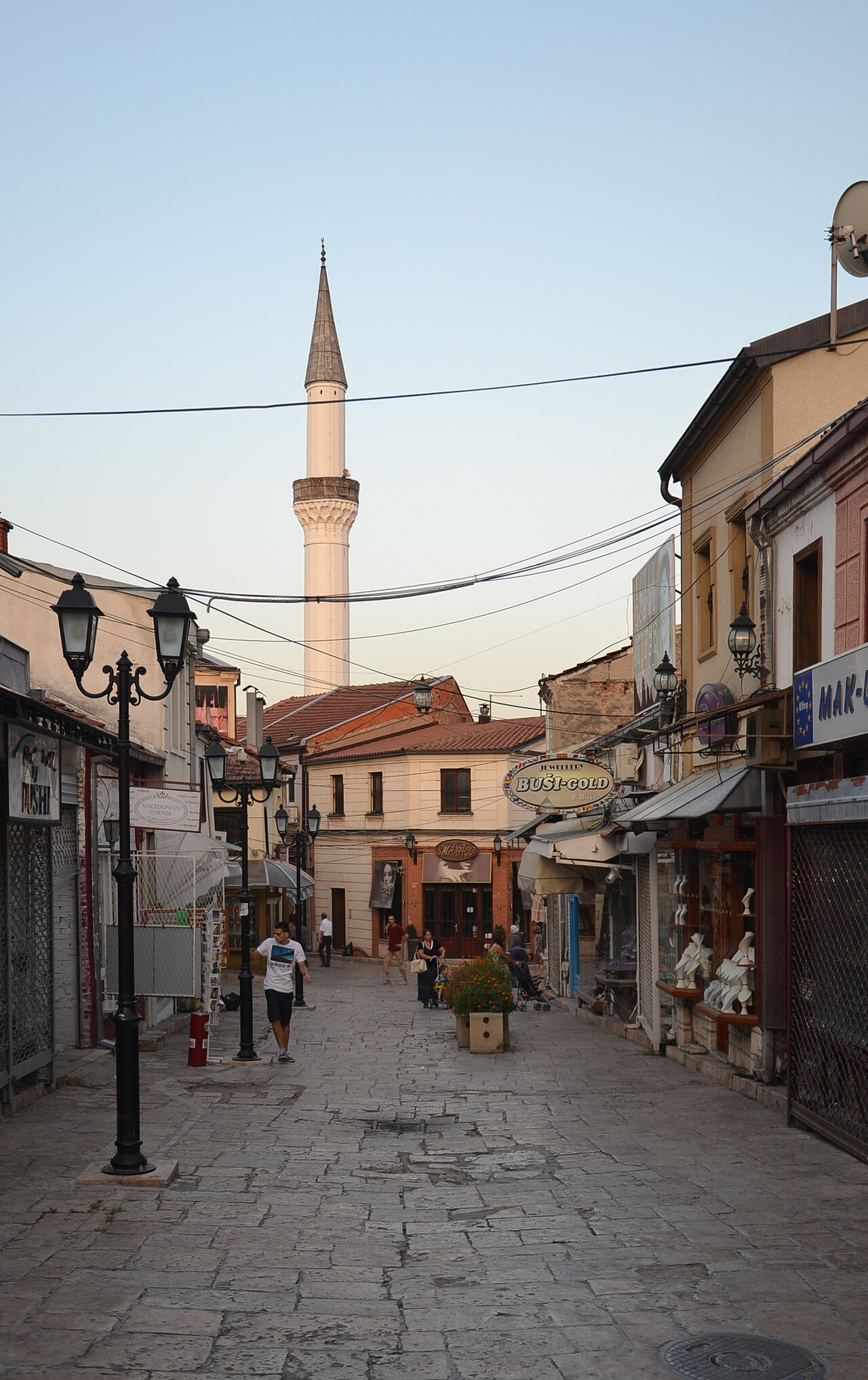
North Macedonia is small, which is its great advantage. Skopje, the capital, holds an Ottoman bazaar, a hilltop fortress and a mountain cross, and Ohrid, about three hours south-west by road, holds a UNESCO old town on one of Europe's oldest lakes. Most first-timers see both, and the sensible plan is to treat them as two bases rather than one rushed loop.
What to book ahead
Very little here sells out, which makes it relaxed. The things worth arranging before you travel are guided outings: a Matka Canyon half-day or a Millennium Cross tour from Skopje, a Skopje street food tour for your first evening, and, if you plan to use a guide for Sveti Naum, a private tour or a taxi. Ohrid boat trips are seasonal, with operators publishing a main season of roughly May to September and services falling sharply after October, so in November confirm a sailing with the operator before you plan around it. Hotels in Ohrid are easier to find in the off-season, while Skopje is steady all year.
How many days
Three to four days is a comfortable minimum. Give Skopje a day and a half: the Old Bazaar and Skopje Fortress in one afternoon, and Matka Canyon with the Millennium Cross on a half-day. Give Ohrid two days: one for the old town, Samuel's Fortress and St. John at Kaneo, and one for the shore road to Sveti Naum. With only two days, a guided Ohrid day trip from Skopje covers the lake in a very long day, but staying a night is far better.
Getting around
In Skopje, the central sights are walkable: Macedonia Square, the Stone Bridge, the Old Bazaar and the Fortress sit within a short stroll of each other. Taxis are inexpensive and available through local apps, and bus 60 runs to Matka Canyon in about 50 minutes, with tickets bought through the SkopjeBus app because buses do not take cash. Between the two cities, the drive takes about three hours, and you can go by bus, shared transfer, rental car or an organised tour. In Ohrid, the old town is entirely on foot, with steep steps and cobbles, so wear shoes with grip. For Sveti Naum, the shore road works all year by taxi or car.
Where the sights fit
In Skopje, start at the Stone Bridge and walk into the Old Bazaar for coffee and lunch, climb to the Fortress for the view, and save the Millennium Cross for a clear afternoon or dusk when it is lit. Matka Canyon works as a morning outing, either on a tour or by taxi. In Ohrid, climb from the Upper Gate to Samuel's Fortress, continue through Plaoshnik to St. John at Kaneo, and return along the lakeside path, then spend your second day at Sveti Naum and the springs. A visit to St. Sophia and the Perivleptos church fits between the two.
Money and practicalities
The currency is the denar, and cards are widely accepted in hotels and restaurants, though small cafes, market stalls, boat operators and church entrances often prefer cash, so carry a little. Prices are modest by western European standards. Dress modestly for churches, monasteries and mosque courtyards. Tipping is appreciated rather than expected.
November notes
Expect cool, sometimes foggy days and early dusk. The bazaar's tea houses and grills are at their cosiest, the lake is quiet, and crowds are thin. Seasonal boats, beach bars and some lakeside businesses are closed or reduced, and winter hours at fortresses and churches can be short, so check locally before a special trip. Pack layers and grippy shoes.
The honest adjustments
If you only want one city, choose Ohrid for scenery and history or Skopje for variety and food. Families with young children should shorten the day trips and avoid the steep fortress hill in wet weather. Whatever you choose, leave an evening for a long dinner: the food is a highlight, and nobody hurries you.