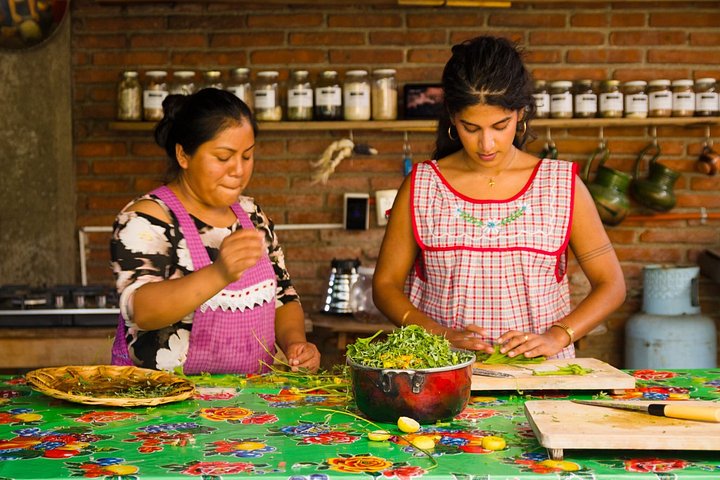
Alebrijes are the brightly painted wooden creatures that have become one of the best-known folk art forms in Mexico, and the Oaxacan version is carved by hand from soft copal wood in villages south of the city. San Martín Tilcajete is the most famous of them, a small village of workshops where whole families carve, sand and paint, and where a figure may pass through five or six pairs of hands. The animals are not realistic. Jaguars have feathered wings, armadillos sprout horns and a rooster may be covered in tiny dotted patterns that carry meaning in Zapotec design. A painting workshop lets you take part rather than just watch: you choose a carved figure, usually in the shape of an animal, and decorate it with fine brushes and acrylic or natural-based paints under the guidance of a local artist. The work demands steady hands, and the results are charmingly personal. At the end you keep your creation, which makes a far better souvenir than anything bought from a stall. Tours with pickup from the city take care of the short drive, and the activity is relaxed enough for beginners, couples and families.
The craft behind the colour
Alebrije carving in Oaxaca grew out of local woodworking traditions, and today the village is known for carvers who select copal wood, cut it while it is green, carve it with machetes and knives, dry it for weeks and then sand it smooth before painting. The painting is where the creatures come alive, with patterns that often draw on Zapotec fret designs, flowers and the textures of Oaxacan textiles. Some artists still prepare pigments from plants, minerals and cochineal, and you may be shown the difference between traditional and commercial colours.
What a workshop is like
You will usually sit at a table in a family workshop or studio, choose a figure, and be shown how to plan a design and apply layers of colour from the background to the finest details. Expect a relaxed session of about two hours, with plenty of help for anyone who has not painted before.
A small tour of the carving area, where you can watch artists at work, is often included. Pieces need time to dry, so you will normally be able to take your figure home the same day wrapped for travel, though very detailed designs may need a little care in a suitcase.
Planning and buying
The village is on the road south of the city, about thirty minutes by car, and combines well with the weekly market at Ocotlán and with the black pottery of San Bartolo Coyotepec. If you want to buy finished alebrijes, compare workshops, because prices vary hugely with the size, the carving quality and the intricacy of the painting.
Ask who made a piece and whether the paints are natural. Authentic work from a recognised workshop will usually be signed. Wear clothes you do not mind marking, and bring cash for any purchases and tips.
The workshop suits children from about eight, who often enjoy it enormously. Good to know: workshops use simple demonstrations and plenty of gestures, so strong Spanish is not needed. Allow a little extra time at the end to browse the carvers' showrooms, where the finished pieces range from palm-sized mice to life-sized jaguars. If you plan to buy, ask the artists about the wood and the paints, take a photo of the maker with your piece, and keep small bills for tips.
What to expect
The experience
A hands-on painting session in a family workshop in San Martín Tilcajete, with a look at the carving process and transfers from the city.
Best time
Any morning or afternoon, and the dry season from roughly November to April is the most pleasant for the drive.
How long
About two hours of painting, three to four hours including the journey.
Tips
Wear clothes you do not mind marking, bring pesos for purchases and let your figure dry before you pack it.
Quick picks
- Best for
- Creative travellers who want to make something themselves rather than just shop.
- Families
- Children from about eight usually love choosing and painting their own animal.
- Couples
- A relaxed, creative activity that ends with a keepsake you made together.
- Pair with
- San Bartolo Coyotepec black pottery, the Ocotlán market and a long lunch.
- Time needed
- Half a day.
Good questions
What is an alebrije?+
An alebrije is a carved and painted wooden figure of a real or fantastical creature. In Oaxaca they are carved from copal wood and decorated with intricate patterns.
Do I need artistic skill?+
No. The artists guide you through each step, and the charm of the finished piece comes from its personal touches.
Can I take the figure home?+
Yes, you keep what you paint. Allow it to dry and ask the workshop how best to wrap it for travel.
Where is San Martín Tilcajete?+
It is a village on the road south of Oaxaca city, about thirty minutes by car, near Ocotlán and Arrazola.
Is it suitable for children?+
Yes, older children enjoy it, and workshops can often suggest simpler figures for beginners.