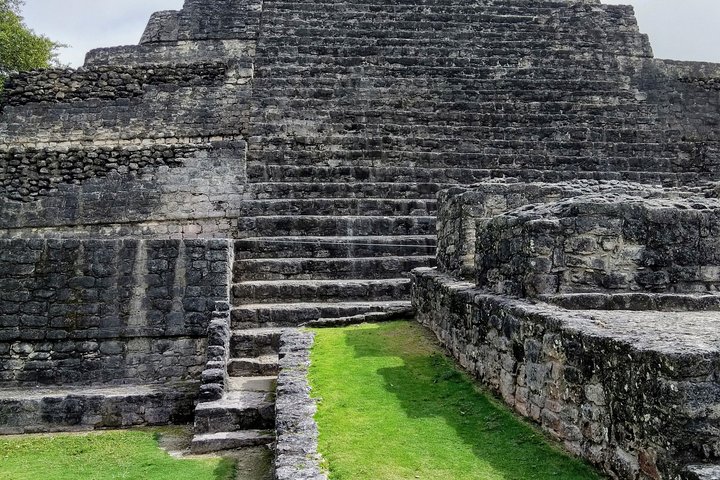
The Zapotec capital on a levelled mountaintop above Oaxaca city, with a vast ceremonial plaza, carved Danzante stones and views over three valleys. It is the one archaeological site every visitor should see, and it is only a short drive from the centre.
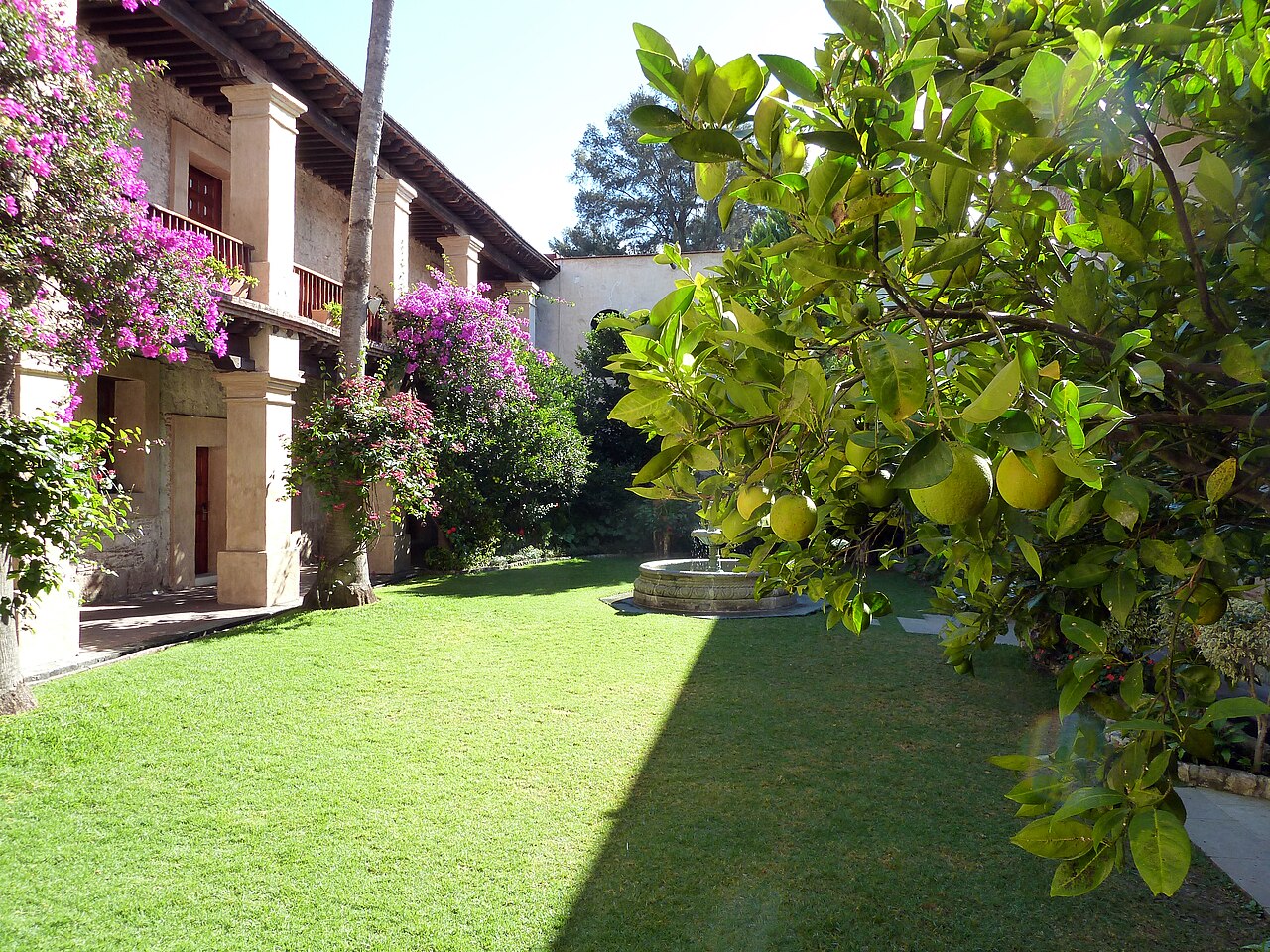
A gilded Baroque church and the former convent beside it, now the museum that tells Oaxaca's story from the Zapotecs to today. The ethnobotanical garden behind it is one of the loveliest quiet spaces in the city.
FreeThe shaded Zócalo, the green-stone cathedral and the arcaded streets around them make up one of Mexico's best walking centres. It is free, endlessly lively and the place to start every day in Oaxaca.
2-4 hours (or every day)Details → 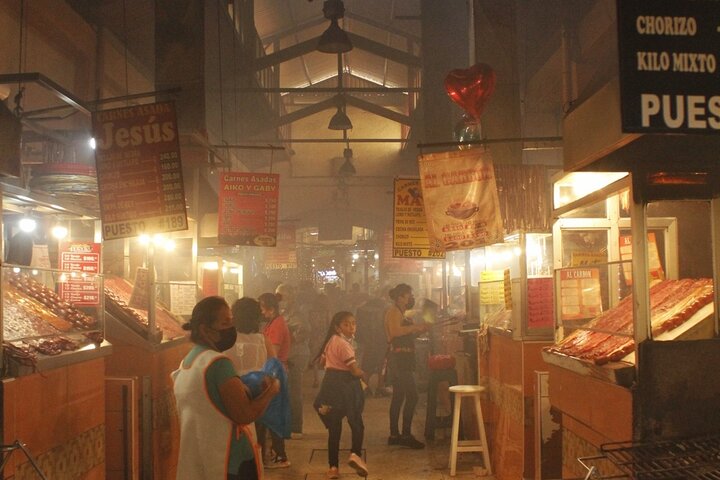
Oaxaca's covered markets are where its food culture lives: mountains of chiles, chocolate, tlayudas and grasshoppers, and the smoky grill hall of 20 de Noviembre. A guided market and food tour turns the maze into a feast.

Petrified waterfalls of white mineral rock frozen on a cliff edge, with natural turquoise pools on top and a sweeping valley view. It is the most photographed day trip from Oaxaca and a lovely contrast to the ruins and markets.
Half to full day$$Get tickets → 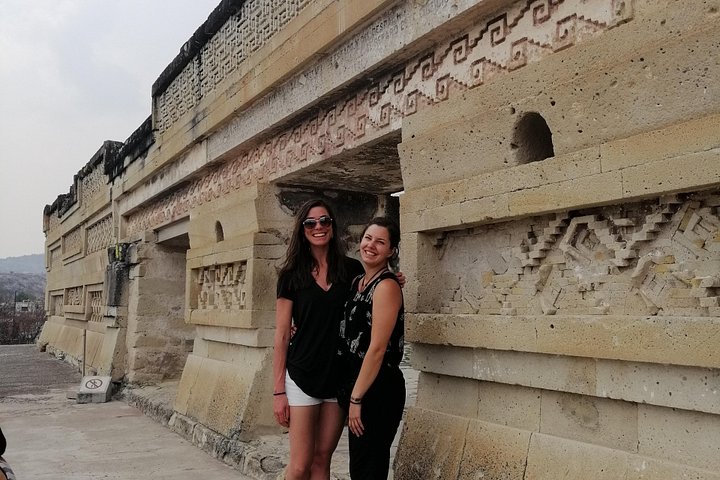
Mitla is famous for stone mosaics of geometric fretwork found nowhere else in Mexico, set in a village where a church was built on top of a ceremonial centre. It is a calm, atmospheric complement to the monumental scale of Monte Albán.
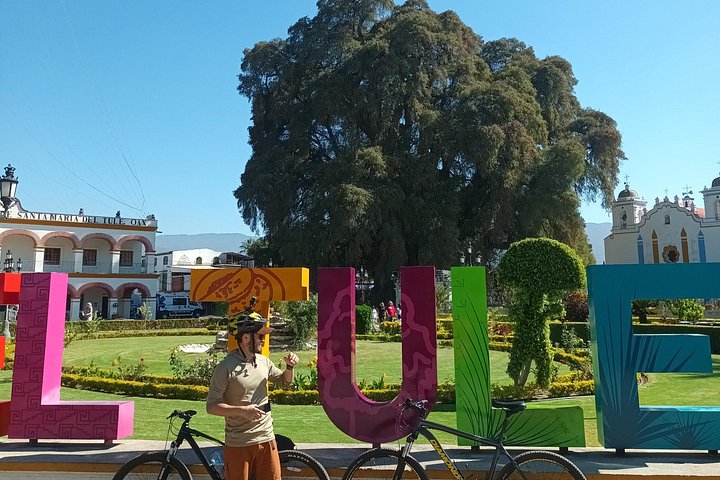
A huge Montezuma cypress in the churchyard of Santa María del Tule, famed for having one of the widest trunks of any tree on Earth. It is a quick, charming stop east of the city and works well as a bike ride or as a first stop on a day trip.
1-2 hours (half day by bike)$Get tickets → 
See agave plants in the fields, watch it roasted in earth pits and distilled in clay or copper, and taste mezcals made by small producers. It is the best way to understand why Oaxaca is the home of this spirit.
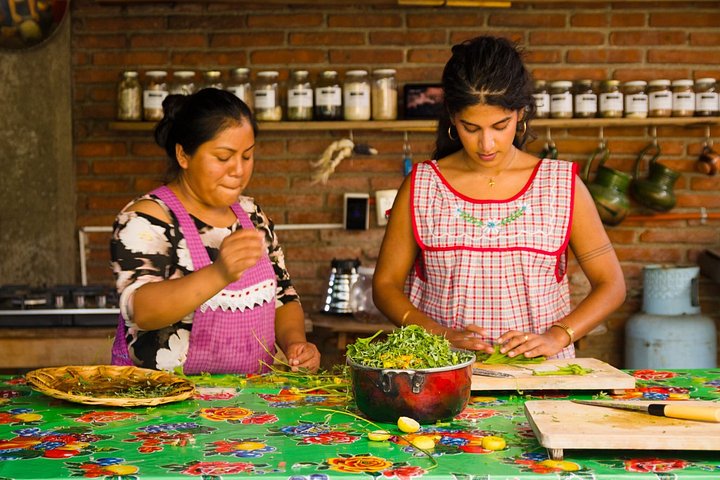
Shop the market with a local cook, then grind, simmer and shape a Oaxacan meal from scratch, from handmade tortillas to a pot of mole. It is one of the most rewarding things you can do in the city and ends with a long, delicious lunch.

Oaxaca's Day of the Dead is one of the most moving festivals in Mexico, with home altars, flower-covered graves, parades of costumed comparsas and candlelit cemeteries. It runs from late October to early November, so plan a year ahead.
Evening (about 5 hours)$$$Get tickets → A Zapotec weaving village east of Oaxaca where families still spin, dye and weave wool rugs on treadle looms. Visit a family workshop, see natural dyes made from cochineal and indigo, and finish with a cup of local hot chocolate.
Paint your own alebrije, one of the fantastical carved wooden animals Oaxaca is famous for, in the woodcarving village of San Martín Tilcajete. A hands-on workshop with a pickup from the city.