Out beyond the paved roads of Joshua Tree, on a graded dirt lane called Blair Lane, a field of sculptures rises from the creosote: assemblages of salvaged wood, rusted metal, appliances and household objects stacked into towers, walls and shapes you have to walk around. This is the Noah Purifoy Desert Art Museum of Assemblage Art, the outdoor life's work of one of the most important American assemblage artists. Purifoy, born in 1917, trained as a social worker and artist, helped found the Watts Towers Arts Center in Los Angeles, and after the 1965 Watts uprising made art from the charred debris. In 1989 he moved to the Mojave Desert and spent the rest of his life, until his death in 2004, building large-scale outdoor works from discarded material on roughly ten acres. The site is run by the Noah Purifoy Foundation, is open every day of the year from sunrise to sunset and is free to visit. You sign in at a welcome kiosk near the mailboxes, take a brochure for a self-guided walk, and wander the paths on your own. It is raw, thoughtful and quietly moving, the opposite of a polished museum.
The works carry real political and emotional weight, and reading about Purifoy before you go makes the walk richer. His pieces from the desert years turn waste into commentary on consumption, race, memory and the way a society treats what it throws away. Some are playful, some are bleak, and many are monumental enough to walk around or beneath.
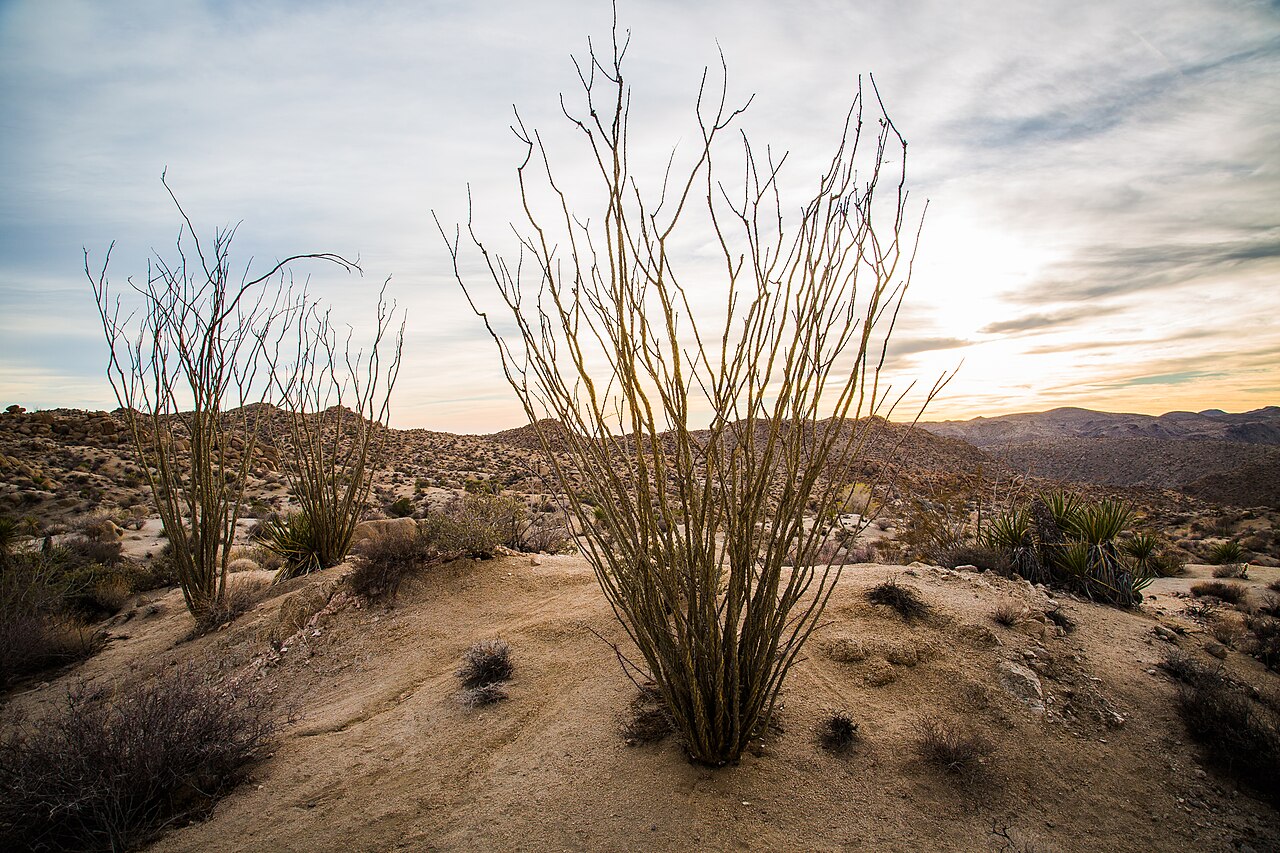
The scale of the desert, the quality of the light and the near silence give the sculptures a presence they would never have inside a gallery. Photographs are welcome, but treat the work with respect: it is fragile, and nothing should be climbed on or moved.
Visit practicalities are simple but worth reading. Admission is free, and the museum asks you to sign in at the kiosk before you start. Groups of more than ten people must arrange a visit with the Foundation in advance through its website. Well-behaved dogs are welcome if they are leashed, supervised and cleaned up after. There is no shade to speak of among the sculptures, so go early or late, wear a hat and closed shoes, and bring water, particularly from late spring to early autumn when midday heat is severe.
Winter and early spring mornings are the most comfortable. The site is open sunrise to sunset every day, so the golden hour is a good time to photograph.
Getting there means driving the last stretch on dirt. The final approach on Blair Lane is a graded dirt road, and the museum warns that dirt roads in the area can be damaged by storms, so drive carefully and check conditions after rain; a rental sedan is usually fine in dry weather if you go slowly. Park in the shade across the road from the entrance.
The museum fits easily into a Joshua Tree day with the national park, the Integratron sound bath and an evening in Pioneertown. If you are staying in Palm Springs it is a long but rewarding day trip, and for travelers who want one cultural stop that feels completely unlike the resort scene, it is the most memorable in the desert.
What to expect
The experience
A free self-guided walk through ten acres of outdoor assemblage sculpture, with a brochure from the welcome kiosk.
Best time
Early morning or late afternoon, and cooler months from late autumn to spring.
How long
One to two hours, longer if you like to photograph.
Tips
Sign in at the kiosk, bring water and a hat, wear closed shoes, drive the final dirt road slowly and check conditions after storms.
Quick picks
- Best for
- Art lovers, photographers and anyone who likes places that feel uncurated and a little strange.
- Families
- Free and open air, though there is no shade and the work is fragile, so keep children close.
- Couples
- A thoughtful, offbeat stop that makes good conversation afterward.
- Pair with
- The Integratron, Joshua Tree National Park or Pioneertown.
- Time needed
- Allow one to two hours on site.
Good questions
Is the Noah Purifoy Desert Art Museum free?+
Yes. Admission is free and the site is open every day of the year from sunrise to sunset.
Who was Noah Purifoy?+
An assemblage artist who co-founded the Watts Towers Arts Center in Los Angeles, made work from the debris of the 1965 Watts uprising and built the desert sculptures from 1989 until his death in 2004.
Can I bring my dog?+
Well-behaved dogs are welcome if they are leashed, constantly monitored and cleaned up after.
Is the road paved?+
The last stretch on Blair Lane is a graded dirt road. Drive slowly, and check conditions after storms, which can damage dirt roads in the area.
Do I need to book?+
No booking is needed for individuals. Groups of more than ten people must arrange their visit with the Foundation in advance.