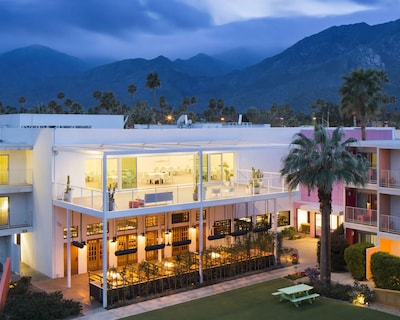
Palm Springs looks simple from a distance — sunshine, palm trees, a pool — and in a sense it is. But first-timers who understand a few things about the desert, the valley and the calendar have a far better trip than those who just turn up. Here is the orientation we wish everyone had before their first visit.
Get the geography straight
Palm Springs is the oldest and most famous of nine cities strung along the Coachella Valley, a long desert basin running southeast from the San Gorgonio Pass toward the Salton Sea. Palm Springs sits at the western end, pressed against the vertical wall of Mount San Jacinto. Heading down-valley along Highway 111 you pass Cathedral City, Rancho Mirage (Sunnylands, big resorts), Palm Desert (El Paseo shopping, the Living Desert), Indian Wells, La Quinta (the century-old resort) and Indio, home of the Coachella and Stagecoach festivals. Interstate 10 runs along the valley's northern edge. Within Palm Springs, downtown and the Uptown Design District line Palm Canyon Drive; the Movie Colony and Racquet Club areas lie north and east; the Tennis Club neighborhood climbs the slope just west of downtown; and South Palm Springs, along East Palm Canyon Drive, holds hotels like the Ace, the Saguaro and the Parker plus some of the best midcentury neighborhoods.
Respect the heat
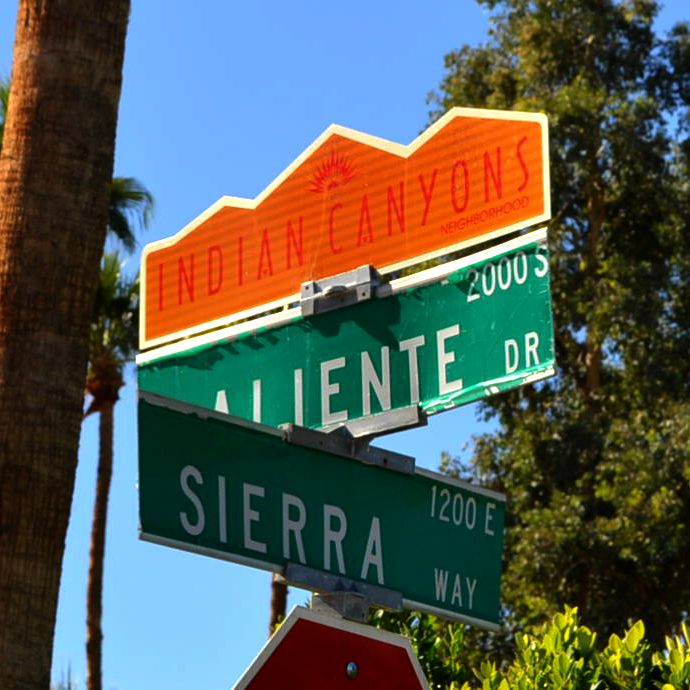
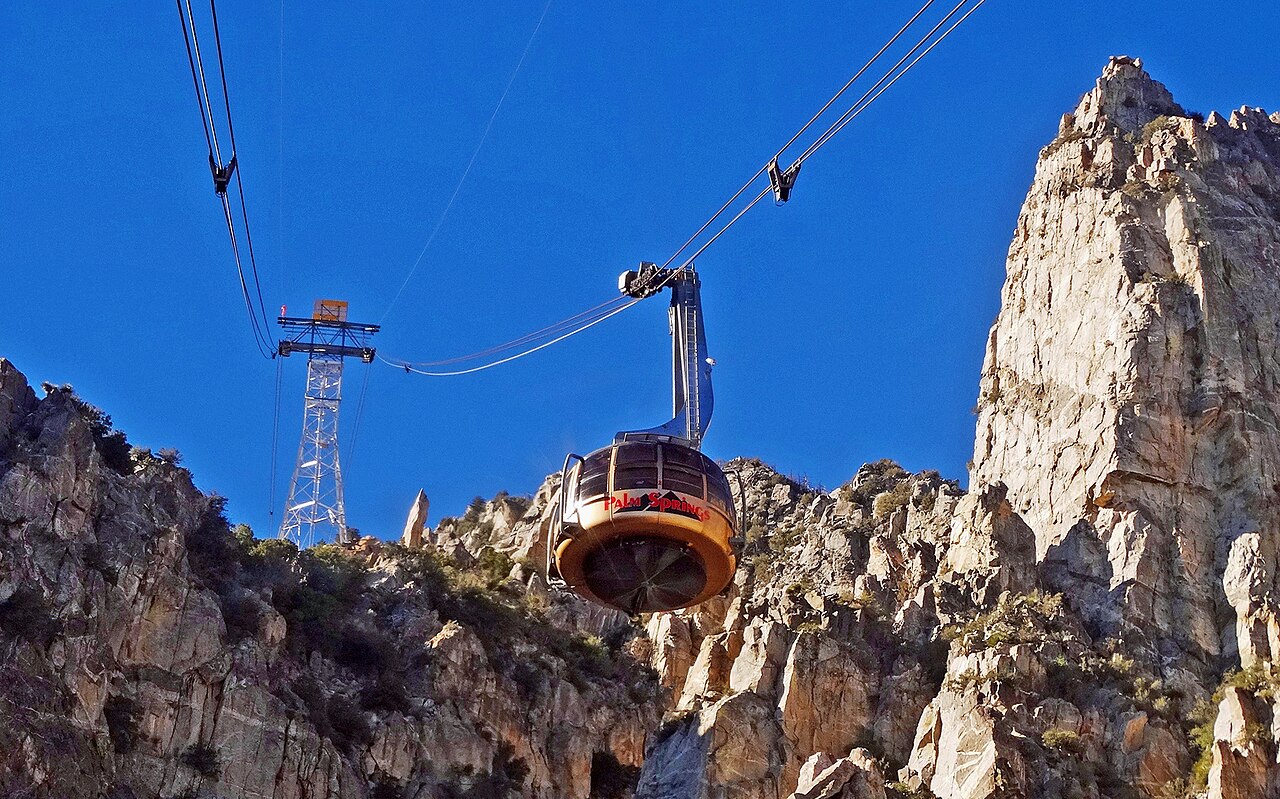
This is a real desert. From roughly late May to September, daytime highs routinely pass 100 degrees and can climb far higher, and the sun is intense year-round. Summer visits can be wonderful — hotel rates fall and pools are quiet — but they require a different rhythm: sightseeing at dawn, pool and air-conditioned museums at midday, and evenings out. Several attractions shorten their hours in summer: Indian Canyons opens only Friday to Sunday from July 5 to September 30, the Living Desert closes at 1:30pm, Moorten Botanical Garden runs weekend mornings only, and Sunnylands closes entirely from early June to mid-September. The Aerial Tramway is the great summer escape, but it closes for annual maintenance in late summer, usually for about a month. Whatever the season, drink more water than you think you need, wear a hat, and avoid midday hikes.
Know the high season
The busiest and most expensive time is January through April, when the weather is perfect and the calendar is packed: Modernism Week in February (February 11 to 21, 2027), golf and tennis tournaments, and the Coachella (April 9 to 11 and 16 to 18, 2027) and Stagecoach (April 23 to 25, 2027) festivals in Indio, which push hotel prices across the valley to their peak. October, November and early December offer lovely weather and better rates. Book hotels early for winter and spring weekends.
Plan to drive
Palm Springs International Airport is just minutes from downtown, which makes arrival easy, but the valley is spread out and public transport is limited. A rental car is the simplest way to reach Indian Canyons, the tram, Sunnylands, the Living Desert and Joshua Tree. If you stay downtown — at the Kimpton Rowan or near Palm Canyon Drive — you can walk to restaurants, museums and Thursday's VillageFest and use rideshare for the rest. Many hotels lend bikes, and the flat streets are ideal for cycling in cooler hours.
Book these ahead
Some things sell out. Sunnylands' historic house tours release on the 15th of the preceding month at 9am Pacific and go fast. Modernism Week home tours sell out within days of release. Living Desert tickets must be bought in advance. Desert Adventures jeep tours fill up in high season. Popular restaurants, especially on weekends, need reservations. The tram, Indian Canyons and the museums can usually be done on the day, although the Tiqets tram ticket lets you lock in a slot.
Build a balanced first trip
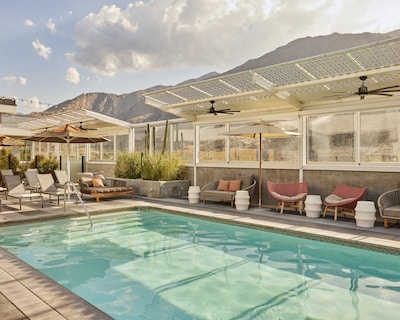
The classic mistake is spending every day at the pool — tempting, but you miss what makes Palm Springs unique. A good first visit includes one tram ride (ideally ending at sunset), one morning in the palm oases at Indian Canyons, an afternoon at the Agua Caliente Cultural Museum and the Palm Springs Art Museum, a self-guided midcentury architecture drive, Thursday night at VillageFest, and a full day in Joshua Tree. Add the Living Desert if you have children, Sunnylands if you love design and history, and a jeep tour into the San Andreas Fault if you want an expert to explain the landscape. Then, yes, the pool — the afternoon pool session is a Palm Springs ritual for good reason.
Understand the land
Much of Palm Springs sits on the reservation of the Agua Caliente Band of Cahuilla Indians, in a checkerboard of alternating tribal and private land that dates to the railroad era. The tribe runs Indian Canyons, Tahquitz Canyon, the new Cultural Plaza downtown and its casinos, and learning its story — at the museum and with the tribal rangers in the canyons — deepens any visit.
Embrace the culture
Palm Springs is famously welcoming and has one of the most visible LGBTQ+ communities in the country, with events, bars and hotels that celebrate it. It is also a city of retirees, snowbirds, designers, artists and weekenders from Los Angeles, and the mood is relaxed. Dress is casual almost everywhere; resort wear works for most dinners.
Final practical notes
Sunscreen and sunglasses are essential year-round. Evenings can be surprisingly cool from November to March, so bring a light layer. Wind can be strong near the San Gorgonio Pass, home to the famous wind turbines. Many hotels add nightly resort fees, so compare total prices rather than headline rates. And leave one evening free simply to watch the mountains turn pink at sunset from wherever you are — it is the most Palm Springs moment of all.