Three days is the ideal length for a first trip to Palm Springs: enough to see the essentials, take a proper day trip into Joshua Tree, and still spend afternoons by the pool. This itinerary assumes a car and a hotel in or near Palm Springs; it works best from October to May. In summer, shift every outdoor activity to dawn and keep afternoons for the pool and museums.
Day 1 — Oases, culture and the tram
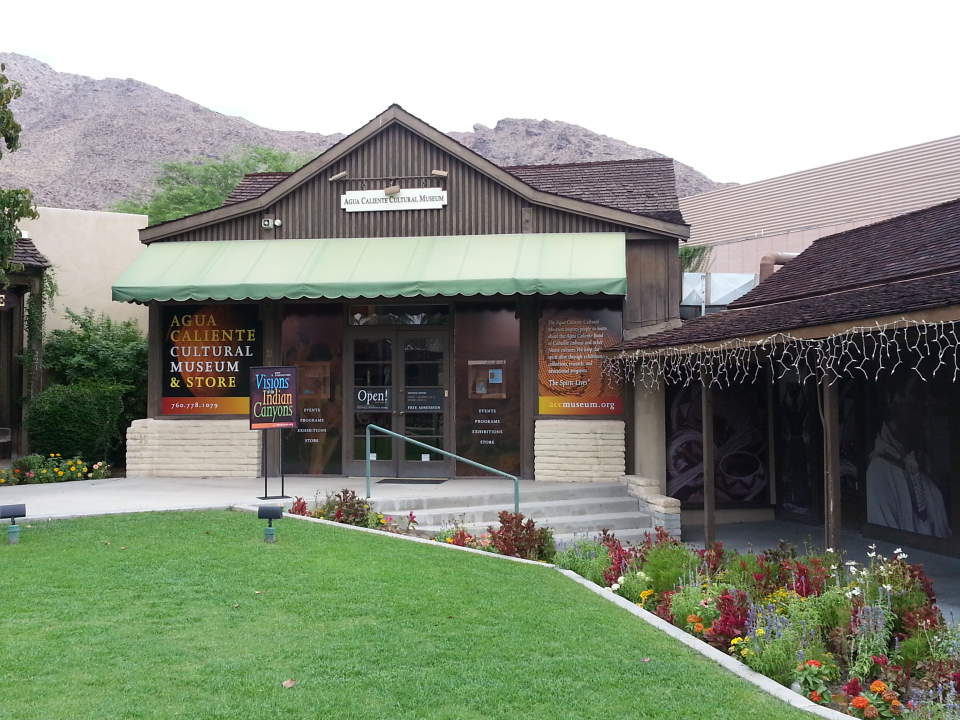
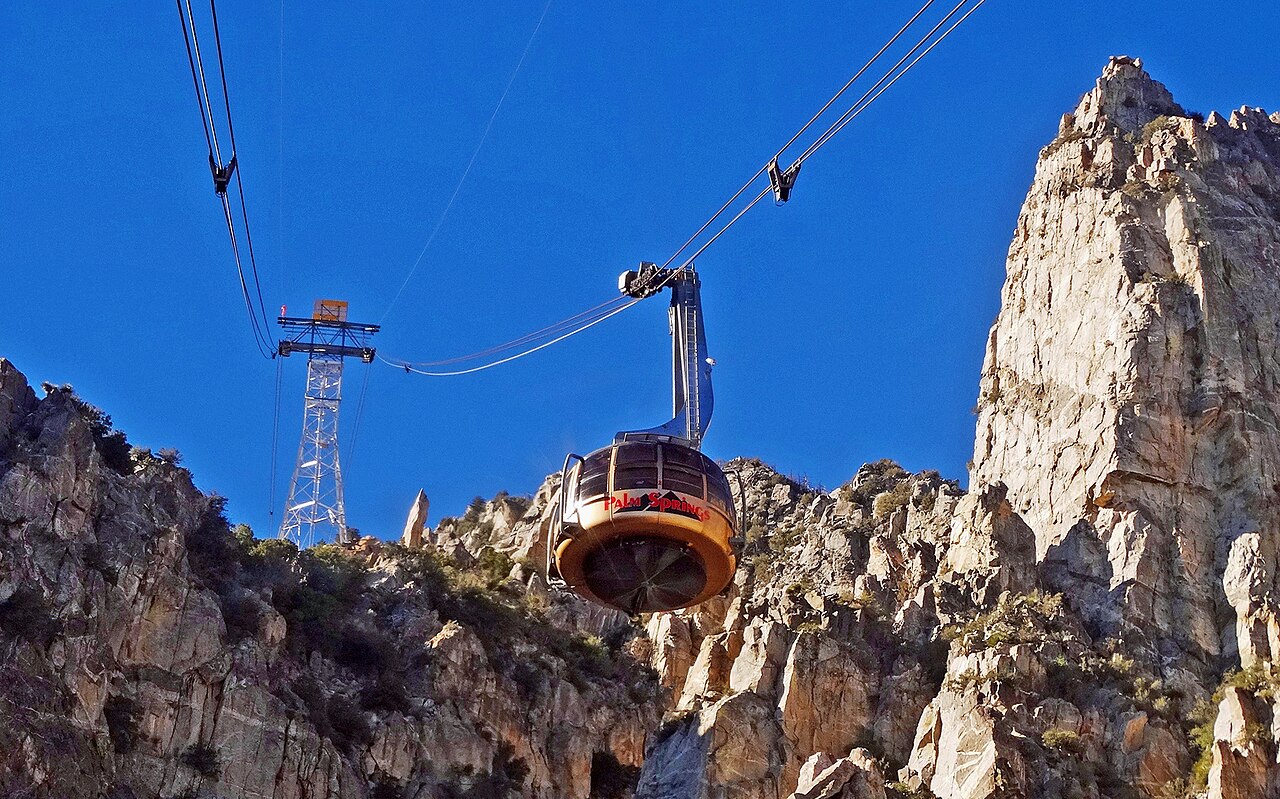
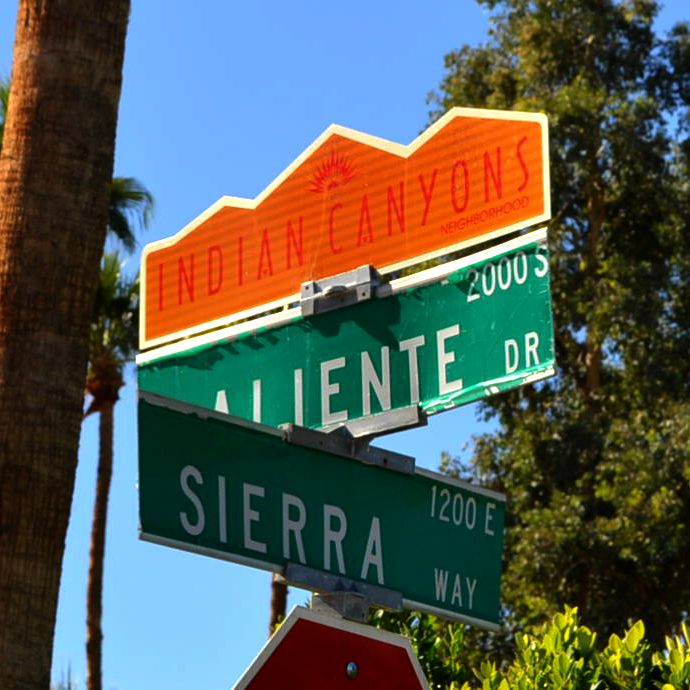
Start early at Indian Canyons, ten minutes south of downtown, as the gates open at 8am. Walk down into the fan palm oasis of Palm Canyon from the Trading Post, then drive to Andreas Canyon for the easy creekside loop past rock mortars where Cahuilla women once ground seeds. If it is a Friday, Saturday or Sunday between October and June, time your visit for one of the free ranger-led hikes. By late morning, head back to town for lunch at the MálMal Café at the Spa at Séc-he, then spend the hottest part of the day at the Agua Caliente Cultural Museum next door, learning how the Cahuilla people and their hot spring shaped the city. Afternoon is pool time. Around two hours before sunset, drive to the Valley Station of the Palm Springs Aerial Tramway in Chino Canyon. Ride up in the rotating car, walk the short loop trails in Mt. San Jacinto State Park, watch the sun set from 8,516 feet, and ride down with the valley lights spread beneath you. Bring a jacket — it can be 30 to 40 degrees cooler at the top.
Day 2 — Modernism, art and downtown
Begin at the Palm Springs Visitor Center on North Palm Canyon Drive, housed in Albert Frey's swooping former Tramway Gas Station, and pick up the self-guided architecture tour. Spend the morning driving or cycling slowly through Vista Las Palmas, the Movie Colony, Twin Palms and Racquet Club Estates, admiring the butterfly roofs, breeze blocks and glass walls of homes by Frey, Wexler, Krisel and Williams. Stop at the Architecture and Design Center downtown, in E. Stewart Williams' restored 1961 bank, then walk to the Palm Springs Art Museum. Note that the museum is closed Monday to Wednesday and free on Thursdays from 5pm to 8pm. If your second day is a Thursday, save the museum for those free evening hours and walk straight into VillageFest, the weekly street fair on Palm Canyon Drive. Otherwise, browse the Uptown Design District's vintage shops in the afternoon, then dinner downtown — a rooftop table at 4 Saints at the Kimpton Rowan, a patio at Workshop Kitchen & Bar, or tacos and margaritas at Tac/Quila. Design lovers with an extra half day should book the Sunnylands historic house tour in Rancho Mirage.
Day 3 — Joshua Tree
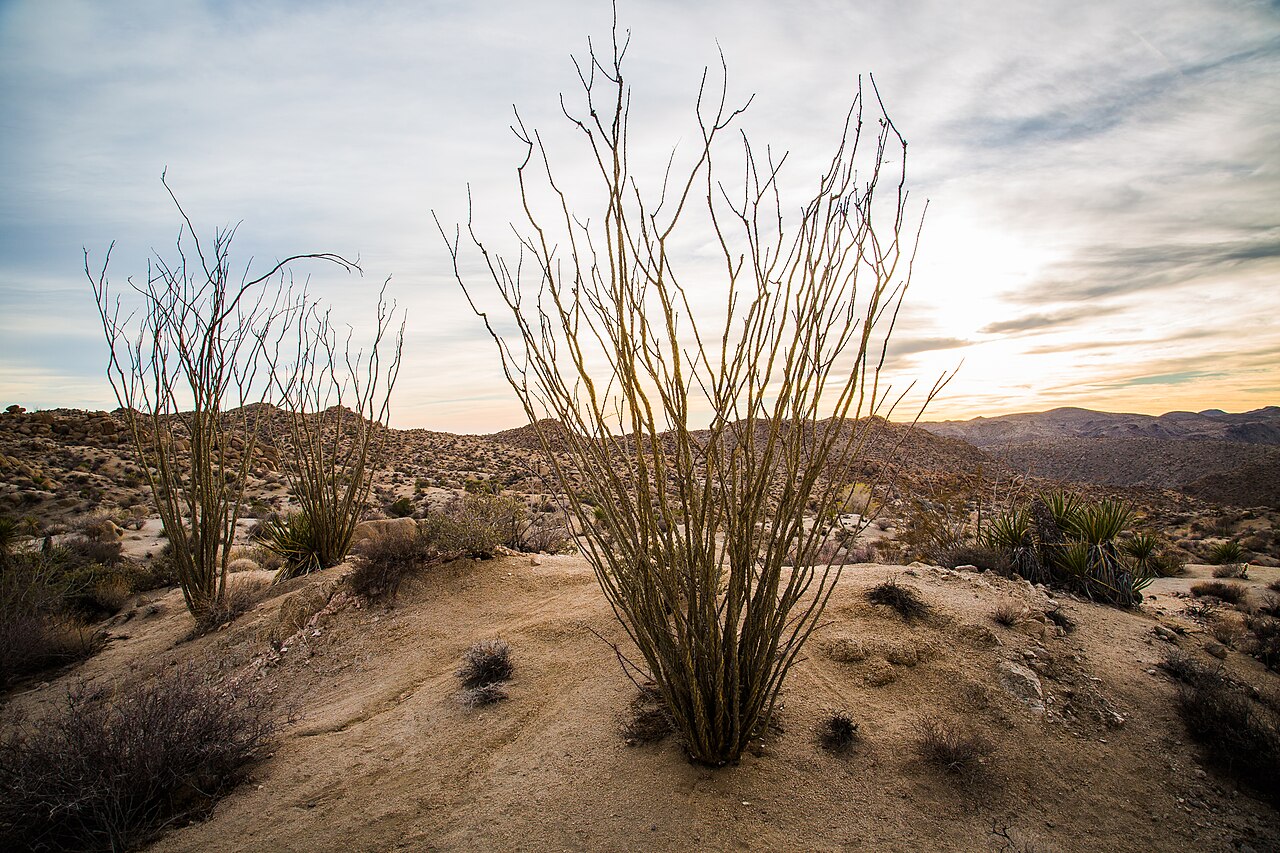
Leave early — by 7am if possible — and drive about an hour north via Highway 62 to the West Entrance in the town of Joshua Tree. Buy your $30 vehicle pass online beforehand to skip the line. Walk the one-mile Hidden Valley loop among the giant boulders, then head to Barker Dam before the lot fills. Drive up to Keys View for the panorama over the Coachella Valley and the San Andreas Fault, stop for photos at Skull Rock and scramble among the rocks at Jumbo Rocks. Eat your packed lunch in the shade of a boulder — there is no food inside the park. In the afternoon, continue south through the transition from Mojave to Colorado Desert to the Cholla Cactus Garden, magical in late-afternoon light, and exit via the South Entrance to Interstate 10, returning to Palm Springs in time for a late swim and dinner. If you would rather not drive, book a guided Joshua Tree tour with Desert Adventures.
If you have a fourth day
Families should spend a morning at the Living Desert Zoo and Gardens in Palm Desert, with giraffe feeding and the Rhino Savanna, then cool off in the pool. Adventurers can take the Desert Adventures San Andreas Fault jeep tour into the Indio Hills. Hikers might drive twenty minutes northwest to Whitewater Preserve for a river canyon walk and a picnic — check first that it is open after storms. Plant lovers can add Moorten Botanical Garden, which takes under an hour. And aviation fans should not miss the Palm Springs Air Museum beside the airport.
Pacing tips
Front-load outdoor activities into mornings, and treat early afternoon as rest time; this is how locals live in the desert. Reserve dinners on weekends. If you are visiting during Modernism Week or festival season, book everything — hotels, tours, restaurants — weeks or months ahead. And keep at least one evening unplanned: the soft desert night, a cocktail by the pool and the mountains glowing at sunset are as much a part of Palm Springs as any attraction.
Where to stay for this plan
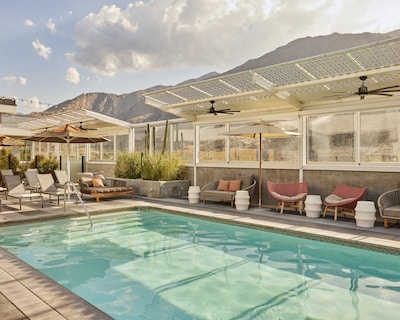
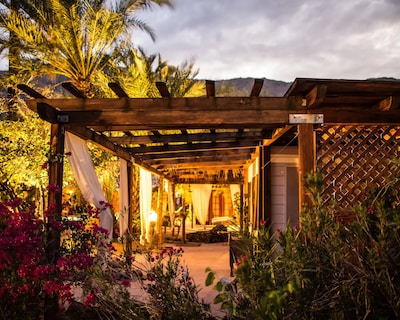
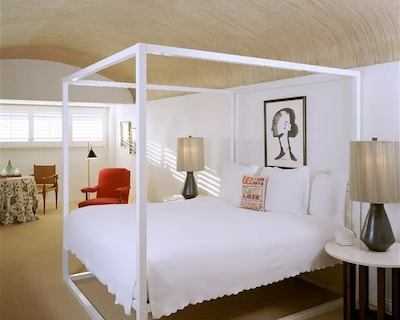
A downtown base like the Kimpton Rowan keeps Day 2 car-free. Korakia, just west of downtown, adds romance. The Parker offers resort luxury in South Palm Springs. For families planning the Living Desert, the Omni Rancho Las Palmas in Rancho Mirage puts you in the center of the valley with a water park on site.
Getting the logistics right
Fill the tank and pack the cooler the night before Joshua Tree, since there are no services in the park and the morning departure is the key to beating the crowds at the West Entrance. Check the tram's operating schedule before Day 1, especially in late summer, when the annual maintenance closure usually falls, and remember Indian Canyons' last vehicle enters at 4pm. If your trip runs Monday to Wednesday, swap the order of Days 1 and 2 around the art museum's closed days, and remember that the Agua Caliente Cultural Museum is closed on Mondays. In winter, sunset comes early — before five o'clock in December — so start the tram ride in mid-afternoon; in late spring you can ride up after an early dinner. Parking is free at most attractions on this plan, but the Joshua Tree pass, the tram ticket, Indian Canyons admission and museum tickets add up, so budget for them alongside meals. Finally, leave some slack: the most memorable moments in the desert often come unplanned — a roadrunner crossing the trail, a sudden pink glow on the mountains, or an extra hour by the pool that turns into the best afternoon of the trip.