The south coast of Peru is a desert, and the weather is more predictable than in most places. Rain is rare, the sun is strong, and the main variables are temperature, haze, wind and crowds. Knowing how they shift through the year will help you choose the best time for the Ballestas Islands, the dunes and the Nazca flights.
Summer, December to March
This is the warm, sunny season, with clear skies and the best conditions for beaches and dune activities. It is also the busiest period, with Peruvian families on holiday and prices at their highest. Hotels in Paracas fill at weekends and on public holidays, so book early. Midday heat in Ica and Huacachina can be intense, so plan outdoor activities for the morning and late afternoon.
Winter, June to September
The coast becomes cooler and grey, with morning haze and a low cloud layer that is common along the Peruvian coast. The Ballestas Islands are still excellent for wildlife, but photographs can be softer. Huacachina and Ica are drier and often sunnier than Paracas at this time, and evenings are cold, especially in the dunes. Prices are lower and crowds thin out, so winter suits travellers who prefer quiet and do not need beach weather.
Shoulder seasons
April, May, October and November often offer a good balance of mild weather, fewer visitors and reasonable prices. Light varies, but there are many clear days. These months are good for combining wildlife, dunes and flights without the summer crowds.
Time of day matters most
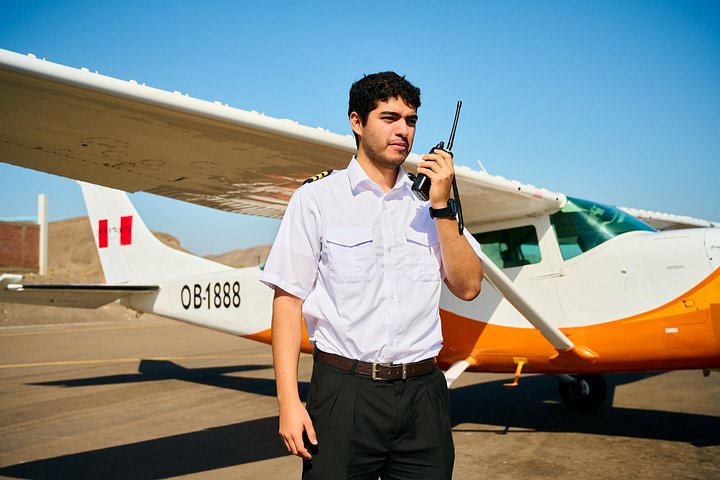
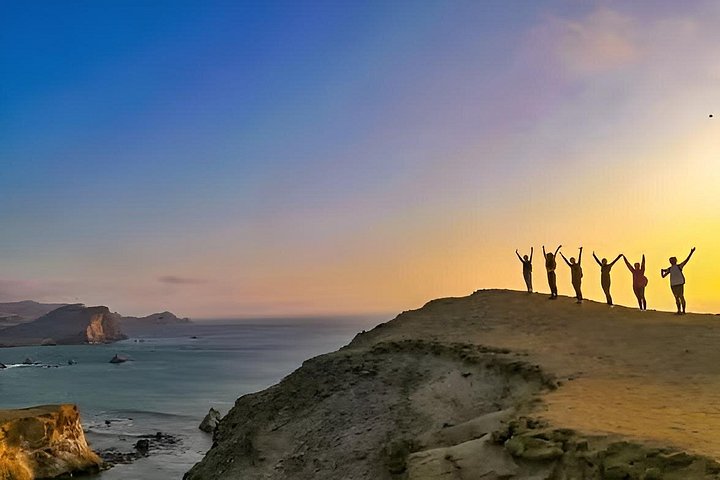
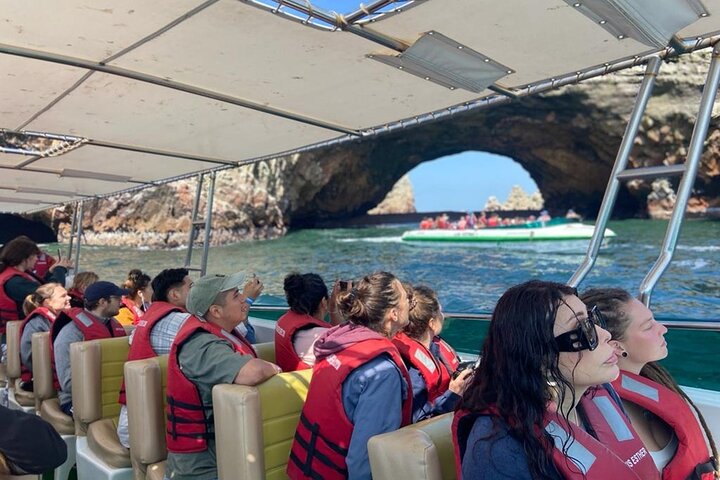
At Paracas the wind rises through the afternoon, making the bay choppy, so boat tours run in the morning and the earliest slots are the calmest. For the Nazca Lines, morning flights usually have the clearest air and the least turbulence, which matters if you are prone to motion sickness. In Huacachina, buggy rides are best in late afternoon, when the sand is cooler and the light is golden.
Wildlife
Sea lions, boobies, cormorants and penguins can be seen throughout the year at the Ballestas Islands, although numbers and activity vary with the breeding cycle. Flamingos visit the shallow bays for part of the year, and sightings depend on season and tide. Ask your guide what is likely on the day of your visit.
Events and harvest
The grape harvest in the Ica valley takes place in late summer, which is a good time for a winery visit when the vineyards are busy. Local festivals and national holidays bring crowds and higher prices, so check calendars before you book.
Packing for the season
In all months carry sun protection, a hat and a windproof layer. In winter add a warm jacket and long trousers, especially for the boat and the dunes in the evening. In summer bring light clothing, swimwear for the resort pools and plenty of water. Cash in small notes is useful for entry fees at the pier and reserve.
Flexibility
Wind and sea conditions can cancel boats, and weather can delay flights, so keep a spare day in your schedule. If you can, avoid booking a tight connection on the day of a boat or plane trip.
A simple rule of thumb
If you want warm weather and beaches, choose summer and accept crowds. If you want quiet and lower prices, choose winter and accept haze. If you want balance, aim for the shoulder months. Whichever you choose, book morning departures for boats and flights, take layers, and keep one flexible day. The desert coast rewards early risers, with the calmest sea and clearest air before the wind and heat build.
Crowds and booking
Peak periods include the Peruvian summer holidays, Easter week and the national holidays in late July and October. At these times, popular boat departures sell out and hotel rates rise sharply. Book accommodation first, then tours, and avoid arriving without a plan on a long weekend. In low season, many operators offer discounts and smaller groups, which can make for a more personal experience. If you are flexible, check the weather forecasts for wind and swell before fixing the day of your boat trip, and for visibility before your flight. Local guides can often tell you which days are likely to be clear, and flexible operators allow changes with notice.
Health and comfort
The sun at this latitude is strong in every season, even on hazy days, so wear sunscreen daily. Altitude is not a concern on the coast, which makes it an easy starting point for travellers heading to the Andes. The dry air can irritate eyes and throats, so drink water, and consider lip balm and eye drops. Wind-blown sand is common, so carry sunglasses and a scarf.