The south coast of Peru has a food scene shaped by the cold Pacific and the dry desert valleys. Paracas is known for seafood, Ica for pisco, wine and sweet treats. Meals are generally casual and good value, and tasting local products is part of the pleasure of the trip.
Seafood in Paracas
The promenade is lined with restaurants serving fresh fish, shellfish and ceviche, the Peruvian dish of raw fish cured in lime with onion and chilli. Try it at lunchtime, when the catch is freshest, and ask for the daily specials. Other favourites include fried fish with rice, seafood rice, grilled octopus and scallops. Restaurants at the fishing cove of Lagunillas in the national reserve are a popular lunch stop on tours, where you eat near the water with pelicans overhead.
Pisco
Peru's national spirit is distilled from grape juice, and Ica is one of the main producing regions. The classic cocktail is the pisco sour, made with lime, sugar syrup, egg white and bitters. Tasting tours visit bodegas to explain how the spirit is made, and offer samples in several styles, including pure pisco and flavoured versions. If you want to go beyond a tasting, ask about a visit to a distillery with a guide.
Wine
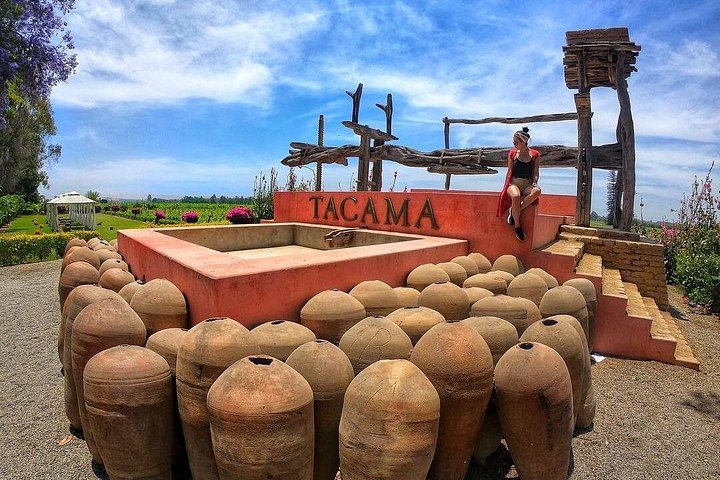
Ica also produces wine, from large estates such as Tacama to small family bodegas. Sweet and fortified styles are common in the artisan bodegas, while the larger wineries produce dry reds and whites. Harvest in late summer is a lively time to visit. Pair a wine visit with lunch in the valley.
Sweets and local specialities
Ica is famous for its desserts, including dulces made with local fruit, nuts and sugar, and the town of Cachiche is known for its sweets and folklore. Look for tejas, which are chewy sweets filled with fruit or nuts, and for fresh juices in the market.
Huacachina
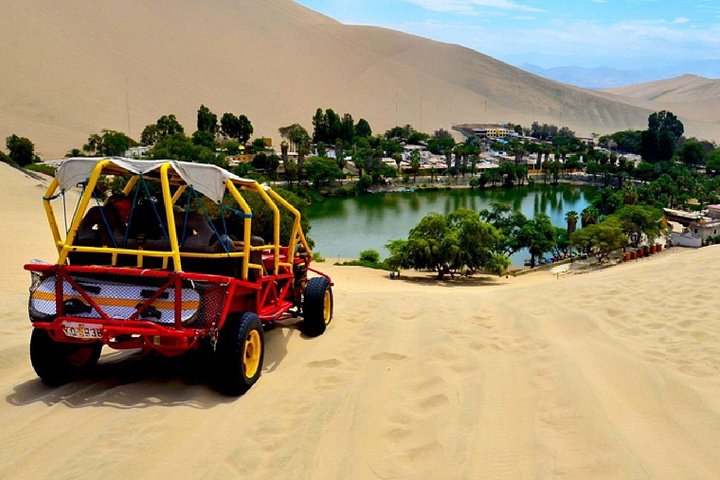
Restaurants around the lagoon cater to visitors, with international dishes, burgers, pizzas and Peruvian standards. Prices are higher than in the city, but the setting makes up for it. Sunset drinks on a terrace are a highlight. For cheaper food, head to Ica, where small restaurants serve set lunches called menus at very low cost.
Nazca
Meals here are simple, with grilled chicken, stews and regional dishes. Many hotels serve breakfast early for flight passengers.
Practical advice
Drink bottled or filtered water, and be careful with raw salads or ice if your stomach is sensitive. Eat ceviche at busy, reputable places, and at lunch rather than dinner. Tipping is customary, usually around ten percent if service is not included. If you attend pisco tastings, eat first and do not drive afterwards.
Sample menu for a trip
In Paracas, start with a ceviche at lunch, followed by grilled fish or seafood rice. In the evening, try a light dinner on the promenade, with a pisco sour. In Ica, take a winery lunch with regional dishes, and sample local sweets in the afternoon. In Huacachina, enjoy a sunset drink by the lagoon and an easy dinner. In Nazca, eat early before a morning flight and keep breakfast light. Vegetarians can find rice, vegetable dishes, quinoa and eggs, and should ask about stock and sauces. Many restaurants will adapt dishes if asked politely.
Markets and snacks
Local markets sell fresh fruit, juices and cheese, and are good places for a cheap breakfast. Look for tamales, empanadas and fried snacks, and try the local chocolate and nuts. Bakeries sell bread and pastries for early starts. If you buy food on the street, choose busy stalls with fresh turnover, and carry hand sanitiser. Bottled water is available everywhere. Eating this way supports small businesses and gives a taste of daily life.
Dietary notes
Travellers with allergies should learn the Spanish words for their allergens and explain them clearly, especially for shellfish and nuts. Gluten-free choices are available in the form of rice, potatoes and grilled dishes, but cross-contamination is possible in small kitchens. Ask for dishes to be prepared fresh, and carry any medication you need. Tap water is not generally safe to drink, so use bottled or filtered water for drinks and for brushing teeth.
Coffee and breakfast
Peruvian breakfast is usually bread, eggs, juice and coffee, sometimes with avocado or cheese. Hotels often serve early breakfasts for tour guests, and cafes open around dawn near the pier. A strong coffee and a pastry help at a dawn boat start.