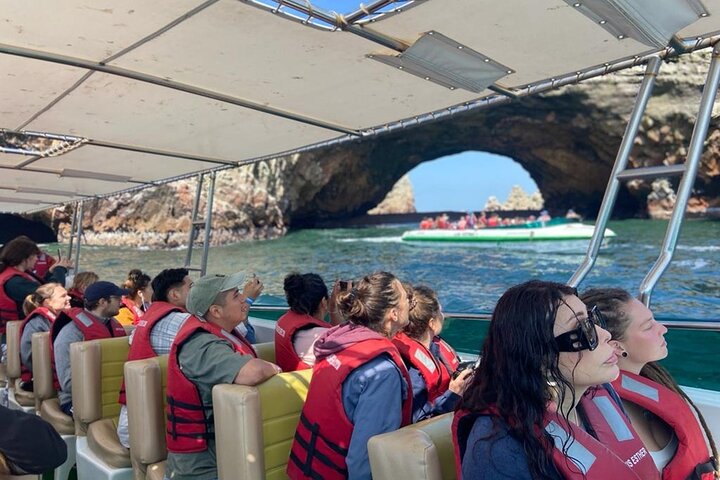
Southern Peru packs a surprising amount into a small area, and three days is enough to see the wildlife of the coast, the sand dunes of the desert and the great drawings of Nazca. The key is sequencing. Paracas is on the coast, Huacachina and Ica lie inland about an hour and a half away, and Nazca is a further two hours or so beyond that. Move in one direction, south to north or the reverse, and avoid doubling back.
Day one: Paracas by sea
Arrive in Paracas the night before if you can, so that you are fresh for the morning boat. Take the earliest departure to the Ballestas Islands, when the sea is calm and the light is soft, and expect around two hours on the water with sea lions, penguins and seabirds. After a late breakfast or a seafood lunch, spend the afternoon in the Paracas National Reserve, either on a guided tour or by a more active option such as a buggy or quad ride. Finish with sunset at a clifftop lookout, then a seafood dinner on the promenade.
Day two: dunes and pisco
Travel inland to Ica, a journey of roughly an hour and a half by road. Spend the late morning at a winery or pisco bodega for a tasting, then lunch in town. In the late afternoon head to Huacachina for a dune buggy ride and sandboarding timed for sunset. Stay in the village or in Ica, and walk around the lagoon after dark, when the lights come on and the heat has gone.
Day three: the Nazca Lines
Start early for the drive south to Nazca, where light aircraft fly over the geoglyphs. Flights are best in the morning, when the air is clear and the wind is low. After the flight, visit the Chauchilla Cemetery or the Cantalloc aqueducts if time allows, then return to Ica or continue to your next destination. This day is long, so some travellers split it by spending a night in Nazca.
Adjusting the plan
If you have only two days, skip Nazca and spend a day each on Paracas and Huacachina. If you have four, add the Canyon of the Lost, the Ica museum or Tambo Colorado. Families with young children may prefer to cut the buggy ride and replace it with a calmer oasis walk and a kayak outing. Couples can add a sunset catamaran sail or a glamping night in the dunes.
Practical points
Carry cash for entry fees, because the Ballestas Islands, the pier and the national reserve usually charge small amounts on the day. Pack layers: the coast is cool and windy, while the desert is hot at midday and cold at night. Sun protection is essential every day, and a scarf helps in the dunes. Book key activities in advance during the busy summer months, especially the Ballestas boats and Nazca flights, and keep a spare day in the schedule in case wind or rough seas cancel a boat or plane. Public buses connect Lima, Paracas, Ica and Nazca, and private transfers are available if you prefer comfort and a fixed schedule.
Where to base yourself
Paracas offers a calm waterfront with resorts and simple hotels, Huacachina offers dune views and a lively traveller scene, and Ica offers larger hotels and easy access to wineries. Nazca has hotels aimed at flight visitors. Choose one or two bases rather than changing every night, because packing and moving cost time. Whatever you choose, aim for early starts and relaxed evenings, since the best light and calmest conditions come in the morning.
A note on pace
Do not try to do everything. The best trips in southern Peru leave room for an unplanned afternoon by the pool, a long lunch or a second sunset. Wind and sea conditions can change the plan at short notice, so build in slack. Decide the one or two experiences that matter most, such as the Ballestas boat and the Nazca flight, and book them first, then fit the rest around them.
Budget notes
A three-day trip can be done cheaply with buses, hostels and group tours, or comfortably with private transfers and resorts. Fees at the islands, reserve and airfield are small but add up, so carry cash. Meals are inexpensive in Ica and Nazca, and more costly in Huacachina and at resort restaurants.