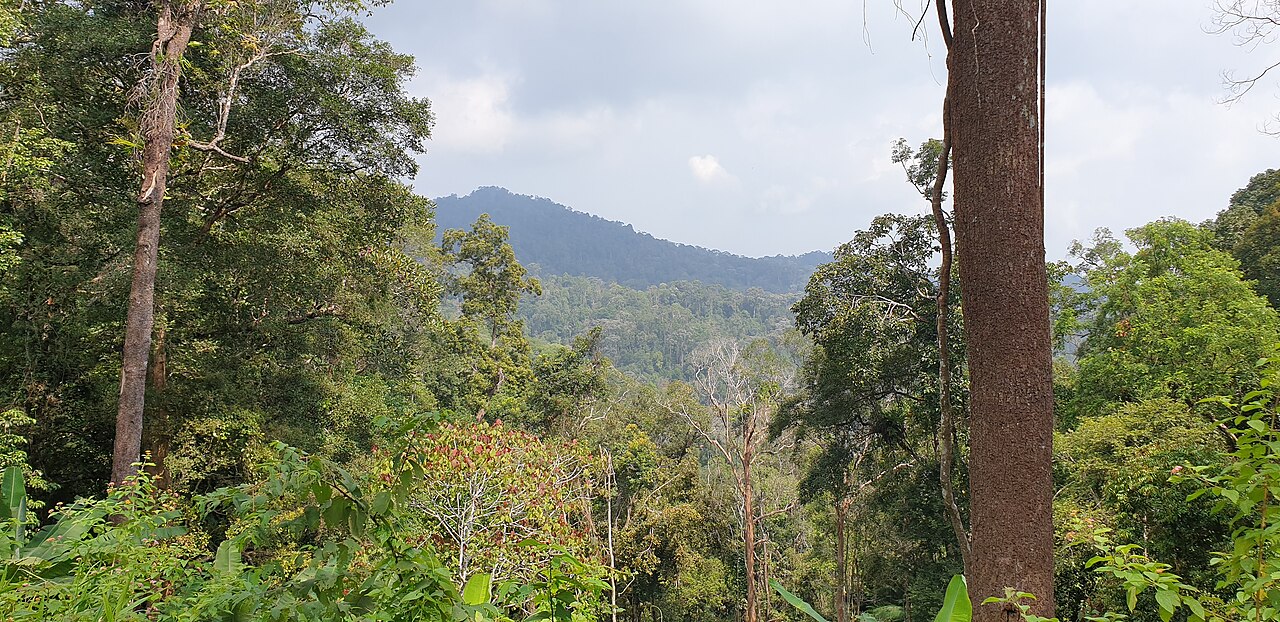
The Penang Botanic Gardens, often called the Waterfall Gardens, fill a steep green valley at the foot of Penang Hill, about ten to fifteen minutes by road from central George Town. They were founded in the 1880s under British administration, laid out on the site of a granite quarry and waterfall, and they remain one of the oldest botanic gardens in the region. A century and more of planting has given the valley huge shade trees, palms, ferns, orchids and a cool, damp feeling that is a relief after a morning in the heat of the old town. Entry to the grounds is free, which makes the gardens one of the best low-cost experiences on the island. The gardens are organised around a main road and a network of paths that climb the slopes. Near the entrance you find the lawns, a lily pond and glasshouses, with the Cannonball Tree, the palm collections and the fernery among the highlights for plant lovers. Farther in, shaded trails rise toward viewpoints and forested slopes that connect with hiking routes towards Penang Hill. A Hindu temple sits beside the waterfall at the top end of the grounds, and each year it is the destination of the Thaipusam chariot procession from George Town, one of the great spectacles in the Penang calendar. The most famous residents are the long-tailed macaques and the dusky leaf monkeys that live in the trees. They are wild animals and can be bold, so keep food hidden, never feed them and do not make eye contact or grab at them. Used sensibly, the monkeys are part of the charm, and they give children and photographers plenty to watch. Birdwatchers will also find hornbills and other forest birds in quieter corners, particularly early in the morning.
The gardens are best visited first thing in the morning or in the late afternoon, when the air is cooler and the light filters through the canopy. Many locals come to exercise at dawn, walking or jogging the loops and doing tai chi and group fitness on the lawns. A relaxed visit takes an hour or two, or longer if you head up the trails.
The paths can be steep and the humidity high, so carry water, wear shoes with grip and use insect repellent in shaded areas. After rain the paths can be slippery, and in heavy storms parts of the gardens can close, so check conditions before you go.
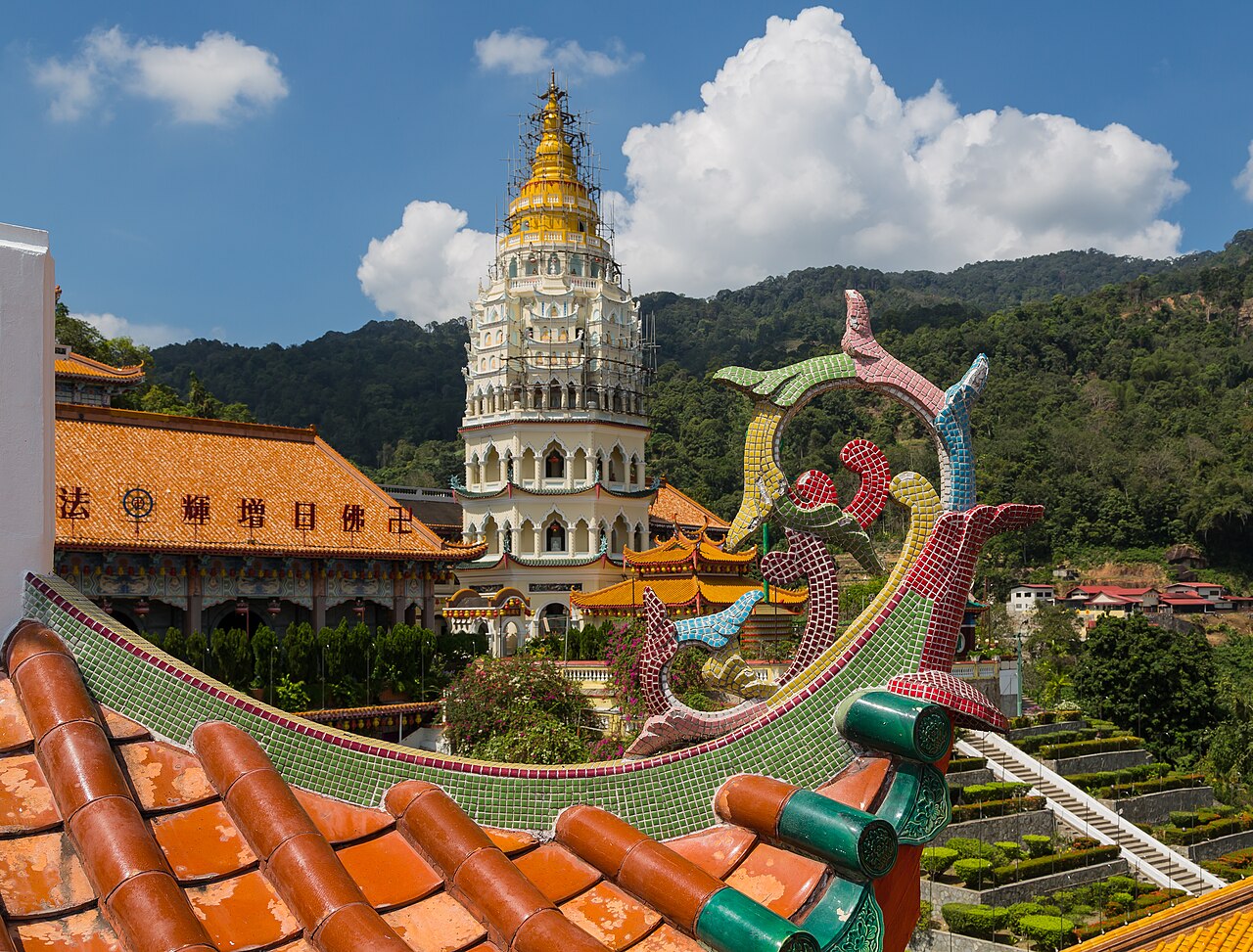
Getting there is simple by taxi or ride-hailing app, and a bus also serves the area. Many visitors combine the gardens with other nature stops on a tour of the island, and the tour we link is a good example, linking the gardens with Penang Hill and the north coast beaches of Batu Ferringhi. If you travel independently, pair the gardens with Penang Hill or Kek Lok Si on the same day, since all three are on the western side of the city and are quickest to reach together by car.
Practical points are worth knowing. Opening hours are long, but the gardens close in the evening, and entry rules on vehicles and on food can change, so check before you go. Picnics are allowed in many areas but monkeys will test your resolve, so keep bags zipped. Keep to marked paths, respect any closures for tree safety and remember that some trails lead out of the gardens into forest. If you want to walk beyond the gardens, tell your hotel where you are going and carry a phone and a map.
The gardens add a green, slow chapter to a city break that can otherwise be all streets and food. They are especially good for families, because children can run on the lawns and look for monkeys, and for couples who want an easy walk in the shade.
They also suit visitors with a low budget, since the main grounds cost nothing to enter. The cannonball tree flowers and fruits in unusual ways, the tall palms make fine photographs and the waterfall temple gives a glimpse of Hindu devotional life that fits well with the heritage stops downtown.
What to expect
The experience
A free self-guided walk through a historic botanic garden, or a nature day tour that links the gardens with Penang Hill and the north coast.
Best time
Early morning or late afternoon, when it is cooler and the light is soft. Avoid walking steep trails straight after heavy rain.
How long
One to two hours for the main grounds, up to three if you add the trails.
Tips
Carry water, wear shoes with grip, keep food out of sight and never feed or touch the monkeys.
Quick picks
- Best for
- Nature lovers, early risers and anyone who wants shade and a free, easy outing.
- Families
- Great for children, with lawns, trees and monkeys to watch from a safe distance. Keep snacks sealed and hold small hands near the macaques.
- Couples
- A quiet morning stroll under old trees, followed by breakfast back in town.
- Pair with
- Penang Hill, Kek Lok Si Temple or a north coast stop at Batu Ferringhi.
- Time needed
- Allow one to two hours, or a half day with a trail walk and a nearby stop.
Good questions
Is the Penang Botanic Gardens free?+
Entry to the main grounds is free. Check on the day for any rules about vehicles, parking or special areas.
What is the best time to visit?+
Early morning or late afternoon, when it is cooler and the light is best. Many locals exercise there at dawn.
Are the monkeys dangerous?+
They are wild and can be bold, especially around food. Keep snacks hidden, do not feed or touch them and avoid direct eye contact.
How do I get there from George Town?+
By taxi or ride-hailing app it is about ten to fifteen minutes from the old town. A public bus also serves the area.
What else is there to see?+
The Cannonball Tree, palm collections, fernery, lily pond and a Hindu temple by the waterfall are the main highlights, with trails leading into the forest.