Penang is a year-round destination, with warm temperatures, high humidity and a tropical climate that never turns truly cold. That means the best time to visit depends less on avoiding winter and more on balancing rain, crowds, festivals and the things you want to do. This guide explains the seasons in general terms so you can choose the right moment.
The climate in short
Expect hot, humid weather in every month, with daytime temperatures in the low thirties Celsius and warm nights. Rain falls through the year, usually as heavy, short showers in the afternoon or evening rather than all-day drizzle. The island has no sharp dry or wet season in the way some other parts of Asia do, but patterns exist, and they affect how comfortable your sightseeing will be.
The drier months
The period from roughly December to February is generally the most comfortable for visitors, with less rain, more sunshine and somewhat lower humidity. It is also a popular time, because it coincides with year-end holidays and often with Chinese New Year, so hotels and flights can be busier and prices higher. The weeks after Chinese New Year can be warm and dry, which suits walking and beach days, though temperatures climb as the season progresses.
The hotter months
Around March to May, the island gets hotter and stickier, and daytime sightseeing demands more rest and shade. Afternoon thunderstorms become more frequent as the year goes on, offering relief but also interrupting plans. It is a quieter period in some years, and you may find better hotel rates, but plan your days around early mornings and late afternoons and keep indoor options in reserve.
The wetter months
Rainfall tends to peak in the later part of the year, especially around September to November, when heavy showers and thunderstorms are common. It is still a fine time to visit if you are flexible. Showers are usually short, the old town has covered five-foot ways for shelter and the museums, food courts and cafes are plentiful. Beach conditions can be less clear and some water activities may be affected, so check conditions and plan flexible days. Prices can be lower and crowds thinner, which suits food-focused visitors.
Haze
In some years, smoke from regional fires can drift across the Strait of Malacca and reduce air quality for a period during the middle or later part of the year. It is not a given, and it varies widely, so check air-quality information close to your travel date if you have respiratory issues or a flexible schedule.
Festivals and busy periods
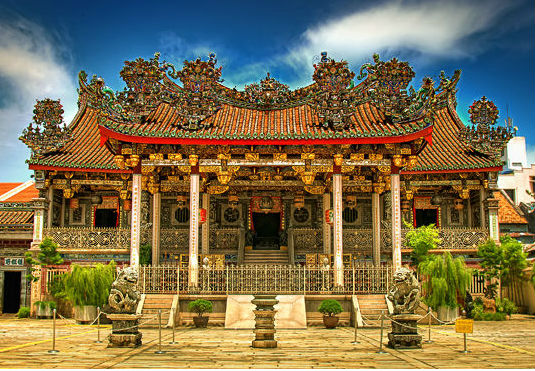
Chinese New Year brings lanterns, temple gatherings, family reunions and a surge of domestic travel, with some businesses closing for a few days, while hotels and tours fill early. Thaipusam, usually in the first part of the year, is a major Hindu festival with a large chariot procession and devotional events, spectacular but crowded and requiring care with logistics. The George Town Festival, typically held in the middle of the year, fills the old town with arts events and can lift hotel demand. School holidays in Malaysia and Singapore also bring crowds, especially at weekends. Check dates when you plan, since many festivals follow lunar or religious calendars and move from year to year.
Durian and fruit
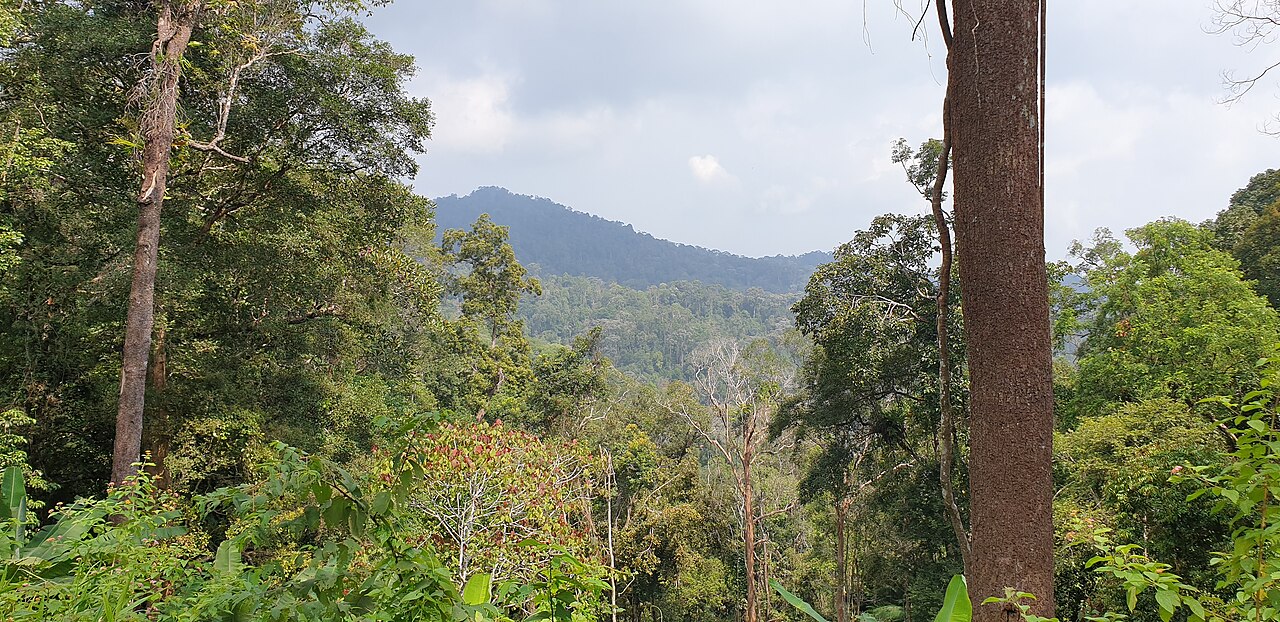
Penang's durian season generally falls in the middle of the year, with a smaller season later on, though timing varies with weather. If you are a fan, plan your visit around it and consider a countryside trip to Balik Pulau for farm visits. Other fruits are available year-round, and the markets are always interesting.
Best time by traveller
Heritage walkers and photographers do best in the drier months and in the early morning at any time. Families may prefer school-holiday weeks only if they book well ahead, otherwise quieter months are easier. Beach lovers should aim for the drier months, while food lovers can come anytime. Budget travellers will find better deals in the wetter and hotter months.
Packing and planning tips
Whatever the month, bring light, breathable clothing, a hat, sunscreen, insect repellent, a small umbrella and sandals or shoes that dry quickly. Plan outdoor activities for the morning, have a long lunch and keep a flexible afternoon. Book popular tours and hotels early for festival periods, and ask your hotel about conditions on the day.