After a day of walking among tombs, a cooking class is a welcome change of pace, and an easy way to get under the skin of Jordan. This experience takes you into a local family’s home near Wadi Musa, where your host teaches you how to prepare a traditional meal from scratch, then everyone sits down together to eat. Jordanian home cooking is generous and built around fresh vegetables, olive oil, herbs, lentils, rice, flatbread and slow-cooked meat or chicken. Menus on classes of this kind commonly include dishes such as hummus, mutabbal, fattoush and other mezze, along with a main course that might be maqluba, a layered upside-down dish of rice, vegetables and meat, or musakhan, chicken roasted with sumac and onions on flatbread. Your host will usually show you how to knead dough, chop salads, and season with spices such as cumin, cardamom and sumac, and will share family stories along the way. It is relaxed rather than formal, and the focus is on the food, the conversation and the hospitality, which Jordanians are famous for. You come away with recipes you can reproduce at home, and a clearer sense of how people in southern Jordan eat and live.
How it works
Classes are run by local hosts, so details vary. They usually take place in the late afternoon or evening, last around three hours and include pick-up from a hotel in Wadi Musa or a meeting point nearby. The price normally covers the ingredients, tuition and the meal itself.
Group sizes are small, because the setting is a family home, which is part of the charm. Confirm the menu in advance if you have dietary needs: vegetarian options are easy in Jordanian cooking, which is rich in vegetable and legume dishes, but halal meat dishes are the norm and alcohol is not usually served.
What to expect
A warm welcome, probably tea or coffee on arrival, and an informal demonstration followed by hands-on cooking. Dress comfortably and modestly, bring an appetite and be ready to taste as you go. You may be invited to eat in the traditional way, using bread to scoop up mezze, and meals are often served family-style on shared platters.
Ask questions freely
Hosts enjoy talking about local ingredients, festival foods and how recipes pass between generations. If you have allergies, say so when you book and again when you arrive, since the cooking is done in a home kitchen.
Making the most of it
A cooking class works well on a rest day or an evening after a long Petra walk, when your legs need a break but you still want something memorable. It is also a good choice for families with children, who can help roll dough or stir, and for solo travellers, who tend to enjoy the shared table. Book ahead, because small family operations have limited capacity, and ask whether a Petra by Night evening clashes with the class timing.
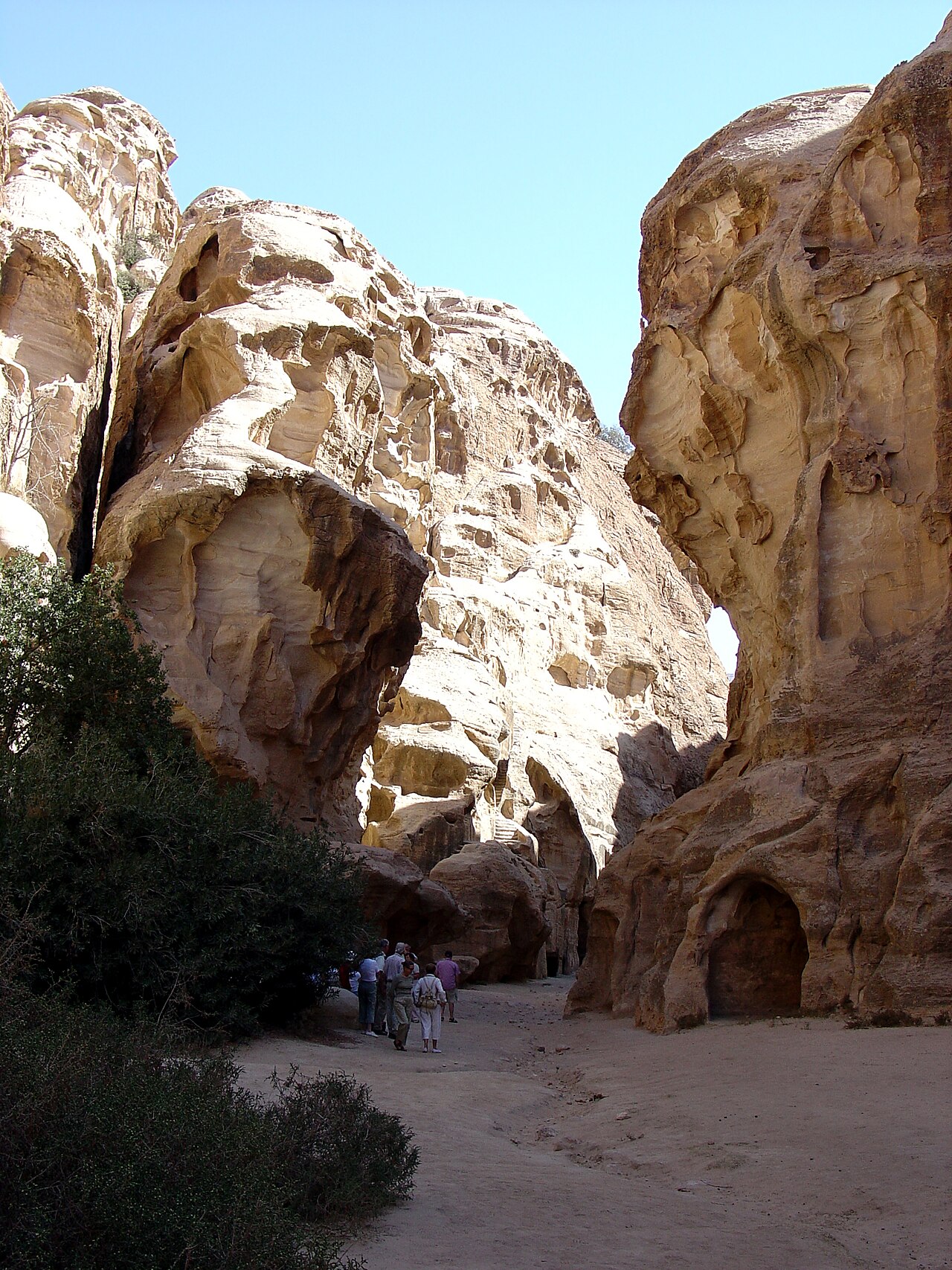
Pair the experience with a visit to Little Petra, whose area is home to many Bedouin families, or with a stroll through the shops of Wadi Musa to buy spices to take home. Bring cash for tips and for buying any jars of spices or sweets your host may sell, and consider asking for the recipes to be written or shared as photos so you can recreate the dishes when you are back at home.
What to expect
The experience
A small, hands-on cooking session in a local family home, ending with a shared meal.
Best time
Late afternoon or evening, after a day at Petra.
How long
Around three hours.
Tips
Mention dietary needs when booking, dress modestly and bring cash for tips.
Quick picks
- Best for
- Meeting local people and tasting home cooking.
- Families
- Children can help with dough and salads, and the setting is relaxed.
- Couples
- A warm, intimate evening that makes a nice break from sightseeing.
- Pair with
- A visit to Little Petra or a rest evening before an early Petra start.
- Time needed
- An evening.
Good questions
What will I cook?+
Menus vary by host, but classic choices include mezze such as hummus and fattoush, with maqluba or musakhan as a main dish.
Is it suitable for vegetarians?+
Usually yes, since Jordanian cooking has many vegetable and legume dishes. Say so when you book so the host can plan.
How long does it last?+
Around three hours including the meal, though it varies by host.
Is alcohol served?+
Not normally, since the setting is a family home. Tea, coffee and soft drinks are the usual choices.
Do I need to book ahead?+
Yes, because family hosts take small groups and have limited availability.