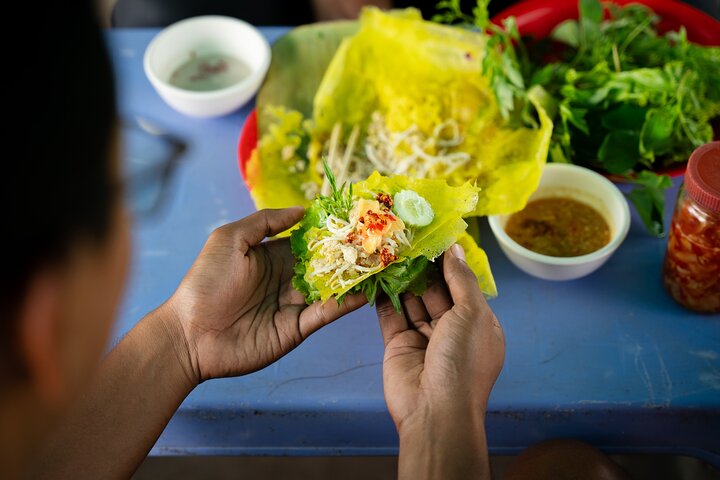
Phnom Penh is a very good city to eat in, and it rewards curiosity far more than planning. Khmer cooking is less fiery than Thai and less sweet than Vietnamese. It leans on fresh herbs, lemongrass, galangal, turmeric, kaffir lime, fermented fish paste, palm sugar and tamarind, and it is built around rice and the fish of the Tonle Sap and the Mekong. Here is how to find the best of it.
The dishes to look for
Start with fish amok, the national dish, a mild, creamy fish curry steamed in banana leaf with coconut milk and kroeung, the herb paste at the heart of Khmer cooking. Lok lak is stir-fried beef served with rice, salad and a dipping sauce of lime juice and black pepper, and it is the dish that most visitors order on the first night. Kuy teav is the breakfast noodle soup, a clear pork broth with rice noodles, herbs and lime that locals eat at street-side stalls from early morning. Nom banh chok, sometimes called Khmer noodles, is rice noodles eaten with a fish-based green curry gravy and a pile of raw vegetables and herbs. Bai sach chrouk is grilled pork over rice, a breakfast staple, and num pang is the Cambodian baguette sandwich, a legacy of the French. Samlor korko is a hearty vegetable and fish soup, and Khmer red curry, known as kari, is a gentler, coconut-rich curry that is good with bread or rice.
Markets and street food
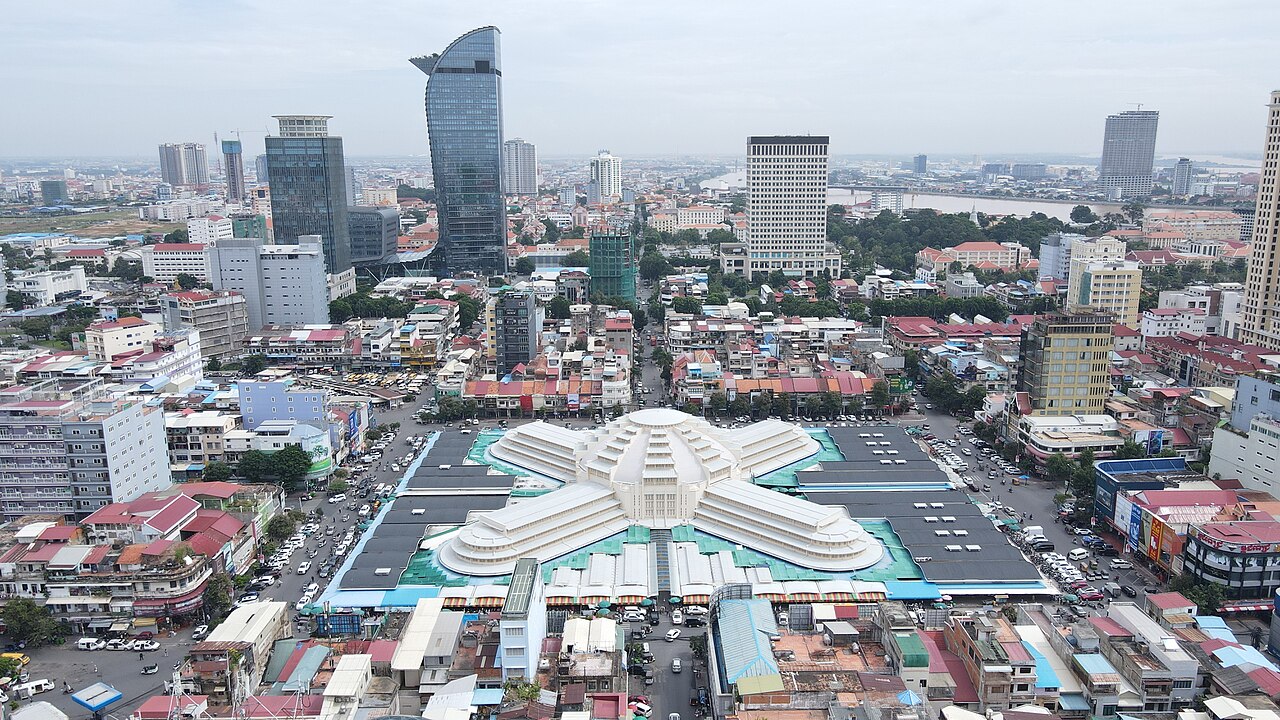
The best way to eat cheaply and well is to eat where the locals eat. The Central Market has a fresh food section and a row of inexpensive food stalls on its western side, and the Russian Market has a food court in the middle of the aisles serving noodles, iced coffee and fruit shakes. Look for stalls that are busy, where food is cooked in front of you, and where the turnover is fast. Mornings are the time for noodle soups and rice dishes, and the evening brings grills, snacks, fruit and sweets to the streets. Fruit stalls selling mango, pineapple, rambutan and green mango with a chilli and salt dip are everywhere.
Food tours and cooking classes
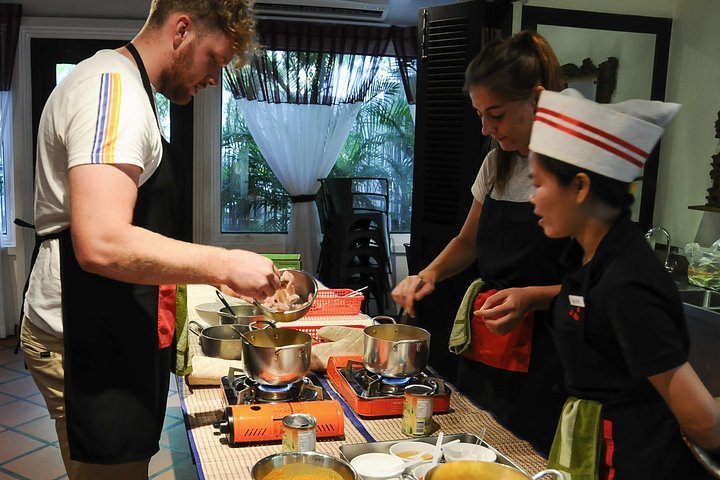
If you are nervous about where to start, a guided food tour is the best investment on a first night. The Ultimate Phnom Penh Food Tour by tuk-tuk moves from stall to stall with a guide who explains each dish, and it shows you parts of the city you might not otherwise see. A Khmer cooking class goes one step further: you shop for ingredients, learn to make kroeung from scratch and cook a few dishes, which makes a good souvenir of the trip. Both are worth doing early in your stay, so you can use what you have learnt for the remaining days.
Drinks
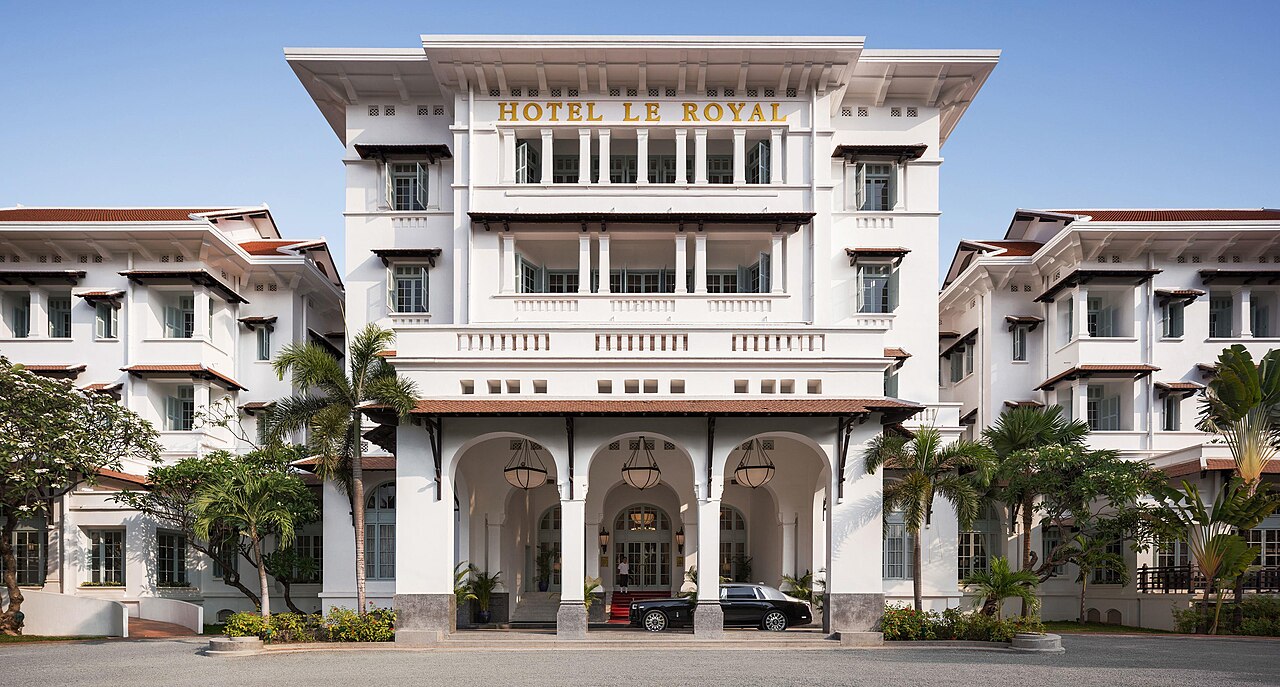
Iced coffee with condensed milk is the default pick-me-up and a good way to cool down. Fresh sugarcane juice, coconut water and fruit shakes are sold everywhere, and Angkor beer is the local lager, usually served over ice at casual places. In the heat, drink plenty of water, and stick to bottled or filtered water rather than tap water. Many hotel bars and rooftop terraces in the city serve cocktails, and the Elephant Bar at Raffles Hotel Le Royal is the classic place for a colonial-style drink.
Eating well and safely
Most visitors eat at street stalls without problems if they use common sense. Choose places that are busy, avoid food that has been sitting out in the heat, and wash or sanitise your hands before eating. Ice in drinks at established places is usually made from filtered water. If you have allergies or follow a vegetarian diet, say so clearly, since fish paste and fish sauce are in many dishes, and consider a cooking class or a guide who can help you order.
Practical tips
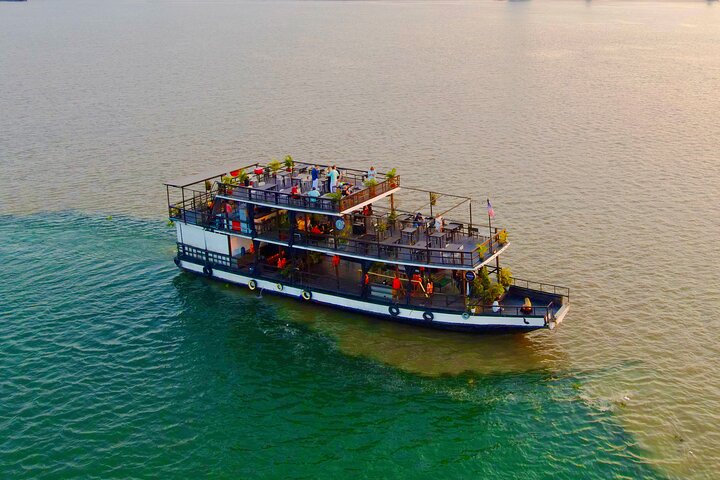
US dollars are widely used alongside the Cambodian riel, and small notes make paying at stalls easier. Tipping is appreciated but not expected at street stalls, and a small tip is usual at restaurants. Meals start early here, so lunch around noon and dinner from about six is normal, and many street stalls wind down late in the evening. Pair a night out with the Kun Khmer boxing evening for a thoroughly local experience, or a sunset cruise for a drink on the water.