Phnom Penh is one of the better-value capitals in Southeast Asia. Many of the best things to do cost little or nothing, food is cheap if you eat where locals eat, and the city is compact enough to cover with short, inexpensive tuk-tuk rides. The trick is knowing where to spend and where to save. Here is a plan for a low-cost visit that still takes in the essentials.
Free and nearly free sights
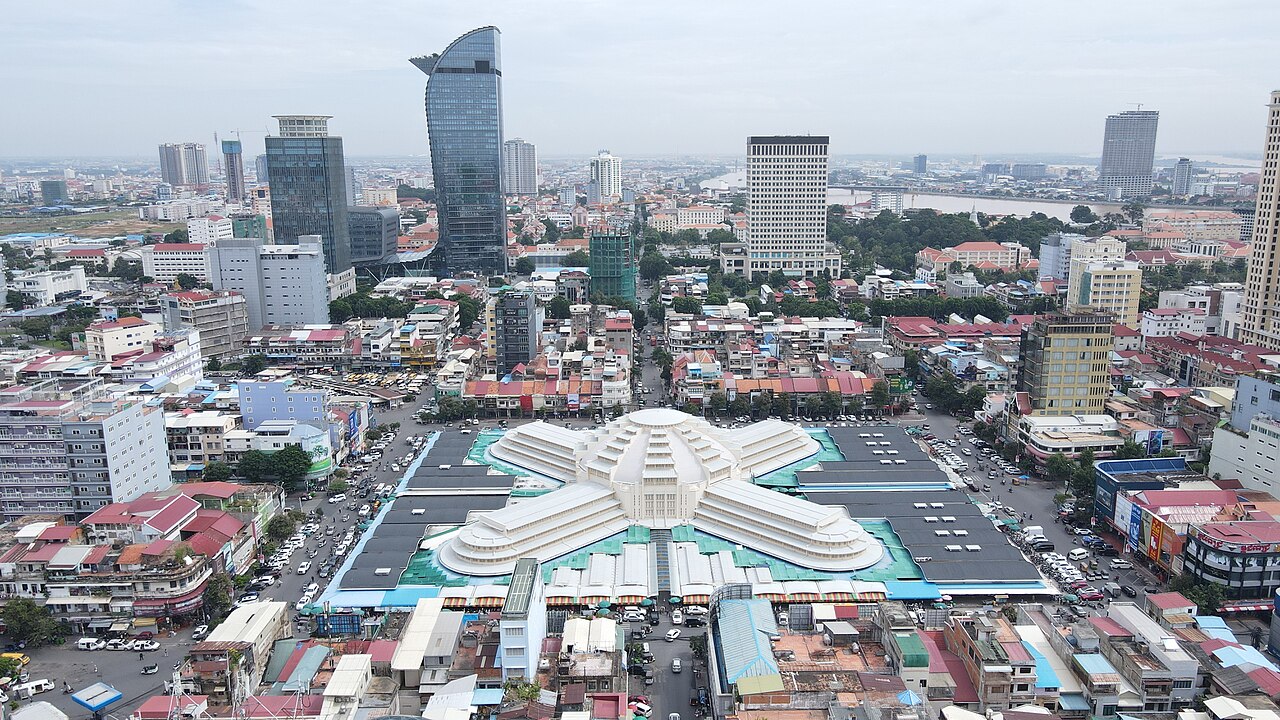
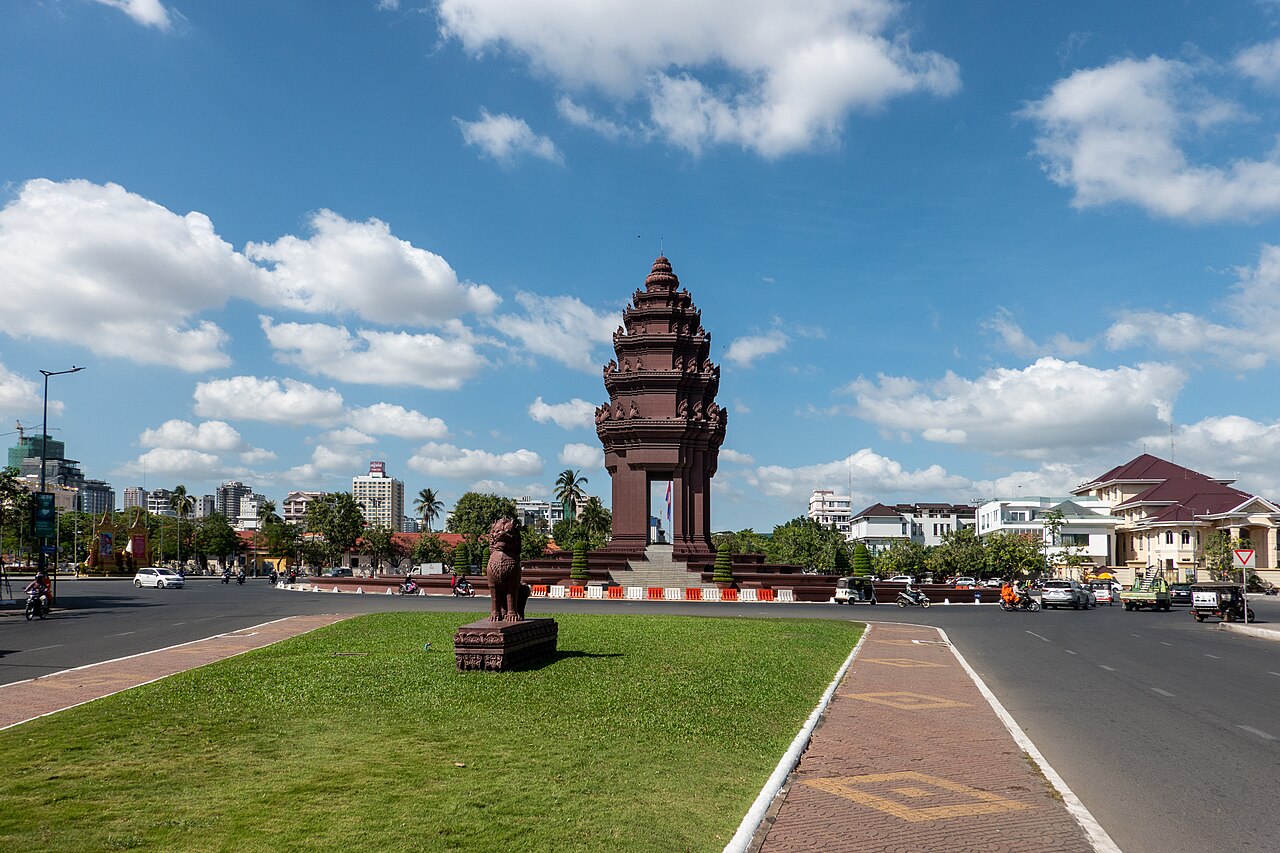
Several of the city’s landmarks are free to see. The Independence Monument, the lotus-shaped stupa in the roundabout at the crossing of Norodom and Sihanouk Boulevards, costs nothing and is best at dusk. The Central Market, the Art Deco hall with its domed centre, is free to walk into, and so is the Russian Market, where you pay only for what you buy. The Win-Win Memorial across the river has free entry and landscaped grounds. The riverfront promenade is free at any hour, and in the evening it fills with families, exercise classes and food vendors. The main paid sights, the Royal Palace and Silver Pagoda, the National Museum, Tuol Sleng, Choeung Ek and Wat Phnom, charge modest fees for foreign visitors, which are good value for what you see.
A free-and-cheap day
Start at Wat Phnom in the morning, when it is cool, then walk through the old French quarter to the Central Market for a cheap breakfast at the stalls on its western side. Take a short tuk-tuk ride to the Royal Palace and the National Museum, then walk along the riverfront. End the day at the Independence Monument at dusk. You will have seen most of the central sights for the price of a few entry fees and a couple of short rides.
Eating cheaply
The best-value meals are at street stalls and market food courts, where noodle soup, rice with grilled pork and iced coffee cost very little. The Russian Market has a food court in the middle of its aisles, and the Central Market has stalls on the western side. Eat the main meal at a local place and save the more expensive restaurants for one or two special evenings. Bottled water is cheap, and a refillable bottle saves money and plastic.
Getting around
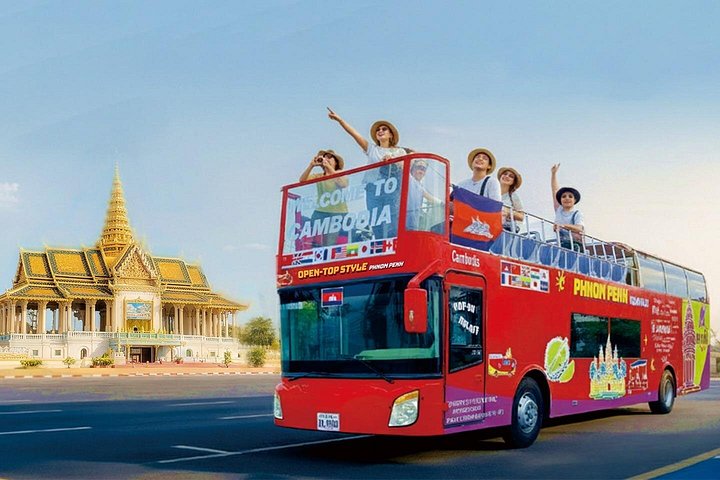
Tuk-tuks are the usual way to travel, and the key to keeping the cost down is to agree the price before you set off, or to use a ride-hailing app that shows the fare in advance. Short rides in the centre should be inexpensive, and a half-day with the same driver, to the memorial sites for example, is usually better value than a series of separate rides. A one-day sightseeing bus pass that includes a boat cruise is another low-cost way to get an overview of the city, and a group tour can be cheaper than hiring a private driver if you are travelling alone.
Where to spend
Spend on the things that bring the place to life: a guide or audio guide at Tuol Sleng and Choeung Ek, a food tour or a Khmer cooking class on your first nights, and a sunset cruise on the river. If you have a little more to spend, a day trip to Silk Island or Oudong is good value, and a Kun Khmer boxing evening with a ticket, two beers and food included is a very affordable night out. These cost more than a street meal, but they give you far more than you could manage on your own.
Where to stay
For a low-cost bed, Mad Monkey is the social budget choice, with dorms, private rooms, a pool and a bar, and Okay Boutique Hotel is a good-value mid-range option with a pool and family rooms. The cool, dry months from November to February are the most expensive, and the rainy season brings lower prices and fewer crowds. Book early for the high season, and ask whether breakfast and airport pickup are included.
Money tips
US dollars are widely used alongside the Cambodian riel, which is worth only a fraction of a dollar, so carry small notes in both. Keep cash for tuk-tuks, stalls and entry fees, since many small places do not take cards. Be polite and good-humoured when bargaining at the markets, and remember that a small difference means more to a stallholder than it does to you. Keep your valuables out of sight, and use a bag with a zip in crowded places.