Phnom Penh is hot all year, and the real question is how hot, how wet and how busy you want it to be. The city has a tropical climate with three broad seasons, and there is a good time to visit for almost every kind of traveller, as long as you plan your days around the heat. Here is how the year works.
November to February: cool, dry and busy
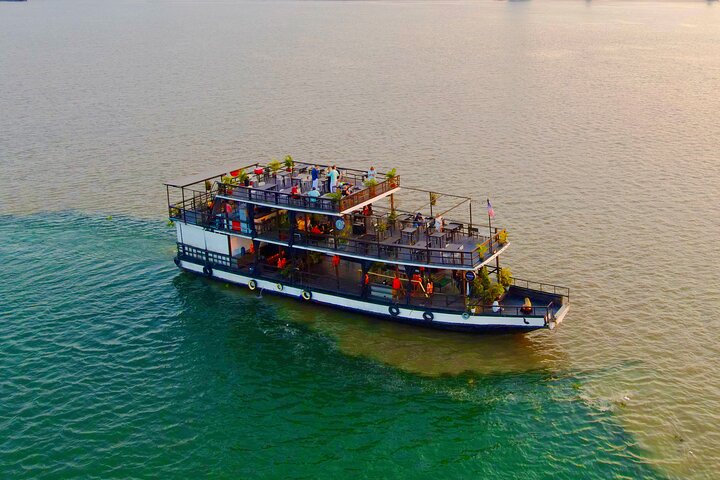
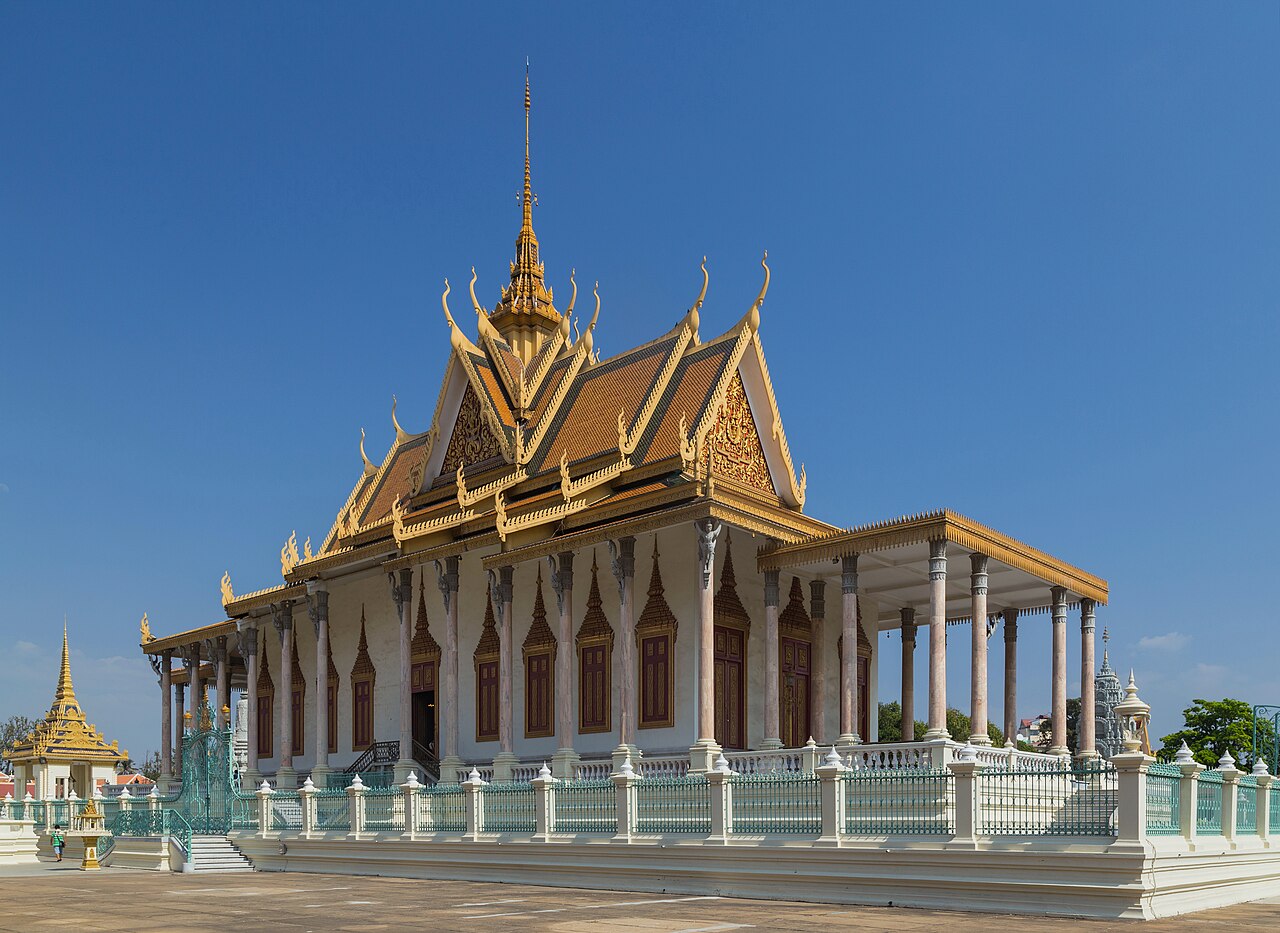
This is the high season and the most comfortable time to visit, with lower humidity, plenty of sunshine and mornings and evenings that feel almost fresh. It is the best time for the Royal Palace, the Silver Pagoda, the markets and the river, and for the day trips to Oudong, Silk Island and the temples. It is also the busiest and most expensive period, so book hotels, the sunset cruise and the day trips ahead, especially for the best departures. Even in these months, the middle of the day is warm, so keep your outdoor sightseeing for the morning and the late afternoon.
March to May: the hot season
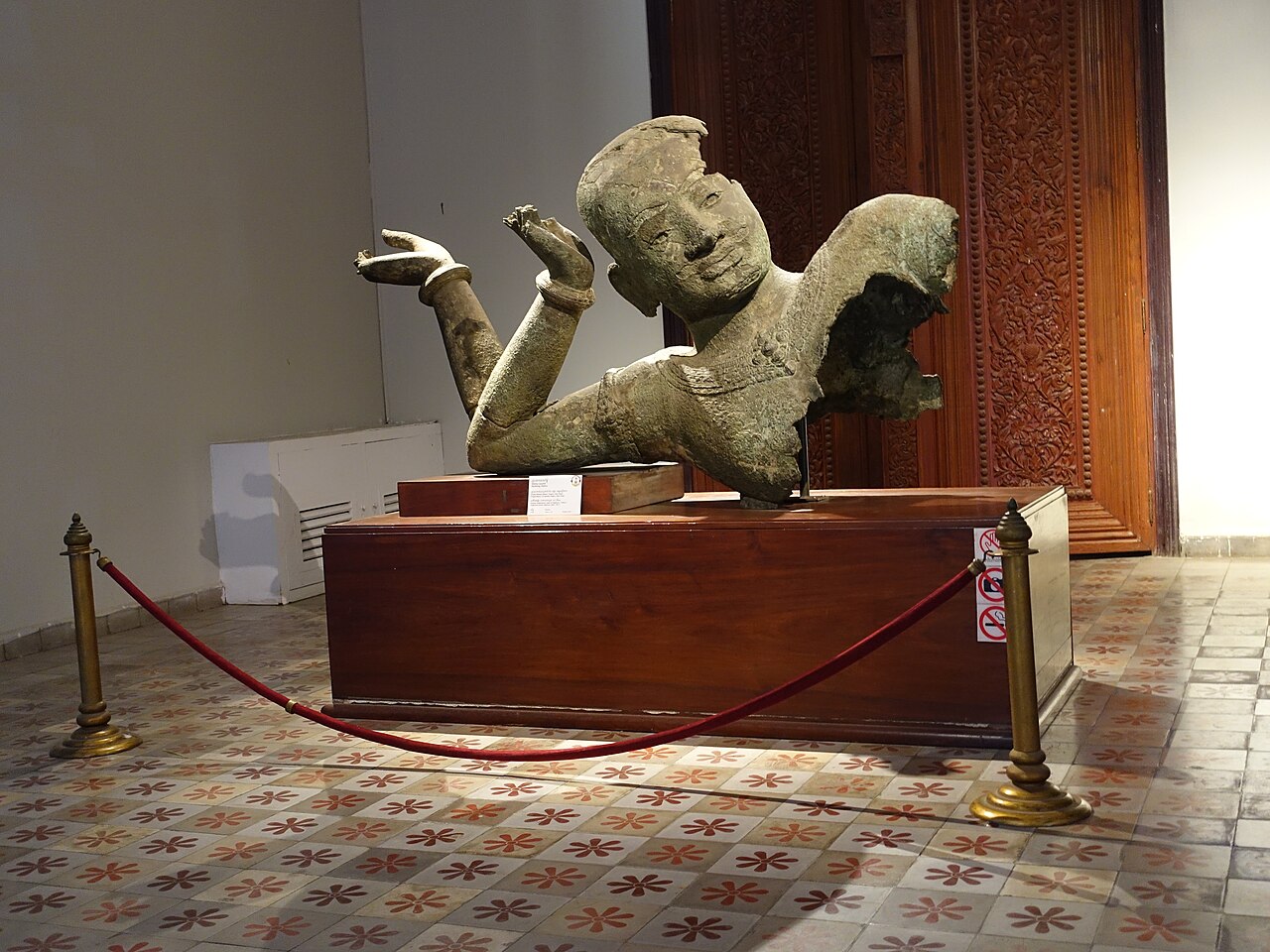
Temperatures climb steadily, the air is heavy and the midday sun is fierce. Visits are still possible, and hotel prices can be lower, but plan carefully. Start sightseeing as early as the sites open, rest in the middle of the day by a pool or in an air-conditioned museum, and head back out in the late afternoon. This is the season when a hotel pool matters, and a cooking class or the National Museum makes a good indoor option. Drink plenty of water and wear a hat and sun protection.
June to October: the rainy season
The monsoon brings heavy afternoon showers, a greener countryside and fewer visitors. Rain often comes in short, intense bursts rather than all day, so mornings are often dry and good for sightseeing. The countryside and the rice fields are at their most beautiful, prices are lower and the sites are quieter. Roads in the countryside can be muddy and some journeys slower, and heavy downpours can briefly flood streets in the city. Carry a light rain jacket or a small umbrella, wear shoes that dry quickly and keep your plans flexible. Silk Island and Oudong can be wetter and slower in the rains, so check conditions when you book.
Festivals
Cambodia’s calendar includes several major celebrations that change the feel of the city. Khmer New Year, in mid-April, is the biggest holiday, when many people travel home and some businesses close for several days. Pchum Ben, the festival of the ancestors, falls in the autumn and is a time when many Cambodians visit pagodas, and the Water Festival, in the cool season, fills the riverfront with crowds and boat races. Dates move from year to year, so check them before you plan. If you are visiting during a holiday, book early, expect busy transport and be prepared for some closures. The Royal Palace can also close at short notice for ceremonies at any time of year.
Choosing your month
For the easiest weather and the full programme of tours, choose November to February. For lower prices, quieter sights and a green landscape, and if you do not mind a shower, choose the rainy season. For the best value, if you can handle the heat, choose the shoulder weeks at the start or the end of the hot season. If you are travelling with young children, the cool season is far more comfortable.
What to pack
Pack light, breathable clothes that cover shoulders and knees, since the palace, the temples and the memorial sites all require them. Bring comfortable walking shoes, a hat, sunglasses, sunscreen and insect repellent, and a reusable water bottle. A light rain jacket is useful from June to October, and a light layer helps with strong air conditioning in the museums and the hotels. Keep a few small US dollar notes for tickets and tuk-tuks.
Planning around the heat
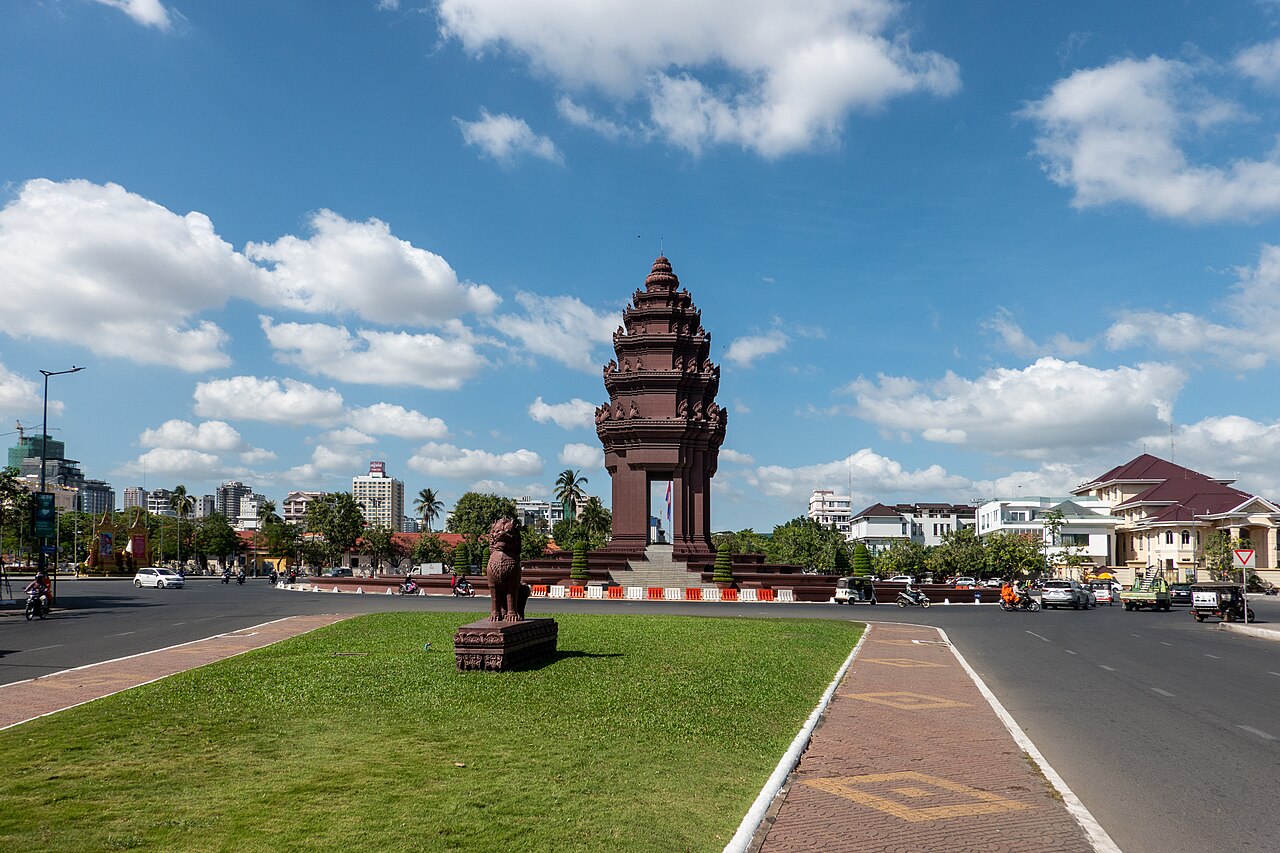
In any season, the pattern is the same: palace, museum or temple in the morning, a long, cool lunch and a rest in the middle of the day, then the market, the river or a sunset cruise in the late afternoon and evening. The Independence Monument and the riverfront are at their most pleasant at dusk, when the city comes out to walk and exercise.