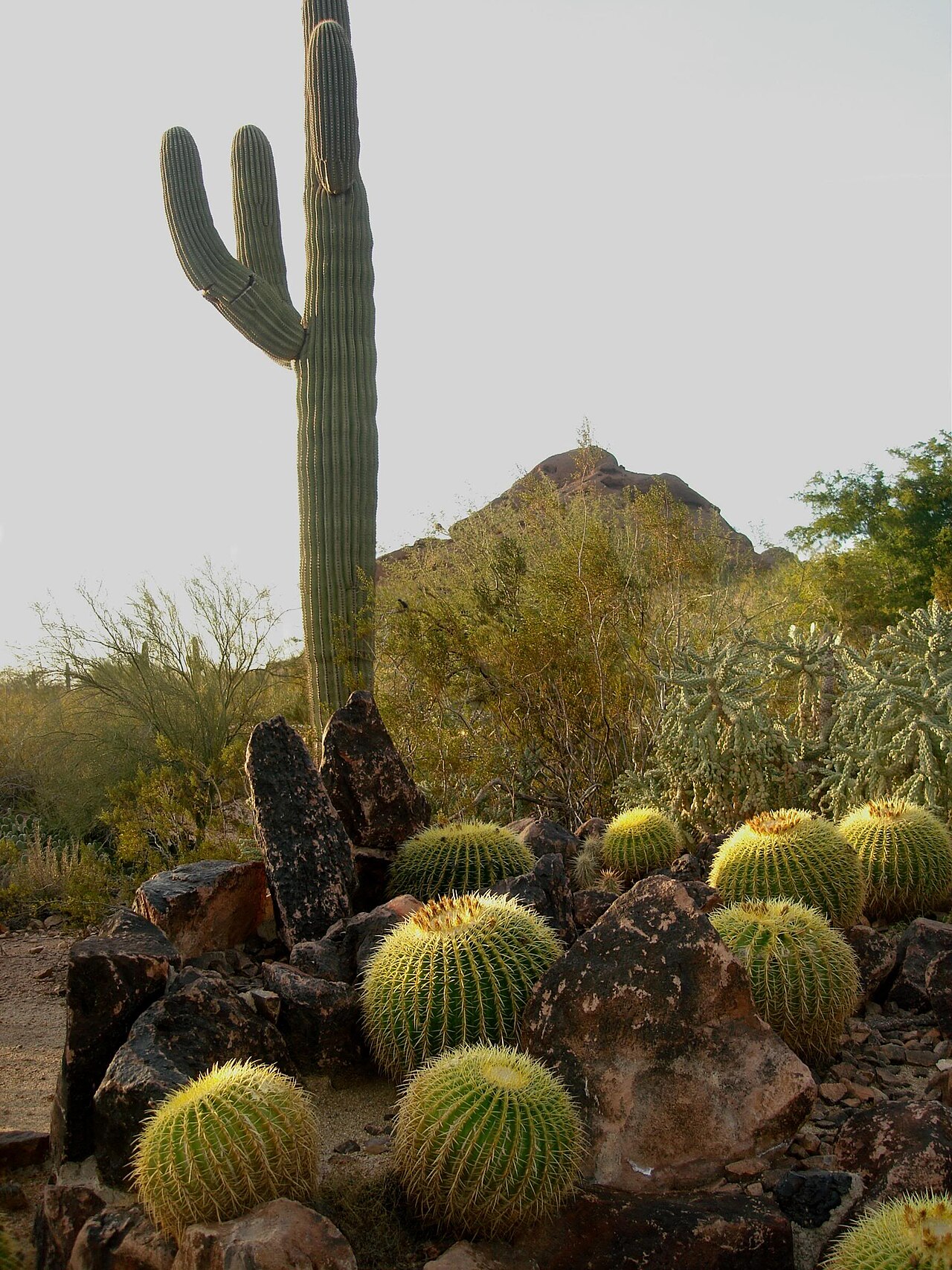
The Lower Salt River is the Valley's backyard river: a stretch of water running through the Sonoran Desert in Tonto National Forest, less than an hour from downtown Phoenix and Scottsdale. A half-day guided rafting trip is the easiest way to experience it. Rather than the white-knuckle rapids of a mountain river, this is a gentle float with a few light riffles, which means it suits first-timers, families with older children and anyone who wants scenery more than adrenaline. The banks are lined with cottonwood and willow, saguaro-covered hills rise behind them, and the river is known for its wildlife. Herons, eagles and other birds are common, and the Salt River wild horses, a herd that roams the area, are the headline sighting many guests hope for, though they are never guaranteed. A guide handles the paddling decisions, shares the natural history of the river and keeps the group safe, while you sit back and watch the desert drift past at the speed of the current. Check the start point, age and weight limits and what is provided when you book, and bring sun protection, water and shoes that can get wet.
The experience is shaped by the contrast. Phoenix is a city of dry washes and baked ground, and a river bordered by green trees feels almost surprising. That contrast is why the Salt has been the Valley's favorite place to cool off for generations, and why the guided option is worth considering over a self-directed float: a guide picks the right stretch, explains the wildlife and the water system, and takes care of logistics such as shuttles and gear.
Timing matters. River trips run when water levels and temperatures suit them, and the comfortable seasons are spring, early summer and early autumn, with the warmest months being the most popular for the cooling effect of the water. Winter days can be pleasant for the scenery but cool on the water, so ask the operator what to wear.
Whatever the season, early starts avoid the strongest sun. Wear a hat, sunglasses with a strap, reef-safe sunscreen and shoes that stay on your feet, and bring a refillable water bottle. Leave phones and valuables in a dry bag or in the car.
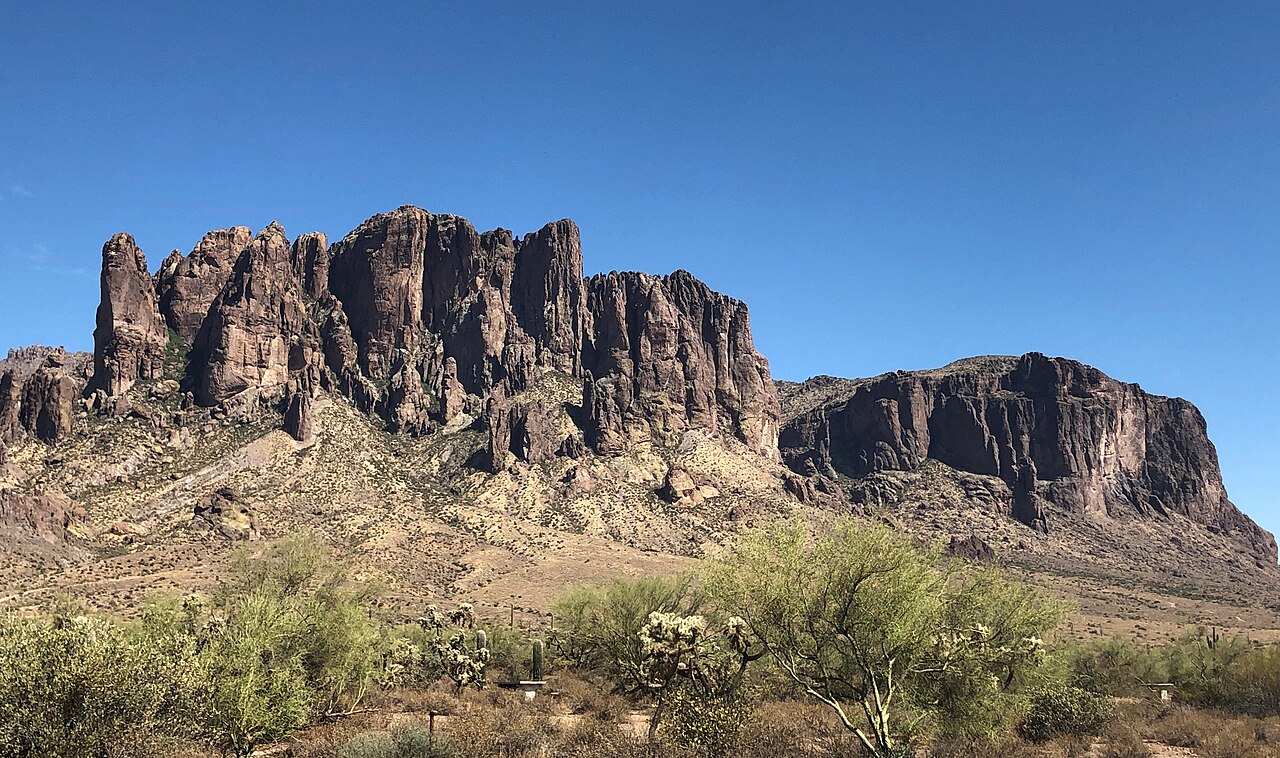
A half-day trip leaves room for the rest of the day. Many guests pair the river with lunch in Mesa or a drive up to Saguaro Lake, where kayaking and paddleboarding are the other main water activities in the area, or with a visit to the Superstition Mountains and the Apache Trail for a second outdoor outing.
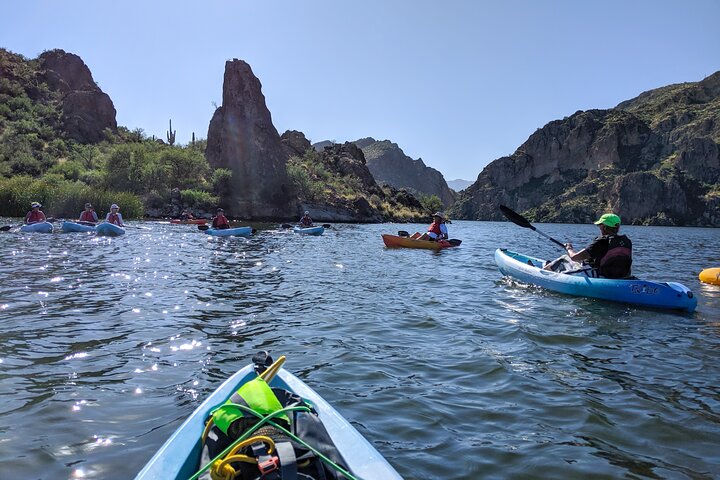
If you prefer a quieter, more active way to see the same landscape, the guided kayak and paddleboard trips on Saguaro Lake are the natural alternative. Reserve ahead in peak season, because small boats and limited departures mean popular dates fill.
Think about the logistics before you go. The river sits outside the city, so allow time for the drive, check whether the operator provides a shuttle, and confirm the meeting point on the morning. Bring a change of clothes, a towel and a plastic bag for wet items, and leave anything you would hate to lose at the hotel. Cell service can be patchy along the water, so agree a meeting spot with your group in case anyone gets separated.
What to expect
The experience
A guided half-day raft float on the Lower Salt River through Tonto National Forest, with gentle riffles and desert scenery.
Best time
Spring through early autumn; start early to avoid the strongest sun.
How long
About half a day including meeting, shuttle and the float.
Tips
Wear a hat, strapped sunglasses and shoes that can get wet, bring water, and ask about age and weight limits.
Quick picks
- Best for
- Families and first-timers who want scenery and a cool-down rather than big rapids.
- Families
- Usually suitable for children above the operator's minimum age; check limits when you book.
- Couples
- A relaxed, shared outdoor morning.
- Pair with
- Saguaro Lake or the Apache Trail on a second day.
- Time needed
- Half a day.
Good questions
Are there big rapids?+
No. The Lower Salt is mostly a gentle float with a few light riffles, which is why it suits beginners.
Will I see wild horses?+
They roam the river area and are a popular sighting, but wildlife is never guaranteed.
Do I need experience?+
No. Guides handle the steering and explain what to do.
What should I bring?+
Sun protection, water, a hat and shoes that can get wet; keep valuables in a dry bag or the car.
When is the best season?+
Spring through early autumn; winter days can be cool on the water.