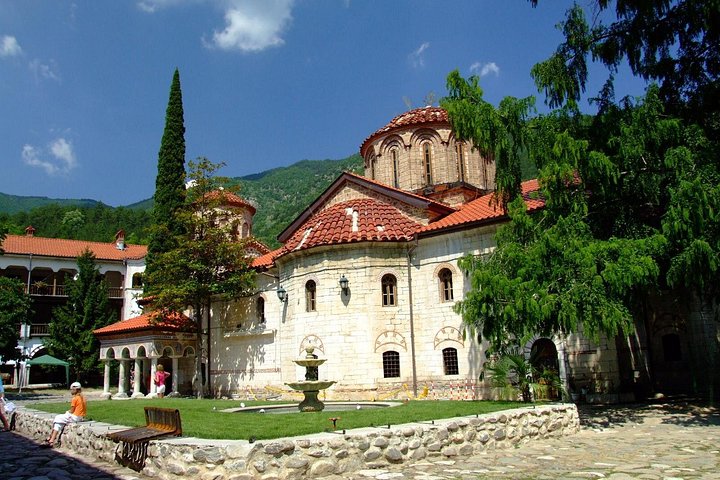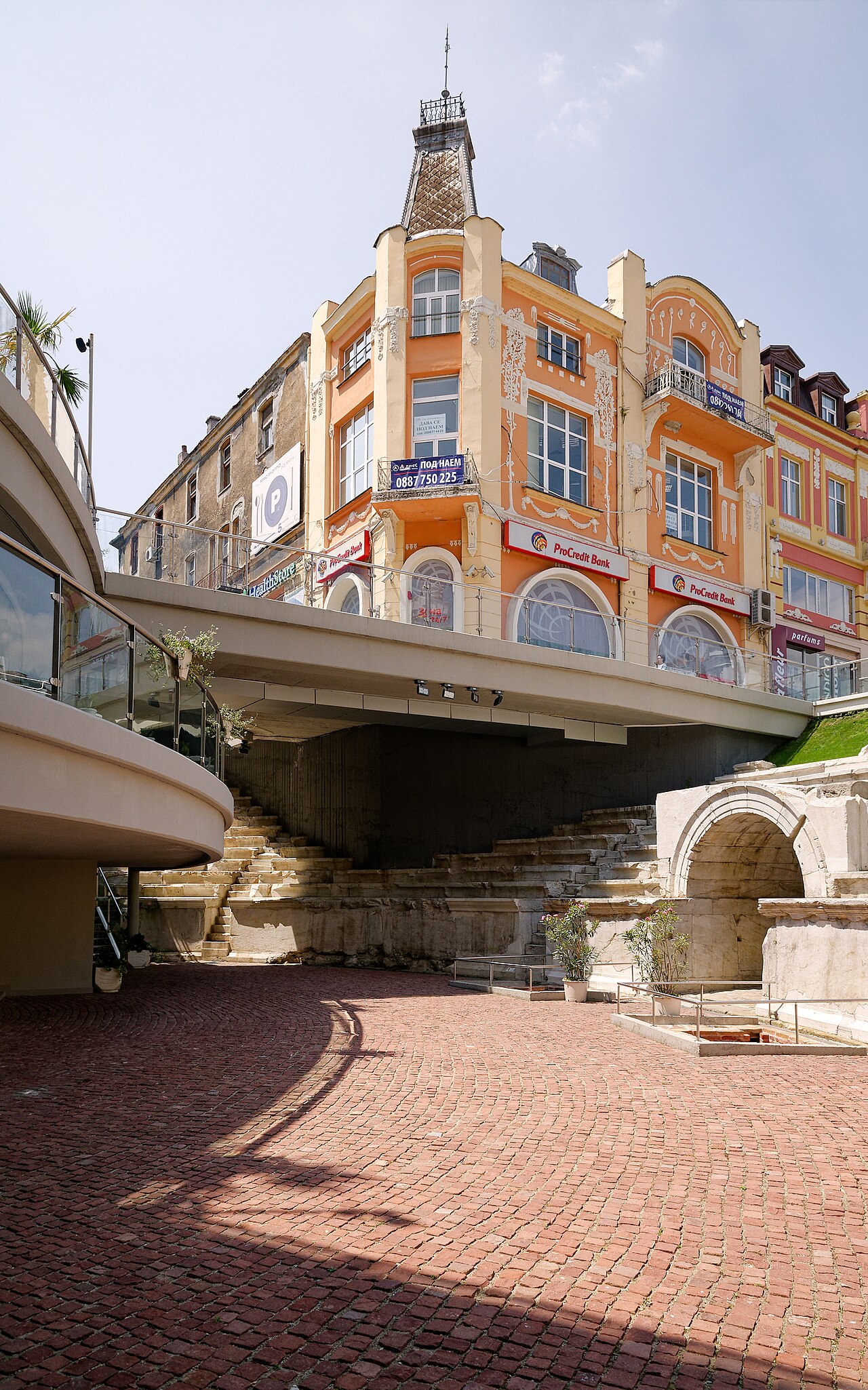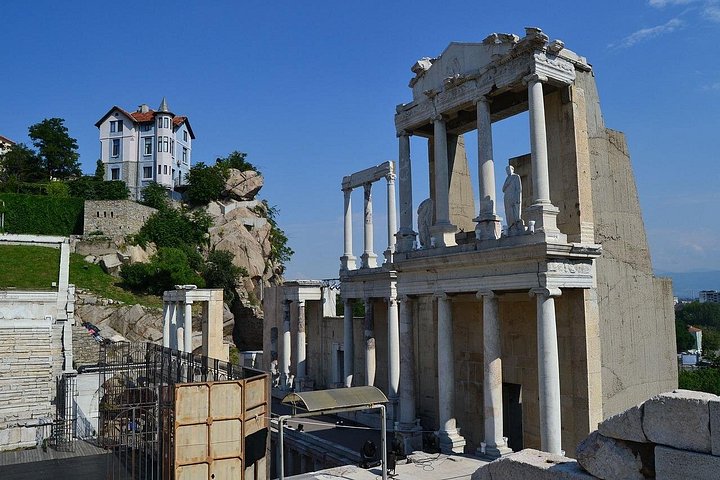
Hisarya is a small spa town on the southern slopes of the Sredna Gora mountains, roughly three-quarters of an hour from Plovdiv, and it has been famous for its hot mineral springs since Roman times. The Romans built a fortified town here in the late third and fourth centuries, and its massive walls, towers and gates survive in places up to several metres high, which makes them among the best-preserved late Roman fortifications in the country. You can walk along sections of the wall, pass through the monumental gates and climb a tower or two, and the stone and brick courses show the construction techniques of the period. The town itself is green and relaxed, with a large park, fountains where mineral water flows freely for drinking, spas and hotels, and a long tradition of taking the waters. A visit combines archaeology with a leisurely stroll, and you can finish with a soak at a spa, a coffee in the park or a meal in a local restaurant. A guided half-day or full-day tour from Plovdiv often combines Hisarya with other stops such as Starosel, which makes the most of the journey. The walls are open to walk around, and some of the museum and spa facilities have paid entry.
The Roman story
The town the Romans called Diocletianopolis, after the emperor, was a prosperous spa and a fortified settlement, and it was surrounded by a wall with towers and several gates. Parts of the wall have been conserved, so you can see alternating bands of stone and brick, the arched gates and the remains of bastions. The walls are impressive in scale, and walking beside them gives a real sense of how the town was protected.
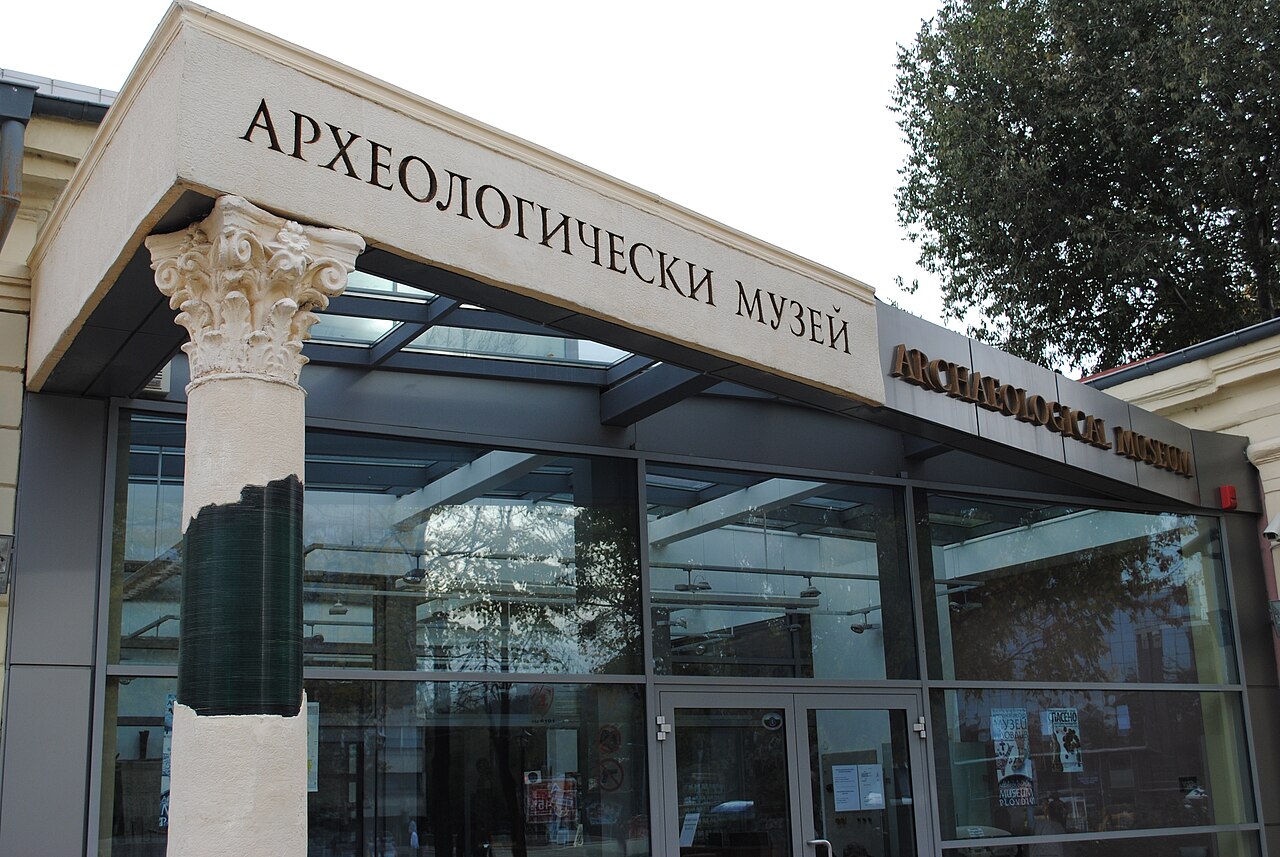
Baths and other Roman structures have been found within the town, and finds from the area are shown in the local museum. If you have visited the Roman Theatre and the Stadium in Plovdiv, Hisarya offers a different side of the Roman story, with defensive architecture instead of entertainment.
The waters
The area has a large number of mineral springs with different temperatures and mineral content, and locals have long used them for drinking and bathing. The springs in the park flow from public fountains where you can fill a bottle, and the water has a distinctive taste, so sample it before you commit to a litre.
Many hotels and spas offer pools, massages and treatments, and a few hours of relaxation are an easy way to round off a day of walking. Check what is open and book in advance for a treatment on weekends and in summer.
Planning
The town is small and can be explored on foot, with walking shoes advisable for the cobbled sections and slopes. The best seasons are spring and autumn, when the park is green or golden and the air is mild, though a winter visit with a warm spa afterward can be very pleasant. Hisarya works well as a half-day, or as part of a regional day combined with Starosel and a wine stop. Travelling by public transport is possible but a tour or a driver makes combining sites much easier.
What to expect
The experience
A relaxed visit to a spa town: walk beside the Roman walls and gates, taste the mineral water in the park and, if you like, add a spa session or a meal.
Best time
Spring and autumn for mild weather and a green or golden park. Winter works well if you plan a warm spa afterward.
How long
Allow three to four hours in town, plus the drive of about three-quarters of an hour each way from Plovdiv.
Tips
Bring a bottle to fill at the fountains, wear comfortable shoes for the slopes and book any spa treatments in advance at busy times.
Quick picks
- Best for
- Travellers who like Roman history in a relaxed, green setting with an optional spa session.
- Families
- Children enjoy the walls and the park, and the mineral fountains are a novelty.
- Couples
- Combine the Roman walls with a spa afternoon and a quiet dinner.
- Pair with
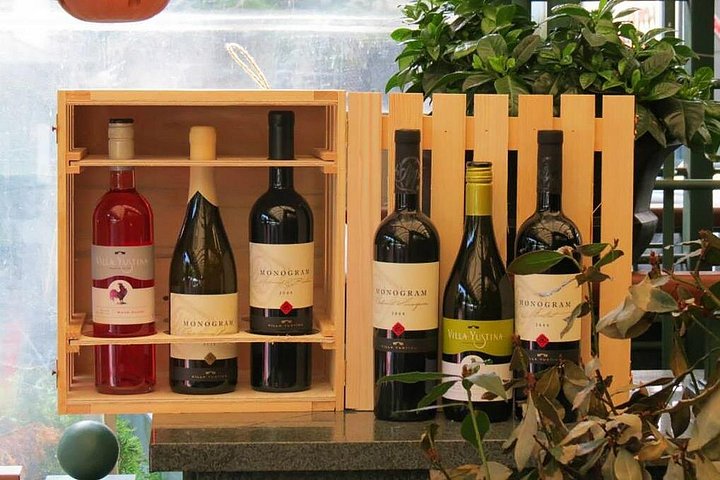
- Starosel for Thracian tombs, Koprivshtitsa for Revival houses, or a wine tasting.
- Time needed
- Half a day, or a full day with Starosel.
Good questions
How far is Hisarya from Plovdiv?+
Roughly three-quarters of an hour by road, which makes it one of the easiest excursions from the city.
What can I see?+
Sections of the late Roman fortress walls, gates and towers, a museum, mineral fountains in the park and a range of spas.
Is the water safe to drink?+
Public fountains in the park are widely used for drinking. The taste is distinctive, so try a small amount first, and follow local advice if you have a health condition.
Can I swim or have a spa treatment?+
Many hotels and spas offer pools and treatments, some open to day visitors. Book ahead on weekends and in summer.
Can I combine it with other sights?+
Yes. Starosel, Koprivshtitsa and local wineries are all within reach, and many tours link them.