North of the Sredna Gora mountains and the Balkan range lies a valley with two claims to fame. In antiquity it was a burial ground of Thracian kings, and its fields are dotted with great grass-covered mounds that conceal stone tombs. In modern times it has become known as the Rose Valley, where damask roses are grown for the perfume and cosmetics industry. A day trip from Plovdiv puts both in a single itinerary. The headline site is the Thracian tomb of Kazanlak, a domed brick chamber whose painted ceiling is among the finest surviving examples of Hellenistic art in Bulgaria and is protected on the world heritage list; because the original is fragile and closed to the public, visitors see a nearby replica. Around the town of Kazanlak, other mounds and finds tell the story of the Odrysian kingdom, and the area is also home to a museum devoted to roses and the rose-oil trade. The drive from Plovdiv takes roughly two hours each way, so this is a full day, best done with a driver or a guide who can combine the tombs, a distillery or a museum, and a lunch in town. Entry fees are paid at each site.
The Thracian side
The Odrysian kings were among the most powerful rulers of ancient Thrace, and their burial mounds are scattered across the countryside. The tomb near Kazanlak dates from around the fourth to third centuries before our era and is notable for its murals, which show a funeral feast and scenes of ceremony in colours that have survived for more than two thousand years. To protect it, access to the original is restricted, so the replica built close by is where most visitors see the paintings, and it is made with great care.
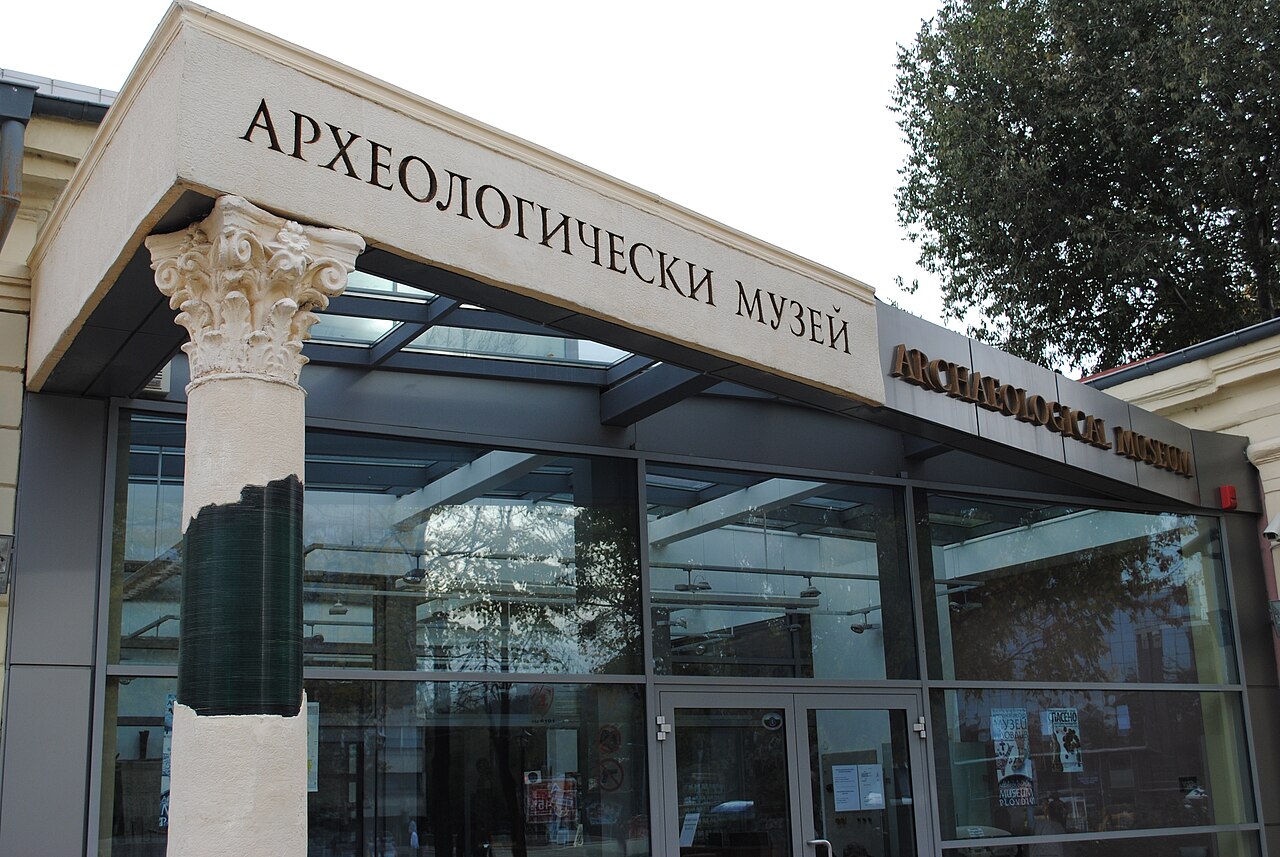
Around the valley there are other tombs and mounds, and some of the most famous gold and bronze finds from Thracian burials came from this region. Seeing the setting makes the objects in the Archaeological Museum in Plovdiv much easier to understand.
The rose side
The damask rose has been grown here for centuries, and Bulgaria is one of the world's leading producers of rose oil. The harvest takes place in a short season in late spring, usually around the end of May and into June, when pickers work at dawn to gather the flowers before the sun reduces their scent. At that time of year the fields are in bloom and the town holds festivities in the early summer.
Outside the season you can still visit a rose museum or a distillery, learn how the oil is made and buy products such as rose water, jam, cosmetics and sweets. Even without the bloom, it is a fascinating look at an industry that is very much part of Bulgarian identity.
Planning
The best time for the roses is late spring, while the tombs and countryside are pleasant in spring and autumn. Summer is warm, and winter brings cold air and the occasional snow on the surrounding peaks. Wear comfortable shoes, carry a layer and bring some cash for small entries and souvenirs.
The trip works well as a stand-alone day, and it pairs naturally with the Archaeological Museum in the city, where gold and ceramics from Thracian graves are on view. Travellers who prefer a lighter day can pick the nearer Starosel complex instead, which gives a similar flavour with a shorter drive.
What to expect
The experience
A full-day guided trip over the mountains to Kazanlak, combining the Thracian tombs and mounds with a rose museum or distillery and lunch in town.
Best time
Late May to early June for the rose harvest, otherwise spring and autumn for comfortable weather.
How long
Allow about nine hours with a drive of roughly two hours each way.
Tips
Wear comfortable shoes, bring a layer and some cash for entries and rose products, and ask your guide about the season so you know what to expect in the fields.
Quick picks
- Best for
- History lovers and anyone who wants to combine ancient tombs with a sensory visit to a rose distillery.
- Families
- Children enjoy the mounds and the rose products, but the day involves a lot of driving.
- Couples
- A scenic and fragrant day, best in late spring when the fields are in bloom.
- Pair with
- The Regional Archaeological Museum in Plovdiv, and Starosel for a shorter Thracian outing.
- Time needed
- A full day.
Good questions
When is the rose harvest?+
Usually late May and into June, though the exact weeks depend on the weather. Outside that season you can still visit a rose museum or distillery.
Can I see the original painted tomb?+
The original is fragile and closed to the public, so visitors see a carefully made replica nearby.
How far is Kazanlak from Plovdiv?+
About two hours each way by road, so this is a full-day excursion.
Is it worth going outside the rose season?+
Yes. The tombs and the story of the Thracian kings are the main draw, and the rose museum and products are a pleasant extra at any time.
Can I buy rose products?+
Yes. Rose water, oil-based cosmetics, jam and sweets are sold in Kazanlak and at distilleries.