Plovdiv is one of the best places in Bulgaria to eat and drink, and it is easy to do it well on a modest budget. The city sits at the edge of a fertile plain and a famous wine region, and its restaurants mix traditional Bulgarian cooking with a growing creative scene. Here is how to make the most of it.
How a Bulgarian meal works
Meals start with salads and cold starters, which are meant to be shared, followed by grilled meats or slow-cooked mains, with bread on the table and drinks that often begin with rakia. Portions are generous, so order less than you think you need and add dishes as you go. Service is relaxed rather than rushed, and a table is yours for the evening.
Salads and starters
Start with shopska salad, a mix of chopped tomatoes, cucumbers, peppers and onion under a snowfall of grated white sirene cheese. Try snezhanka, a cold salad of strained yogurt, cucumber and walnuts, and tarator, a chilled soup of the same ingredients that is very welcome in summer. Lyutenitsa, a spread of roasted peppers and tomatoes, is the classic partner for bread.
Grills and mains
Kebapche and kyufte, grilled minced meat in long and round shapes, are the national fast food and appear on nearly every menu. Look also for kavarma, a slow-cooked stew of meat and vegetables, sarmi, which are stuffed vine or cabbage leaves, and gyuvech, a stew baked in a clay pot. Vegetarians can build a very good meal from salads, baked cheese, stuffed peppers, bean stews and grilled vegetables, though it is worth asking if dishes contain meat stock.
Breakfast and snacks
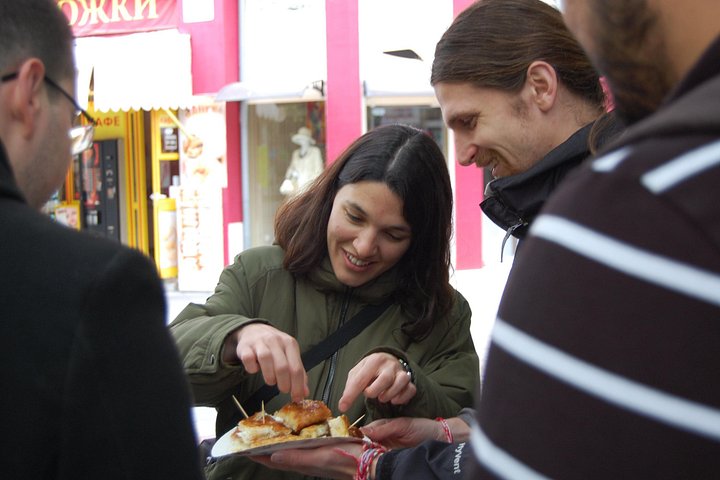
Banitsa, a flaky pastry layered with white cheese and eggs, is the classic breakfast, eaten warm with plain yogurt or ayran, a salty yogurt drink. Bakeries sell it by the slice, and it is a cheap, filling start to a day of walking. For something sweet, look for tulumba, fried dough soaked in syrup, and for a rose-flavoured treat, try Turkish delight and jams made from the rose petals grown in the valley to the north.
Wine
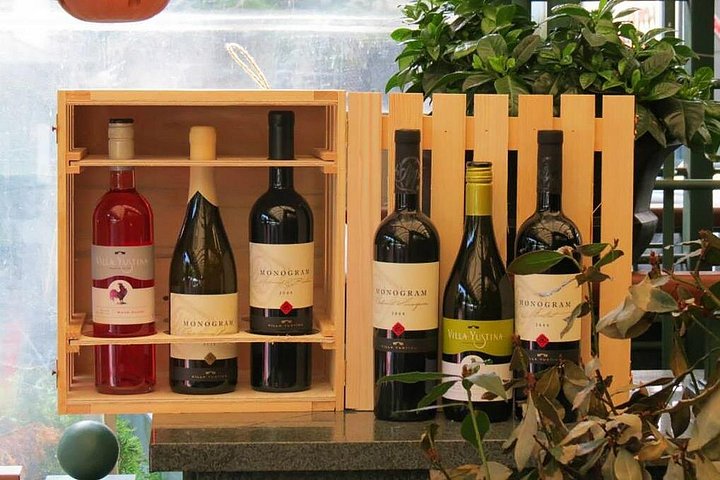
The Thracian Valley around Plovdiv is one of Bulgaria's main wine regions, and the local star is Mavrud, a dark, structured red grape that is grown mainly in this part of the country. Dimyat and Misket are the classic native whites, light and aromatic, while many wineries also make good wines from Cabernet Sauvignon, Merlot and Syrah. A tasting in the city or a trip to the vineyards is the best way to learn the styles, and our Thracian Valley tasting is a good place to start.
Rakia
The national spirit, usually made from grapes or fruit such as plums, is served in small glasses before the meal with a salad. Sip it slowly, and expect to be toasted with a cheerful na zdrave. Homemade rakia can be strong, so pace yourself. Many restaurants and shops offer tastings, and a bottle is a good souvenir.
Where to eat
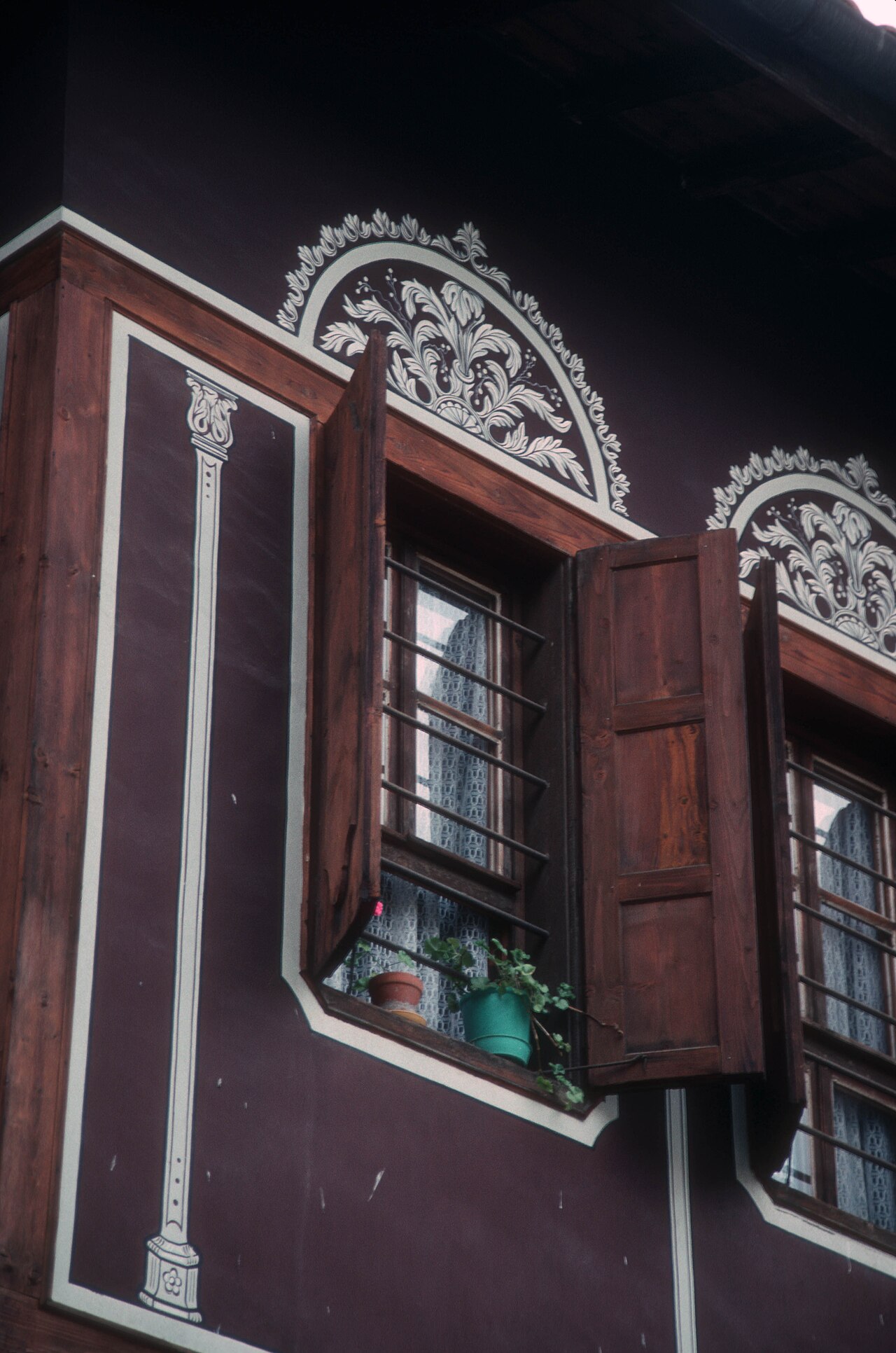
Kapana, the creative quarter, is the most lively spot for dinner, with small restaurants, bars and food stalls in pedestrian lanes, and it is particularly pleasant on weekend evenings. The Old Town has traditional taverns in Revival houses with courtyards, a good choice for a more atmospheric dinner with folk-style decor. The streets around the main pedestrian area have cafes for coffee and cake. Reserve tables for Friday and Saturday nights, and look at menus posted outside before you commit.
Coffee and sweets
Bulgarians take coffee seriously, and Plovdiv's cafes are social spaces where a single drink can last an hour. Order an espresso, a macchiato or a cold frappe in summer, and pair it with a slice of cake or a pastry. Ice cream shops along the pedestrian street stay busy on warm evenings, and many bakeries sell fresh bread, savoury pastries and sweets from early morning until the evening.
A guided start
A food walk is the simplest way to get your bearings, and it is a good idea for your first day. In about three hours you taste a range of dishes, learn how the menus work and pick up recommendations for later meals. If you like wine, follow it with an evening tasting.
Practical tips
Tipping of around ten percent is customary if service was good. Cards are widely accepted, but carry some cash for small cafes and bakeries. Lunch menus are often a bargain. Tap water is generally safe, though many visitors prefer bottled. If you eat late, know that kitchens often stay open into the evening, and Plovdiv's cafes are busy well after dark.