Plovdiv is compact, walkable and layered with history, which makes it one of the easiest cities in Bulgaria to visit. Roman ruins sit under shopping streets, nineteenth-century mansions climb a hillside above a creative district, and mountains and vineyards lie within an hour. Here is how to plan it.
How many days
Two full days cover the city well: one for the Old Town, the Roman Theatre and Nebet Tepe, another for the Roman Stadium, Kapana and the Archaeological Museum. A third day suits a trip out of town, and a fourth lets you add a second excursion or simply slow down. Many people visit Plovdiv as a day trip from Sofia, which is about two and a quarter hours by bus or just under three by train, but staying overnight is far better, because the evenings in Kapana and the Old Town are when the city is at its best.
What to book ahead
Very little needs to be reserved long in advance. The Roman Theatre sells tickets on site, in cash, so carry euros in cash. Book a day trip, such as the Bachkovo Monastery and Asen's Fortress tour, the Thracian Valley wine tasting or the Wonderful Bridges trip, a day or more ahead, particularly in spring and autumn. A guided food walk is worth booking for your first day. Reserve restaurant tables in Kapana for weekend evenings. If you plan to visit in summer, check the programme at the Roman Theatre, where concerts and the Opera Open festival can change visiting hours.
Getting around
The centre is walkable, and you will cover most sights on foot. The Old Town is steep and cobbled, so wear shoes with grip, and note that cars are restricted there. Taxis and ride apps are inexpensive and useful for the airport, the stations and tired legs. The central train and bus stations are about two kilometres from the centre. Plovdiv airport has flights to a handful of European cities, and a shuttle or taxi to the centre takes about twenty minutes.
Day one: the Old Town
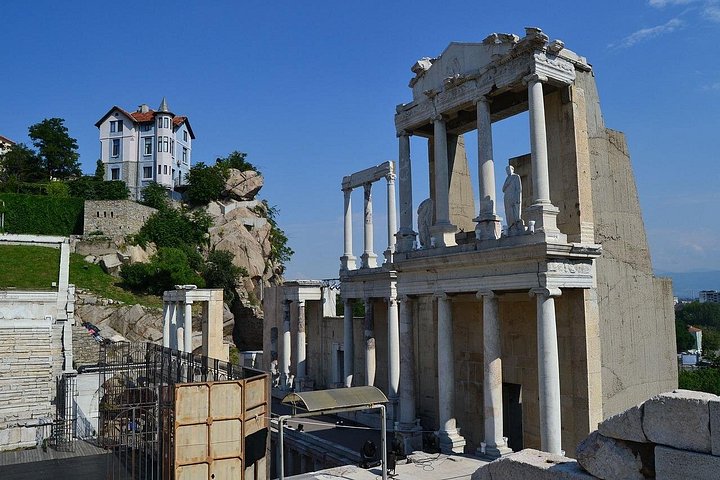
Start at the Ethnographic Museum, closed Mondays, then wander the lanes past Balabanov House and the other Revival mansions. Walk to the Roman Theatre, then climb Nebet Tepe in the late afternoon for the view and the restored walls. Have dinner in Old Town or at a courtyard restaurant.
Day two: the Roman centre and Kapana
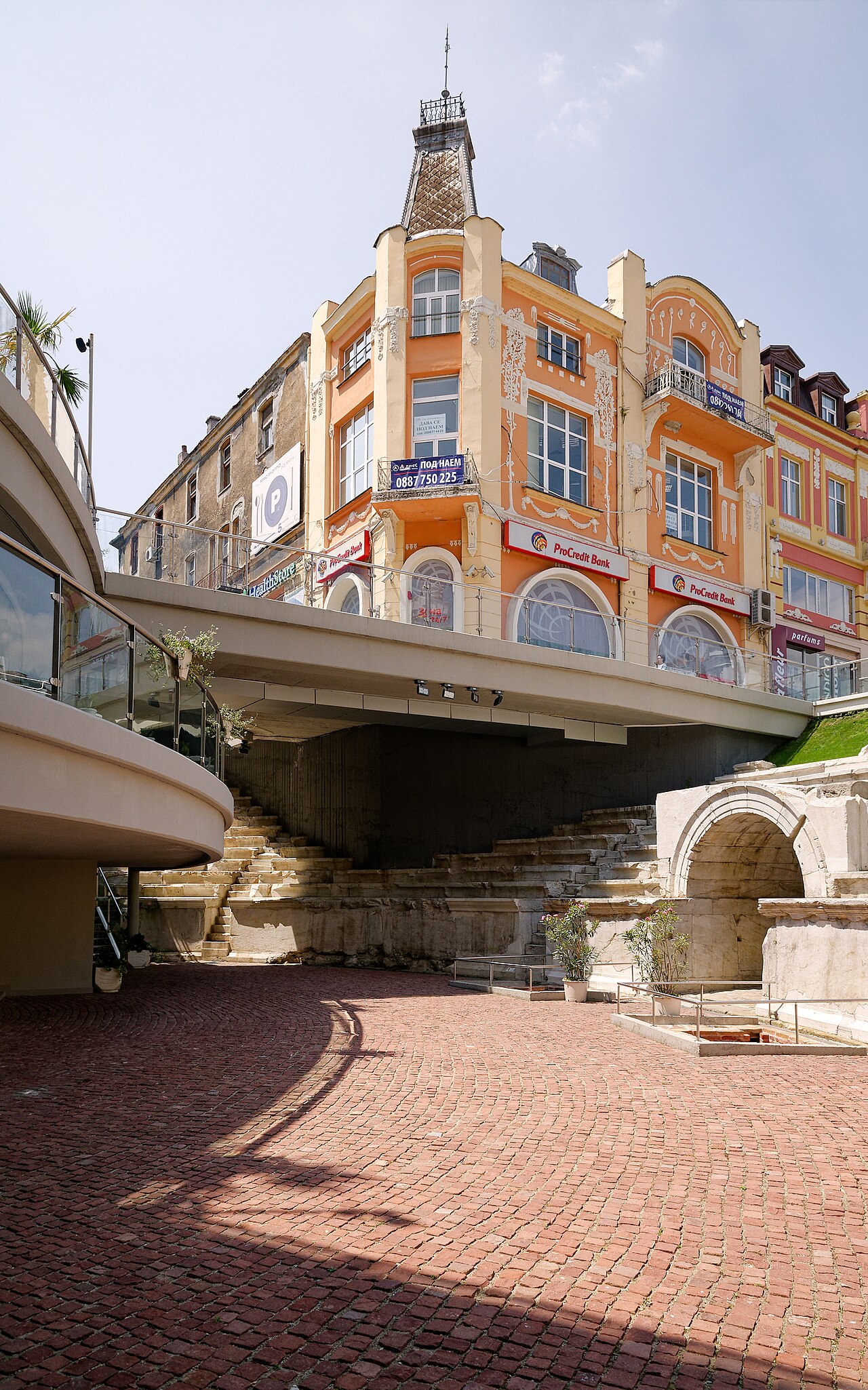
Visit the Archaeological Museum in the morning for the Thracian gold and the free audio guide, then see the Roman Stadium at Dzhumaya Square. Spend the afternoon and evening in Kapana, with coffee, street art, a long dinner and a glass of local wine.
Day three: a day out
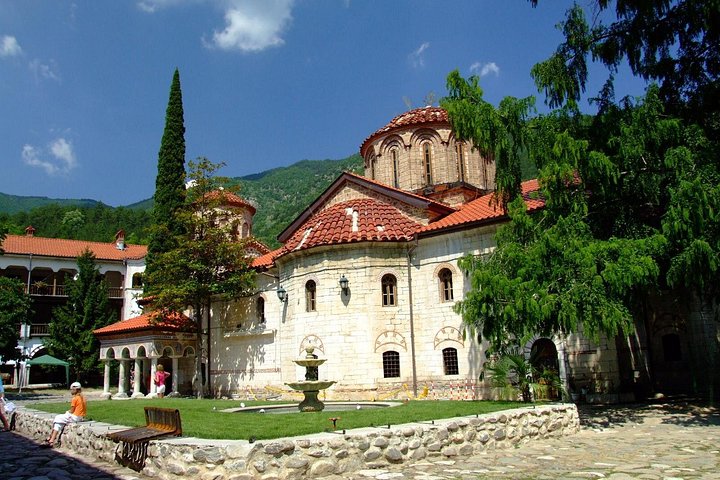
The best choices are the Bachkovo Monastery and Asen's Fortress, an easy half-day to full-day trip, or a full day in the Rhodope Mountains to see the Wonderful Bridges with a mountain lunch. Wine lovers should swap in the Thracian Valley tasting, which takes about three hours.
Seasons
Spring and autumn are the most comfortable, summer is hot and busy with concerts, and winter is quiet with shorter opening hours and occasional rain or snow in the mountains. In November, expect cool days and early sunsets, so plan outdoor climbs for the afternoon, and check opening hours for Nebet Tepe and the museums, which are shorter in winter.
Money and practicalities
Bulgaria uses the euro, and cash is useful for small entries such as the Roman Theatre. Prices are modest by western European standards, especially for food. Dress modestly for monasteries and mosques, and expect English to be widely understood in tourist areas.