Punta Arenas has a cool, windy climate in every season, and the best time to visit depends on what you want to see. The main attractions, penguin colonies, whales, national parks and boat trips, follow the seasons, so a little planning helps. This guide explains what each part of the year offers.
Summer: the main season
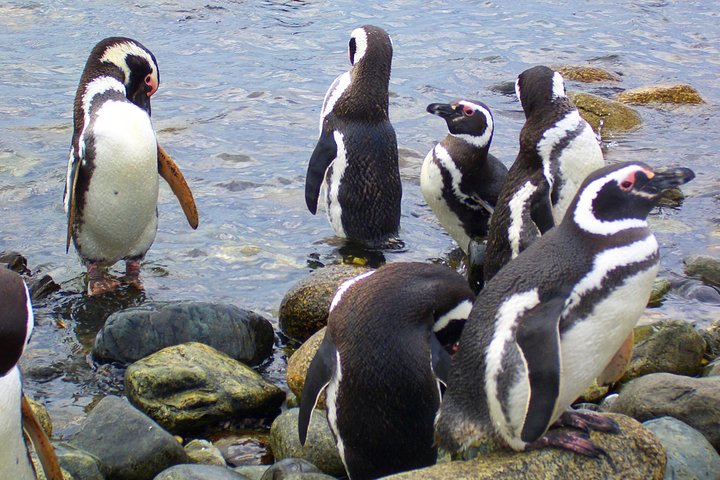
The warmer months, from roughly the end of the year to the start of the next, bring the longest days, with light lingering until very late in the evening. Magellanic penguins are ashore on Magdalena Island, whales feed in the marine park and the roads and parks are open. Daytime temperatures are cool rather than hot, often in the teens Celsius, and the wind can be strong. This is the busiest season for tourism and for cruise ships, so book boat trips and hotels early.
Spring and early summer
As the weather warms, the penguins return to the colonies to dig burrows and court, which makes the first weeks of the season a lively time to visit. Days lengthen quickly, flowers appear and the first boats begin to sail. Weather can still be changeable, and some services start only part-way through the season. It is a good time for travellers who want fewer crowds and long days.
Autumn
Autumn brings golden and red leaves in the lenga forests, quieter trails and lower prices. The penguin season winds down as chicks fledge and birds leave for the winter, so boat trips to the colony end earlier in the season than many visitors expect. Day tours to the parks and the city continue, and the light is beautiful for photography. Weather becomes cooler and wetter, with shorter days.
Winter
Winter is cold, dark and quiet. Daylight is short, temperatures hover near freezing, and snow can fall in the city and the hills. The penguin colonies are empty, and some tours do not run. The reward is a local atmosphere, lower prices and the chance to ski or snowshoe in the Magallanes reserve. Museums, cafes, cooking classes and wine tastings thrive in the cold months, and the city feels cosy. Visitors should dress very warmly and check which services operate.
Wind
The wind is a constant, and it is strongest in the warmer months, when it can reach a level that makes walking difficult and cancels boats. Plan flexibility into your schedule, and put boat trips early in a stay so that you can retry. A windproof jacket is the most important item in your bag.
Wildlife calendar
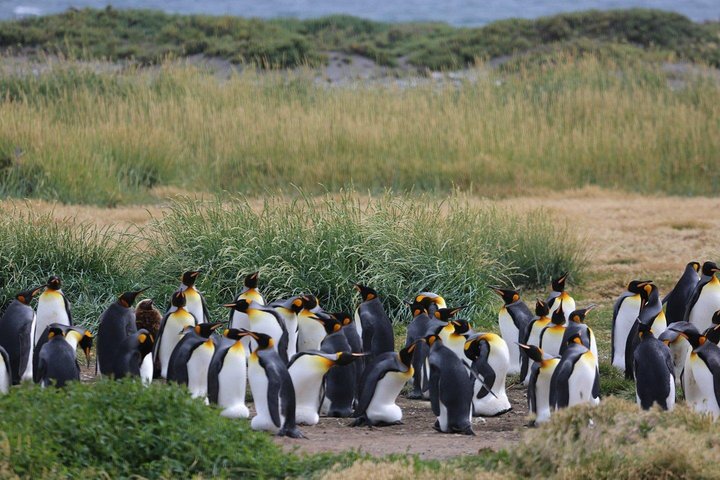
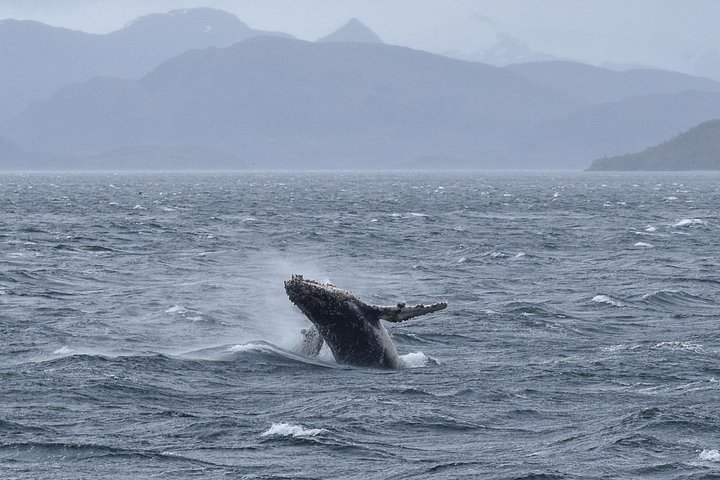
Penguins are ashore on Magdalena Island in the warm half of the year, king penguins at the Tierra del Fuego park can be seen over a longer period, sea lions are present most of the year and humpback whales feed in the marine park in the warm months. Condors, guanacos and rheas can be seen on day trips through the seasons. If a particular species matters to you, ask the operator about timing.
Crowds and prices
Cruise ships arrive in the warm months, and the city fills on port days. Hotels and tours are most expensive in summer. Shoulder periods offer a good balance of weather, wildlife and prices. If you want solitude, choose autumn or winter, and if you want maximum access, choose summer.
Packing by season
Whatever the date, pack in layers: thermal base layers, a fleece, a windproof and waterproof shell, a warm hat and gloves. In summer, add sunglasses and sunscreen, because the southern sun is intense and the wind dries the skin. In winter, add insulated boots, a warmer coat and extra socks. Waterproof trousers are useful on boat trips. Whatever you carry, plan for rapid changes in a single day, and accept that you may use all of your layers before lunch. Keep a small daypack for the layers you shed and add, and a spare pair of dry gloves.
Our advice
For most first-time visitors who want penguins, boat trips and long days, the warm months are best, with early summer a favourite for fresh penguin chicks and fewer visitors. For photographers, autumn colours are a draw. For people who love quiet and do not mind the cold, winter has its own charm. Whichever season you choose, keep layers, flexibility and a sense of humour about the wind.