Food in Punta Arenas follows the climate: cold seas, windy pastures and a long tradition of hearty cooking for people who work outdoors. The city sits between sheep country and a rich fishing ground, and the result is a menu built on lamb, seafood and bread, with a few unexpected flourishes from the immigrant communities that settled here. This guide covers the dishes to try and the habits to know.
King crab, or centolla
The signature seafood of the far south is the southern king crab, known locally as centolla. It appears in many forms: simply steamed with lemon and mayonnaise, in a creamy gratin known as a chupe, in empanadas and in soups. Prices are higher than for other seafood, and seasonal rules protect the stock, so ask about availability. A plate of fresh crab by the water is one of the most memorable meals of a Patagonian trip.
Patagonian lamb
Sheep are the backbone of the regional economy, and roast lamb, cooked slowly over an open fire in the style known as al palo, is a classic. You will see it at restaurants and estancias, often served with potatoes or salad. The meat is tender and mild, and the ritual of eating it in a warm room after a windy day is a pleasure. Lamb stew and ribs also feature on menus.
Empanadas and pastries
Baked or fried empanadas are available everywhere, filled with beef, cheese, seafood or crab. They make an easy lunch or snack for a day tour. Bakeries sell fresh bread, sweet rolls and pastries, and many cafes serve coffee and cake in the afternoon, a custom worth adopting when the weather is raw.
Sauces, salads and sides
Pebre, a chunky salsa of tomato, onion, coriander and chilli, comes with bread at many tables. Chilean salads are simple, often tomatoes with onion and coriander, or avocado with lemon. Potatoes appear in many forms, reflecting the country's roots as the home of the crop. Corn dishes such as pastel de choclo, a baked pie, are comforting and widely offered.
Drinks
Chilean wine is excellent and affordable, with carmenere, cabernet and sauvignon blanc among the stars. The pisco sour, a cocktail of pisco, lemon and sugar, is a national favourite, and a local twist uses calafate, a berry of Patagonia. Legend says that anyone who eats calafate berries will return to Patagonia, which makes a fitting souvenir for the end of a trip. Punta Arenas has its own craft beer tradition, and a cold glass of locally brewed ale fits any evening. Strong coffee, hot chocolate and herbal teas warm up cold afternoons.
Where and how to eat
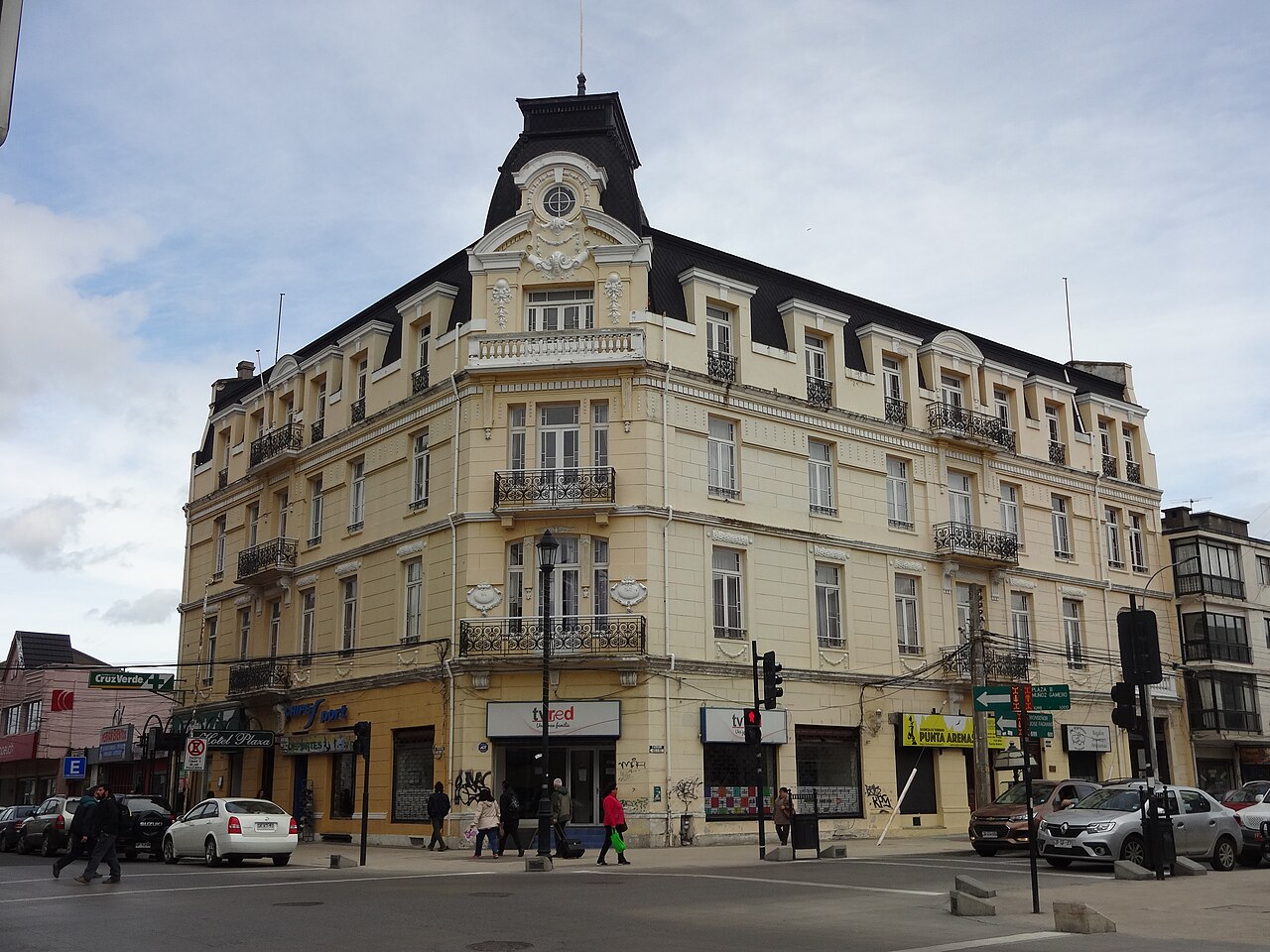
The streets around the plaza hold many restaurants, from simple lunch counters to more formal seafood houses, and the waterfront has a few options with views. Dinner starts late by European standards, often after eight, although tourist restaurants adapt. Reservations are wise for popular places in summer. Tipping around ten percent is customary and usually suggested on the bill. Lunch menus, often a set meal at a fixed price, are a good way to eat well on a budget.
Classes and tastings
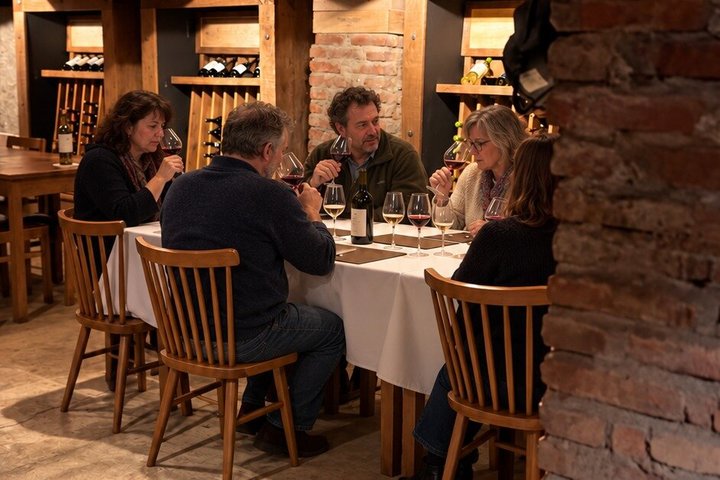
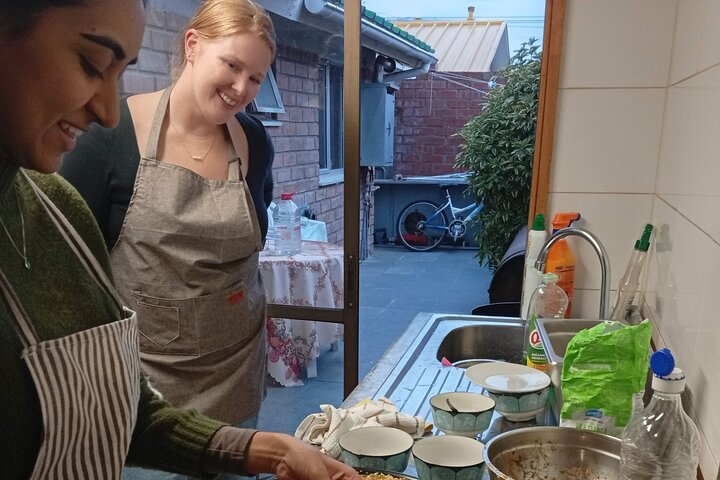
A hands-on cooking class lets you prepare classic Chilean dishes and eat them with wine, which is a fine way to understand the cuisine, and a wine tasting in an underground cellar pairs Chilean wines with regional charcuterie. Both are indoor activities that suit evenings or windy days. They also provide an easy way to meet other travellers and to collect tips for the rest of your trip.
Budget and timing
Eating out in Punta Arenas can be pricey for seafood but good value for set lunches and bakery snacks. Plan a larger meal at midday and a lighter dinner, or the reverse, depending on your tour schedule. Carry a small snack on long day trips, since restaurants may be far apart. If you stay in a cabin with a kitchen, a market visit for bread, cheese and fruit makes inexpensive picnics. Finally, ask your host or guide for current favourites, because restaurants open, close and change menus often in a small city.
Dietary notes
The cuisine is meat and seafood heavy, so vegetarians should plan ahead and ask for vegetable-based dishes, salads, cheese empanadas and soups. Tell hosts of cooking classes about allergies or restrictions in advance. Tap water is generally safe in the city, but many travellers prefer bottled water. Carry snacks for long days, since there are few services on remote roads.