Punta Arenas is the largest city in the far south of Chile, a port on the Strait of Magellan that works as a gateway to penguin colonies, Tierra del Fuego, Torres del Paine and the Antarctic. It is not a resort, and it does not try to be. It is a working city of colourful metal houses, wool-baron mansions and a great deal of wind, and the best visits balance a day or two in town with the boat trips and day tours that make the region famous. This guide sets out what to book, how to move around and how to plan around the weather.
What to book ahead
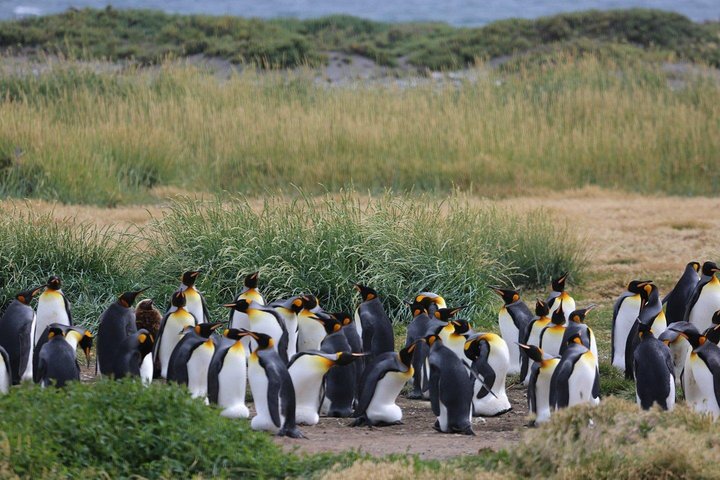
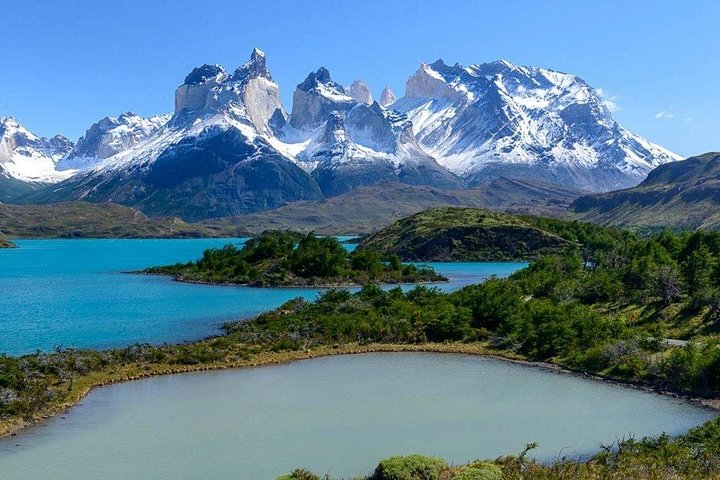
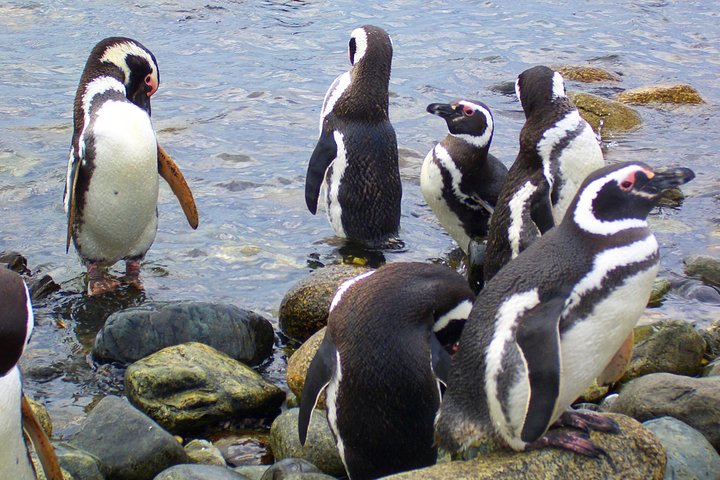
The headline experience is the boat crossing to the Magdalena Island penguin colony, which runs in the warmer months and sells out in peak summer. Book it as early as you can, and keep a spare day in case wind cancels a sailing. The second is the king penguin day trip across the strait to Tierra del Fuego, a long day that needs a confirmed seat. If you want Torres del Paine as a day trip, reserve early, because departures are limited and the day is very long. Whale watching in the marine park is an expedition and is also best reserved in advance.
How to get around
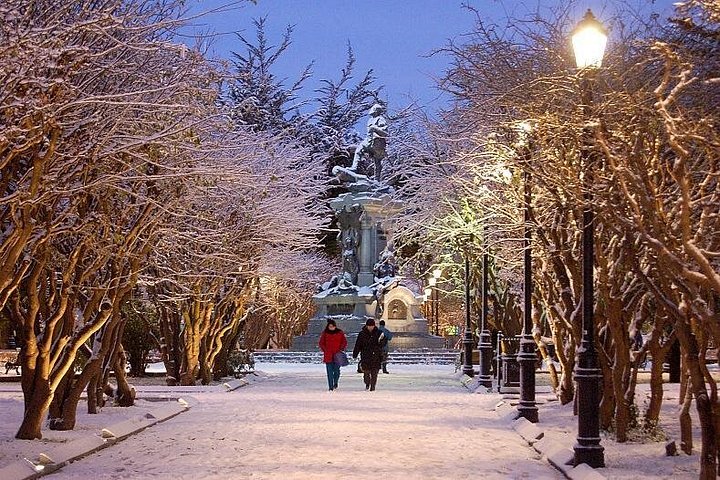
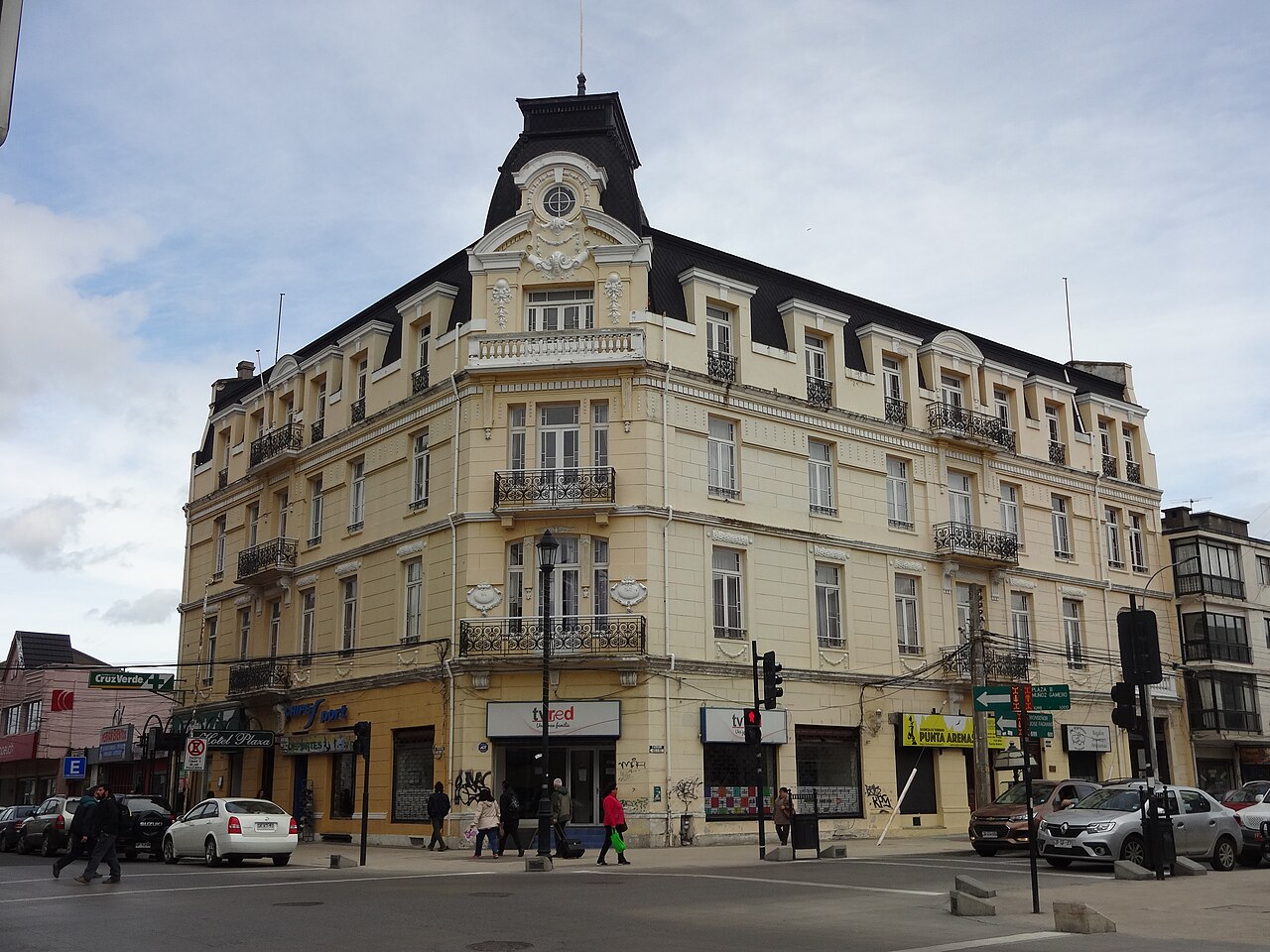
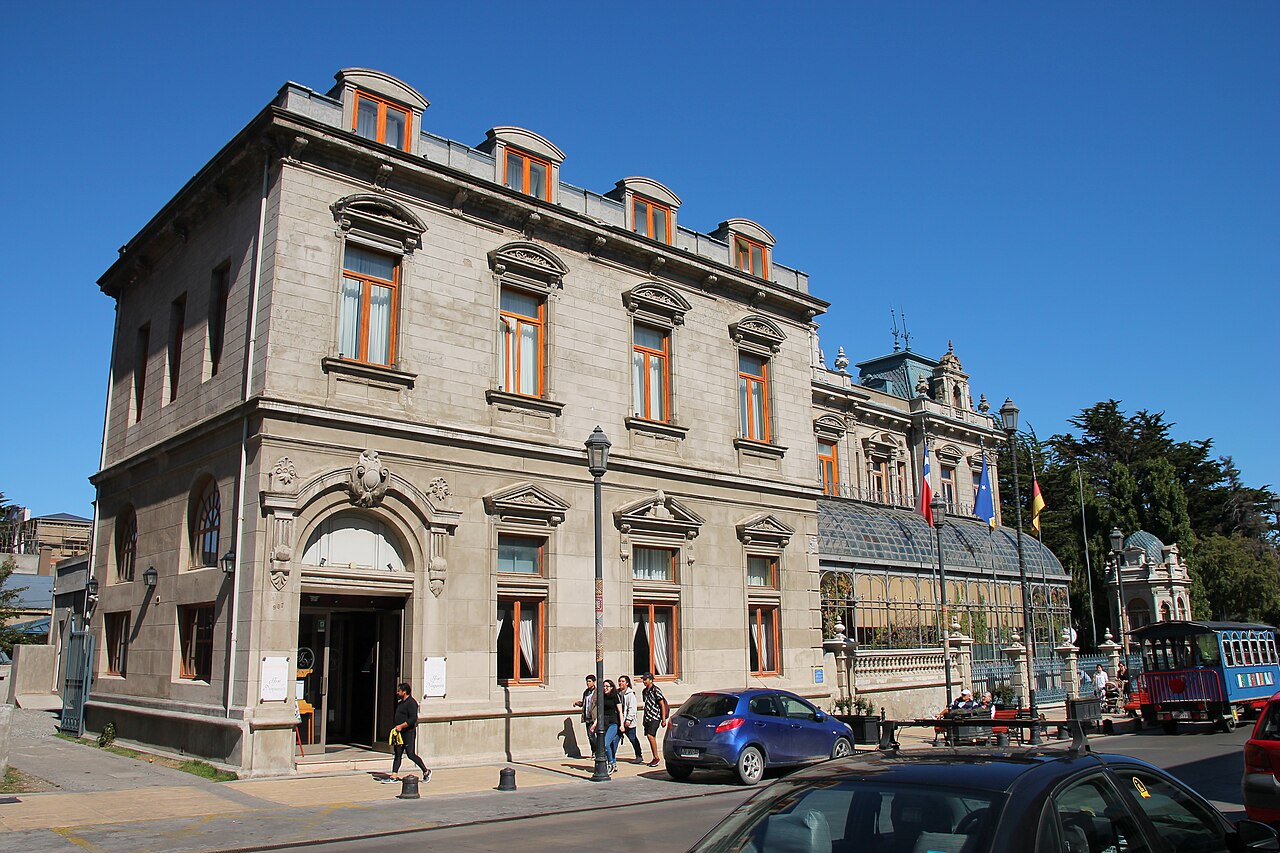
The historic centre is compact and walkable. Plaza Munoz Gamero is the hub, with the Regional Museum, the waterfront and the viewpoint of Cerro de la Cruz within a few minutes. Taxis are inexpensive and useful for the cemetery, the port and the airport. Most excursions collect from hotels, and the airport lies a short drive from the city. A hire car is useful for independent travellers heading south toward Fuerte Bulnes, but long roads, gravel sections and wind demand care.
How many days
Two full days is the minimum to see the city and take one major excursion. Three days lets you add a second trip and a slower city day. Five days gives time for a day trip to Torres del Paine, the king penguins and the fjords, with a spare day for weather. Travellers planning Torres del Paine seriously should consider basing themselves in Puerto Natales instead, which is covered in the Patagonia guide on this site.
Where the headline sights fit
In town, begin with the plaza and the Regional Museum, which explain the wool boom, then walk to the cemetery and the viewpoint. Outside town, the Magdalena Island trip is the signature, the king penguin park is the rarity, Fuerte Bulnes is the history, and the San Isidro lighthouse trek is the wild-edge hike. The Magallanes reserve is the easy forest walk for a short afternoon, and Pali Aike is the quiet, strange day for volcanic scenery and early human history.
Weather, clothing and the wind
The climate is cool in every season, and the wind is a constant. Summer days can be bright and mild, but evenings are cold, and winter brings short days and snow. Pack layers, a windproof and waterproof shell, a warm hat, gloves, sunglasses and sunscreen, since the sun is strong. Footwear should be sturdy and grippy. Expect weather to alter plans, and build in flexibility, especially for boat trips.
Money and practicalities
Chile uses the peso, and cards are widely accepted in the city, though cash is useful for park fees, small shops and tips. Park entry fees are often paid separately from tours, so ask when you book. Carry your passport or identification on long road trips, since checks can occur. Spanish is the main language, and English is common in tourism but not universal, so a few Spanish phrases go a long way. Tipping in restaurants is customary at around ten percent, usually suggested on the bill.
Cruise passengers and short stops
Many visitors arrive on a cruise ship for a day. If that is you, choose one major activity rather than trying to fit everything in. A city tour with the plaza and cemetery, or a half-day at Fuerte Bulnes, is realistic. The penguin boat trip is possible if the schedule allows, but check the return time carefully, since delays can be costly. Avoid long day trips such as Torres del Paine on a port day unless the operator guarantees a return to the ship.
Putting it together
A balanced first visit might begin with an orientation walk and museum, followed by the penguin boat trip on day two, a long day trip on day three and a slow last morning with coffee and a seafood lunch. Add a cooking class or wine tasting for a wet evening, and keep a flexible day for weather. Done this way, Punta Arenas rewards patience: the city is quiet, the scenery is dramatic and the wildlife encounters are among the most memorable in South America.