The Strait of Magellan is one of the best places in South America to see wildlife without a long expedition. Cold, nutrient-rich water feeds seabirds and marine mammals, and the surrounding steppe and forest shelter land animals that are found nowhere else. This guide covers the species to look for, the places to go and the habits that keep animals safe.
Magellanic penguins
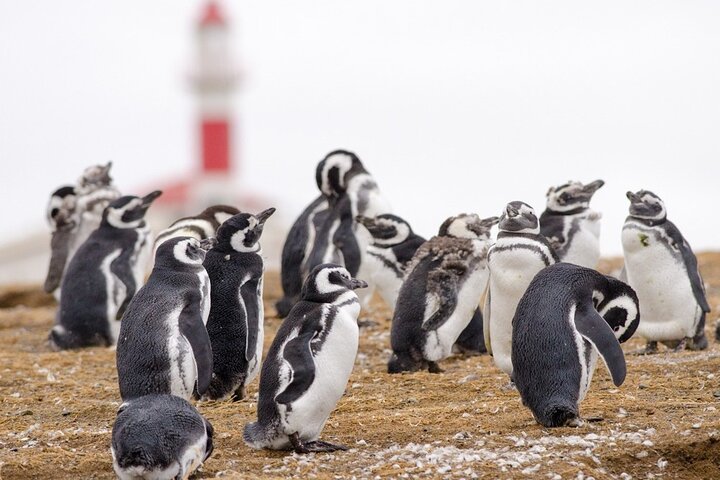
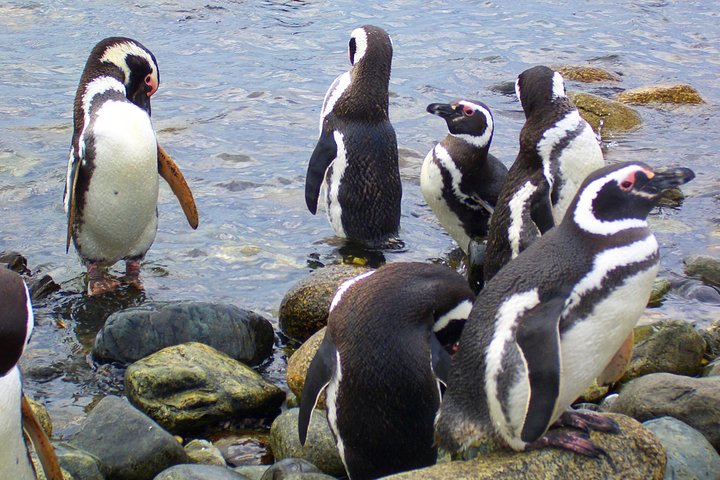
The most famous residents are Magellanic penguins, which nest in burrows on Magdalena Island and other colonies. They arrive in spring, raise chicks through summer and leave in autumn. A guided boat trip to Magdalena Island lets you walk a roped path among the burrows, hear the donkey-like braying and watch chicks peek out. It is the classic wildlife outing from the city.
King penguins
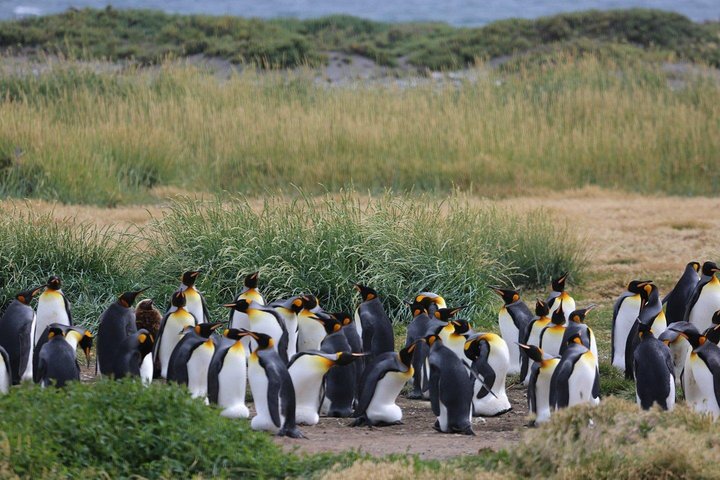
Taller and more colourful, king penguins have a small colony on the shore of Bahia Inutil on Tierra del Fuego. Reaching them takes a ferry crossing and a long road trip, and the birds are watched from a distance. The park is a rare chance to see the species outside the sub-Antarctic islands, and it suits visitors who enjoy long journeys and open landscapes.
Sea lions, cormorants and seabirds
Marta Island, close to Magdalena, is home to sea lions and colonies of cormorants. Boats circle the island so you can watch the animals from the water. Other seabirds you may see include albatrosses, petrels, gulls and kelp geese. Binoculars are a worthwhile accessory.
Whales and dolphins
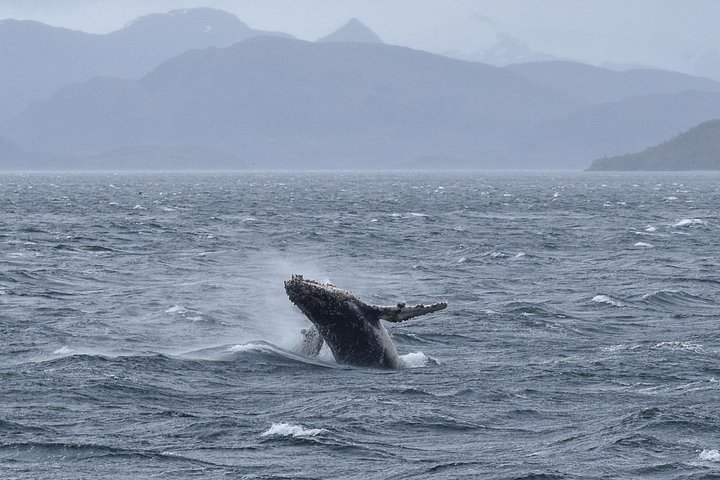
Humpback whales feed in the channels of the Francisco Coloane Marine Park in the warmer months, and a full-day expedition offers a chance to see them. Dolphins, including Peale's and Commerson's, sometimes ride the bow wave of boats. Sightings are never guaranteed, so patience and flexible expectations help.
Land animals
On day trips across the steppe, you will often see guanacos, wild relatives of the llama, grazing in small herds. Rheas, the flightless birds of the pampas, run through the grass, and foxes slip through the scrub. Condors circle on thermals above the hills and parks, and in forests you may hear the drumming of the Magellanic woodpecker. Pali Aike and the Torres del Paine day trip offer many chances to watch these animals.
Watching responsibly
Keep to marked paths, do not approach or touch animals, never feed them and avoid flash photography near nests. Drones are prohibited in most protected areas. Keep noise low, take your rubbish with you and follow the guide's instructions. These rules protect breeding birds and mean that the animals continue to tolerate visitors.
Photography and gear
A zoom lens makes a big difference for king penguins, sea lions and whales. Bring spare batteries, since cold drains them, and protect cameras from spray on boats. Binoculars are a good investment, and a waterproof bag keeps equipment dry. Dress in layers, because waiting for wildlife is cold work.
Seasons at a glance
In general, the warm half of the year is the main wildlife season: penguins ashore and breeding, whales feeding and the longest days for photography. Outside that period, boat trips to the colonies thin out or stop, though land animals and seabirds can still be seen on day trips. Always confirm the season with the operator when you book, since dates shift with weather and with the animals themselves, and ask what the chances are of seeing particular species. Flexible expectations lead to happier trips.
Beyond the headline species
Look for smaller details as well. Steamer ducks paddle noisily along the shore, oystercatchers pick through the tide line, and rock cormorants stand like sentries on the cliffs. In the forests, tiny birds such as the chucao sing from the undergrowth, and on the steppe, hares and armadillos sometimes cross the road. A good guide turns these small encounters into stories about adaptation, migration and the harsh climate, and gives context that makes the big animals more meaningful. Take your time, listen as much as you look and let the landscape set the pace.
Planning your wildlife days
Put the Magdalena Island trip early in your stay, with a spare day for weather. Add the king penguin day if you want something different, and the whale expedition if you are in the right season. Use the city days to rest and refuel. With a little planning, you can see an impressive range of animals in a few days and understand why this region draws naturalists from around the world.